A GNA Feature by Agbaxode Emmanuel
Ave Dakpa (V/R), June 11, GNA – In 1963, a community dam was constructed in Ave Dakpa, in the Akatsi North District of the Volta Region to support domestic and agricultural needs.
Over time, crocodiles settled in the water body, transforming it from a simple lifeline into a sacred site.
Residents embraced the reptiles, weaving them into their cultural fabric rather than fearing them.
Traditional custodians regarded the pond as spiritually significant, protecting the crocodiles through customary practices. This reverence preserved the reptiles and fostered a rare relationship between humans and wildlife.
Heritage and Identity
Community elders recount that crocodiles were never seen as mere animals but as part of the people’s heritage. Among locals, the pond became a shrine, symbolising spirituality, resilience and cultural continuity.
For decades, the crocodiles embodied Ave Dakpa’s identity, representing coexistence between tradition and nature.
Transition to Tourism
The transformation into a tourism destination began after consultations between traditional authorities and the Akatsi North District Assembly. With custodians releasing the land, the Ave Dakpa Crocodile Resort was established as an eco-tourism facility in 2017.
Torgbui Nyamekor-Glakpe V, the Paramount Chief of the area, has championed its revival, viewing it as both a heritage site and a development asset. Regional leaders, including Mr James Gunu, Volta Regional Minister, who played a key role in the establishment of the resort during his tenure as the first District Chief Executive of the district, has reflected on its journey from a community dam to a tourism landmark. Mr Bless Kodjo Katamani, the Akatsi North District Chief Executive, has emphasised its potential to create jobs, stimulate enterprise, and diversify tourism in the Volta Region.
The Human – Crocodile Bond
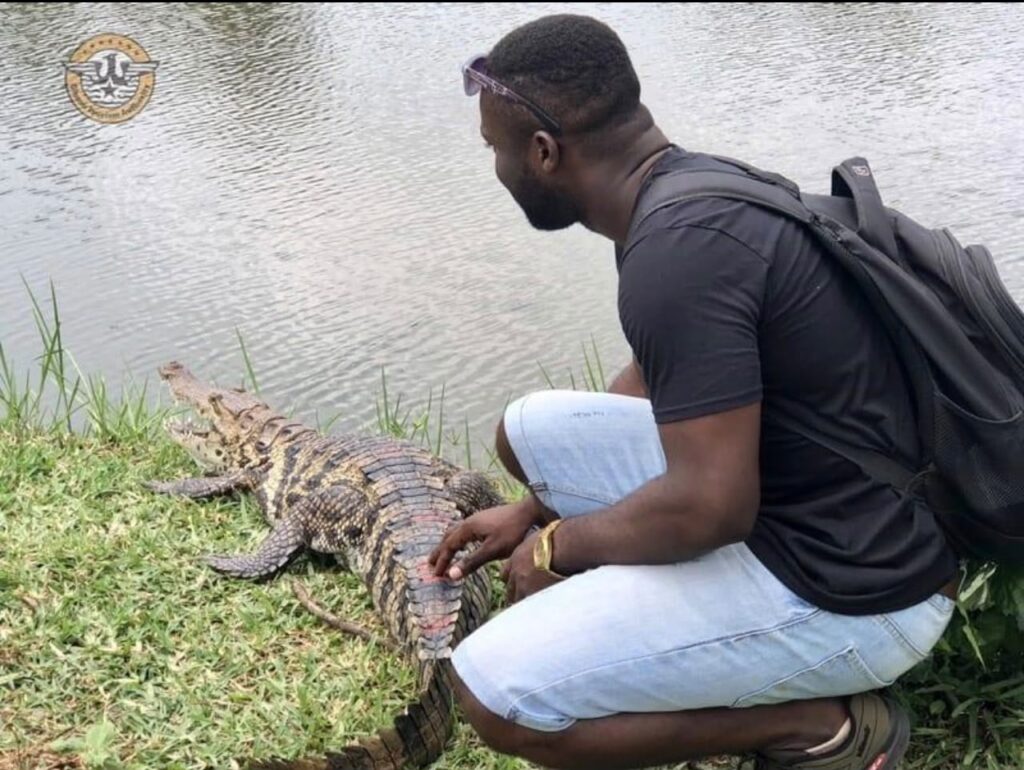
One of the most captivating aspects of the resort is the enduring bond between crocodiles and their handlers. Traditional priest Torgbui Afudzishie Egbor, a community crocodile caller, has interacted with the reptiles for over two decades.
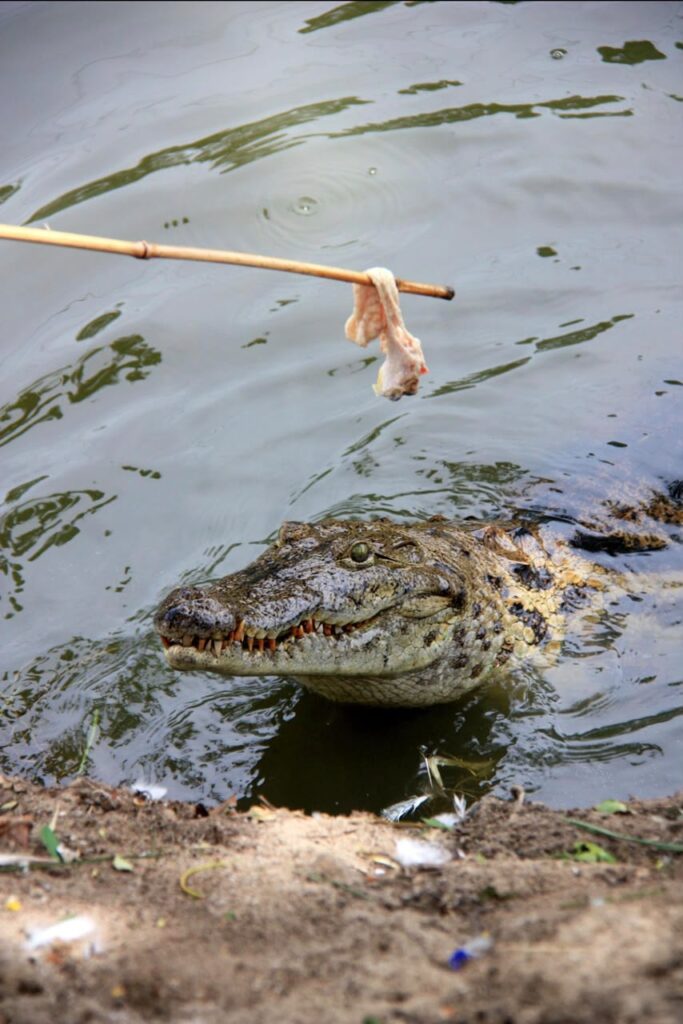
Using whistles and feeding rituals, he summons them from the water — a spectacle that fascinates visitors and demonstrates trust built across generations.
Residents say the crocodiles respond calmly to familiar calls, reinforcing the idea that they are more than wildlife; they are part of the community’s living heritage.
Tourism and Economic Potential
Since its launch, the resort has attracted tourists, students, researchers and adventure seekers. Visitors experience not only the crocodiles but also the traditions and history that preserved them.
Local business operators see opportunities in hospitality, catering, crafts, and transport. Young people view the resort as a source of employment and entrepreneurship. Authorities believe that with proper management, the facility can become a strategic tourism asset for the Volta Region.
Challenges and Safety
The journey has not been without setbacks. In 2020, operations were disrupted after a crocodile attack on a visitor, prompting stricter safety measures. The incident reignited discussions about balancing tourism promotion with conservation and visitor safety.
Subsequent interventions focused on improving protocols, while preserving the cultural and environmental significance of the site.
A Living Connection
For residents, the resort’s significance extends beyond economics. It represents a living connection between the past and the present — a place where history, culture, and nature converge.
From its origins as a dam and shrine in the 1960s to its emergence as a tourism destination, the Ave Dakpa Crocodile Resort tells a story of heritage, resilience, and transformation.
Conclusion
As Ghana continues to diversify its tourism offerings, the resort stands as a reminder that some of the nation’s most remarkable attractions are rooted not only in natural beauty but also in the traditions and beliefs that communities have safeguarded for generations.
Today, traditional authorities, local government officials, and tourism stakeholders remain optimistic that the future of the facility and its potential contribution to community development is ripe.
With its rich history, unique human-wildlife relationship, and serene environment, the resort offers visitors an opportunity to experience a lesser-known aspect of Ghana’s cultural and ecological heritage.
For tourists, researchers, students, and adventure seekers, a visit to Ave Dakpa is more than a journey to see crocodiles.
It is an opportunity to discover a remarkable story of coexistence, conservation, and community pride that has endured for more than six decades.
GNA
Edited by Maxwell Awumah/Benjamin Mensah
Reporter: Agbaxode Emmanuel
Email: [email protected]