By Benjamin Adamafio Commey
Accra, June 27, GNA – Forty basic schools from 11 educational circuits in the Greater Accra Region will participate in the sixth edition of the Nora Evangelina Quaye (NEKQ) GaDangme Cultural Quiz competition, an initiative aimed at promoting the Ga Language and preserving the cultural heritage of the GaDangme people.
The competition, officially launched in Accra on Friday, will commence on October 2.
Participating schools will receive study materials ahead of the preliminary stage.
The contest will see the best 20 schools progress to the quarter-finals, after which 10 schools will qualify for the semi-finals before the top five compete in the grand finale.
All finalist schools will receive awards and certificates. The winning school will receive GH¢3,500, the first runner-up GH¢3,000, the second runner-up GH¢2,500, the fourth-placed school GH¢2,000, and the fifth-placed school GH¢1,500.
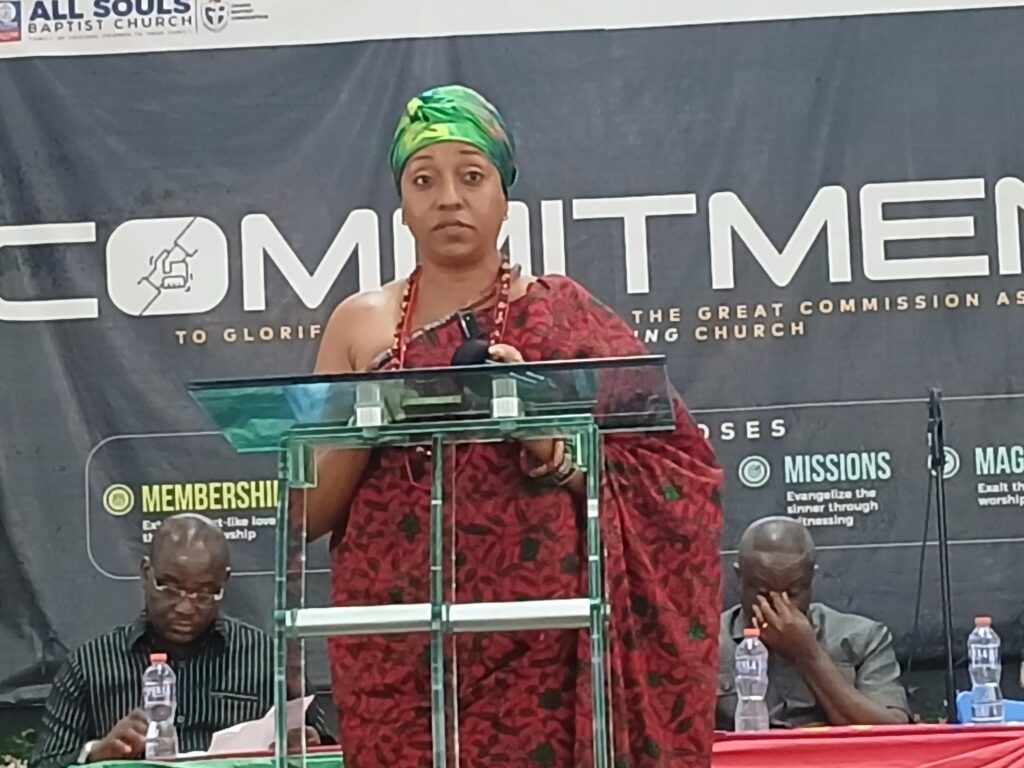
Speaking at the launch, Madam Nora Evangelina Quaye, the Founder, NEKQ GaDangme Restoration Foundation, said the initiative was established in 2021 in response to the gradual decline in the use of the Ga Language among young people.
She said the competition, now in its sixth year, had grown from 18 participating schools at its inception to 40 schools from 11 educational circuits, encouraging pupils to develop interest in the Ga Language, culture and reading.
Madam Quaye, however, said inadequate sponsorship continued to threaten the sustainability of the programme despite its steady growth.
“Like everybody may know, this kind of thing involves money. And if you don’t get sponsors, it becomes difficult. But I’m trying to manage. I’ve been going for loans and things, but it’s not helping,” she said.
“I’ve even sent more than 400 letters to corporate organisations, institutions and private organisations, but you are not getting the feedback, and it’s becoming difficult.”
She appealed to corporate bodies, philanthropists and the public to support the foundation to sustain the competition and expand its educational support for brilliant but underprivileged children.
Madam Quaye also urged the Ghana Education Service to strengthen the teaching and learning of Ga in schools across the Greater Accra Region, stressing that preserving indigenous languages was essential to safeguarding Ghana’s cultural identity.
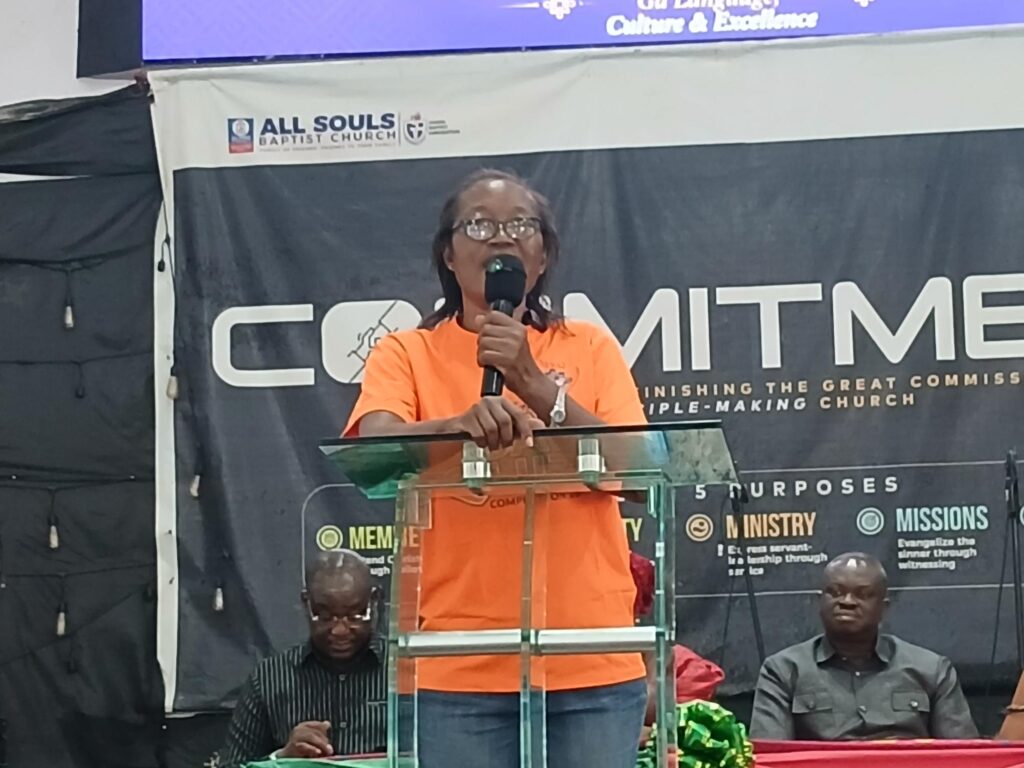
Naa Koole Tsuikpakpa I, Asere Noryaa Manye and guest of honour, described the competition as a renewed commitment to preserving, promoting and celebrating the Ga Language through children, saying language remained the foundation of a people’s history, traditions, values and identity.
She lamented the declining use of the Ga Language and stressed the need for initiatives that would instil a sense of pride in the younger generation.
Expressing confidence in the initiative, she said children who spoke the Ga Language with pride and confidence would preserve the legacy of their forebears and pass it on to future generations.
“The Children’s Ga Language Quiz has been created to inspire young people to learn, appreciate and take pride in their mother tongue,” she said, adding that the initiative would also promote critical thinking, teamwork and a deeper understanding of Ga culture.
Naa Tsuikpakpa appealed to individuals, families, businesses and corporate organisations to provide financial support to sustain the initiative.
“Every contribution is an investment in our children and in the future of the Ga language,” she said.
She urged stakeholders to recognise that preserving indigenous languages was a shared responsibility, warning that failure to intentionally teach and promote the Ga language could result in the loss of an important aspect of the people’s cultural identity.
Mrs Esther Quarcoo, Quiz Mistress for the competition, encouraged parents to consciously speak the Ga Language with their children at home.
While acknowledging the importance of learning other languages, she said children should not lose the opportunity to communicate in their mother tongue.
“If we don’t speak a language, it gets lost,” she said, adding that preserving the language required both teaching and its regular use in everyday conversations.
Participating schools are the Sunny International School, All Nation Hillside Academy, Osu Presbyterian Girls Basic School, Ga-Mashie SDA School, King David School, Richard Akwei Memorial Basic School, Association Community Model Basic School, Apostolic Church Academy, Mamprobi Methodist Basic School and South La Estate ‘2’ JHS.
Others are Home School JHS, Osu Presbyterian Preparatory School and JHS (OPPS), Osu Salem Presbyterian Boys JHS, Rangoon Camp A JHS, Osu Salem Road Basic School, Osu Salem 1 Basic School, Osu Ringway Estate Basic School, Queen Elizabeth II Education Foundation, Osu St Peter’s RC Basic School and La Wireless ‘2’ Primary/JHS.
The remaining schools include Leo Memorial, Bubiashie, Kaneshie North 3 and 4 Basic School, Bubiashie ‘1’ Basic School, Happy Days Academy, Osu Manhean Basic School, Anglican ‘1’ JHS La, Anglican ‘2’ JHS La, The Coming King, St. Joseph’s R/C Basic School and MOH Basic School.
The rest are St Michael and All Angels Anglican Basic School, St Mary’s RC Girls Basic, Rev. F. V. Nanka Bruce JHS, Great Kwame Nkrumah Basic (Shalom Shalom), Alko International School, Osofo Owuo Memorial School, God’s Gift International School, Accra Royal JHS, New Order Preparatory and JHS, and New Hope School.
GNA
Edited by Agnes Boye-Doe
Reporter: Benjamin Adamafio Commey