A GNA Feature by Frank Kwame Abbor
Ho, June 9, GNA – Hair has always been more than a physical feature. Across generations and cultures, it has served as a powerful symbol of identity, spirituality, strength, culture, and self-expression.
Among the many hairstyles embraced around the world, dreadlocks—popularly known as locks, Rasta, locs, or locally as Ada—remain one of the most culturally significant and symbolic. Far from being a mere fashion statement, dreadlocks embody history, resilience, pride, beauty and authenticity.
Hair Beyond Aesthetics
Throughout history, hair has communicated social status, cultural affiliation, spiritual beliefs, and personal identity. In many African societies, hairstyles have long served as visual markers of heritage and belonging.
Dreadlocks carry deep cultural and spiritual significance across the continent. Their various names reflect the diversity of African traditions and the enduring connection between hair and identity.
Among the Akan of Ghana, locks are known as Mpesempese. In Nigeria, the Yoruba call them Dada, while among the Igbo they are referred to as Ezenwa or Elena. Senegal’s Wolof people know them as Ndiagne or Ndjan, while in Zimbabwe’s Shona language they are called Mhotsi. Among the Eʋe people, locks are descriptively referred to as Fŭ kpewo, meaning “knotted” or “locked hair.”
Today, many wearers see dreadlocks as a celebration of natural beauty and a declaration of confidence in a world that has often imposed narrow standards of appearance.
Roots in Culture and History
Scholars and cultural commentators have long highlighted the significance of hair in shaping identity.
Author and activist Bell Hooks once observed that “hair is such a crucial part of our identity,” while Nigerian writer Chimamanda Ngozi Adichie has noted that “race and hair are intricately intertwined,” underscoring the role natural African hair continues to play in conversations about dignity, acceptance and self-worth.
Historically, dreadlocks symbolised wisdom, spirituality, strength and resistance. Among the Akan, mpɛsɛmpɛsɛ held spiritual significance and was associated with traditional roles and responsibilities.
Colonial Influence and Stigma
The perception of dreadlocks changed dramatically during the colonial period.
European grooming standards were widely imposed, and African hairstyles that did not conform to Western ideals were often labelled unkempt or inappropriate. As a result, dreadlocks became associated with rebellion, marginalisation and social exclusion rather than heritage and spirituality.
The stigma persisted long after independence, influencing attitudes in schools, workplaces and public institutions.
Rastafarianism and Cultural Reawakening
The rise of Rastafarianism in the 1970s helped reshape perceptions of dreadlocks in Ghana and beyond.
Influenced by reggae music and the teachings of Marcus Garvey, dreadlocks became symbols of resistance against oppression, self-determination and African pride.
Young people in Accra, Kumasi and other urban centres embraced the style, blending Rastafarian ideals with local cultural traditions to create a uniquely Ghanaian expression of identity.
Faith and Spiritual Meaning
For many people, dreadlocks carry profound spiritual significance.
Biblical references often cited by adherents include Numbers 6:5, which states: “All the days of his vow of separation, no razor shall touch his head… He shall let the locks of hair of his head grow long.” Similar references are found in 1 Samuel 1:11 and Judges 16:17.
In Ghana, individuals such as Mr Maxwell Kewornu, popularly known as Raslala, and Atsu Dordor, also known as Atutec, describe their locks as symbols of devotion and commitment to God.
For Rastafarians, locks represent priesthood, resistance to oppression and a sacred covenant with the Creator.
Identity, Rights and Public Debate
Dreadlocks have increasingly featured in national conversations about identity, religious freedom, and cultural expression.
One of the most prominent examples was the Achimota School case, in which Rastafarian students were initially denied admission because of their locks. The controversy sparked widespread debate about constitutional rights, discrimination and acceptance of cultural diversity.
The case became a defining moment in Ghana’s discussion of personal freedoms and respect for cultural identity.
Fashion, Confidence and Personal Expression
Beyond their cultural and spiritual meanings, dreadlocks have become an important form of personal expression.
For some, the attraction lies in convenience and healthy hair maintenance. Beauty Nyadzokor says she prefers locks because they are easier to manage and help maintain healthy hair.
Akpene Kwashiga values their versatility, noting that locks can be creatively styled using braids, accessories and extensions.
For Gideon, popularly known as “One Love,” dreadlocks symbolise confidence and individuality, reflecting the influence of popular culture and celebrity lifestyles.
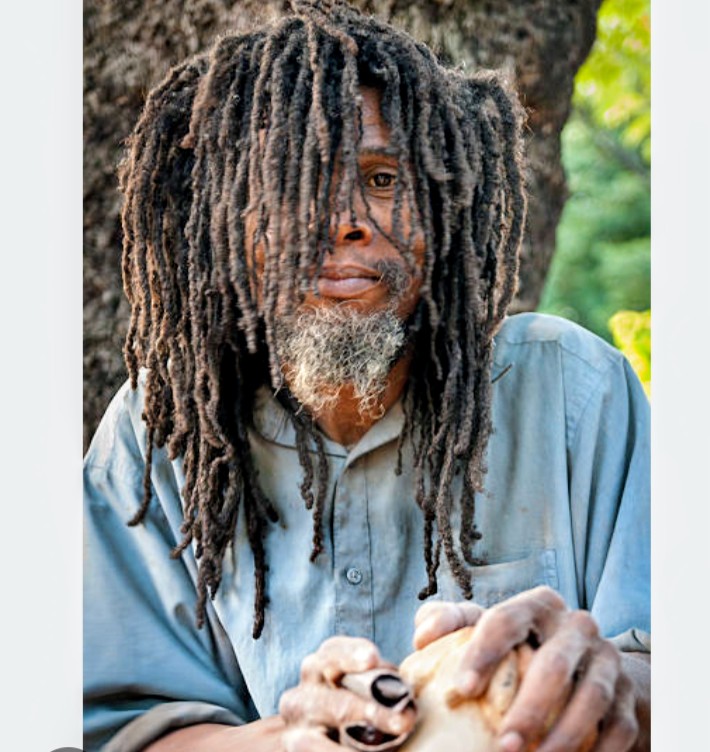
Changing Attitudes in Modern Society
Today, dreadlocks are increasingly celebrated as part of the global natural hair movement.
Musicians, fashion designers, influencers and professionals proudly wear locs, challenging Eurocentric beauty standards and embracing African heritage. Dreadlocks are now visible on fashion runways, in classrooms, offices and boardrooms, reflecting growing acceptance.
Despite this progress, many people with locks continue to face discrimination and stereotyping. Perceptions that associate dreadlocks with irresponsibility or deviance remain in some institutions and communities.
However, advocates say education, social media, and increased cultural awareness are gradually helping to change these attitudes.
More Than a Hairstyle
Dreadlocks are far more than hairstyles. They represent history, spirituality, culture, confidence, resilience and identity.
Across Ghana and the African continent, they continue to serve as symbols of heritage and self-expression, reminding society that beauty exists in many forms.
As attitudes evolve and cultural diversity gains wider acceptance, dreadlocks remain a powerful expression of pride, authenticity and the enduring connection between people and their roots.
Conclusion
Dreadlocks are more than a hairstyle; they are a powerful expression of history, spirituality, culture, and identity. For many wearers, they symbolize pride, confidence, resilience, and a deep connection to heritage. As attitudes continue to evolve in Ghana and across the world, dreadlocks remain a visible reminder of the importance of embracing diversity, celebrating natural beauty and preserving cultural traditions for future generations.
GNA
Edited by: Maxwell Awumah/Audrey Dekalu