A GNA feature by Anthony Adongo Apubeo
Nyariga (U/E), May 28, GNA – Every morning, Ms Adombila Awelgya, a resident of Nyariga in the Bongo District, walks behind her house to harvest fresh vegetables from improvised containers made from old sachet water bags and broken buckets for her family’s meals.
Just a few years ago, the mother of four struggled to afford vegetables such as tomatoes, alefu, and pepper, often reducing the quantity used in cooking to save money for her children’s school fees.
Today, through soilless vegetable farming, she not only feeds her family but also earns extra income from the sale of vegetables.
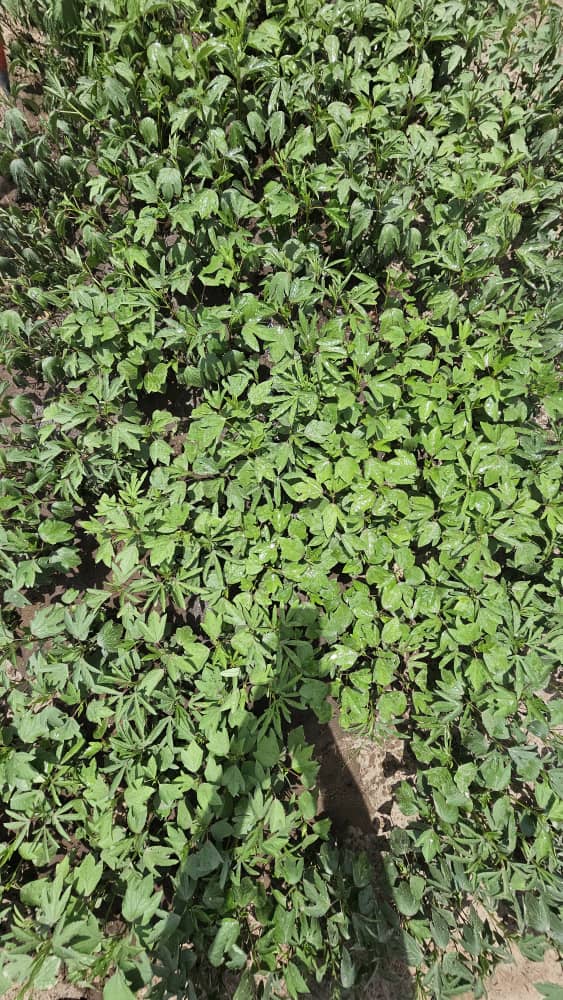
She grows tomatoes, alefu, peppers, and garden eggs just a few steps away from her kitchen without requiring vast tracts of land.
“We no longer depend entirely on our husbands to buy vegetables and cooking ingredients. I even sell some of the vegetables to support my children,” she said with a smile.
For Ms Awelgya and many women in the Nyariga community, the simple act of growing vegetables in sacks, buckets, wooden boxes, and old water containers has become a reliable source of income and nutritional security.
Nutrition and the rising burden of diseases
Good nutrition remains central to healthy living, proper growth, and human development.
Consuming vegetables and fruits in adequate quantities has been proven to help prevent non-communicable diseases (NCDs) such as heart disease, obesity, high blood pressure, diabetes, cancer, and gastrointestinal infections.
The World Bank reported in 2024 that by 2030, nearly 46 per cent of all global deaths across all age groups would be caused by NCDs, with 41 per cent of deaths occurring among people aged between 15 and 59 years.
Similarly, in September 2024, the World Health Organisation (WHO) and Ghana’s Ministry of Health identified unhealthy diets, characterised by low intake of fruits and vegetables and high consumption of processed foods, as key contributors to the growing burden of NCDs in the country.
Vegetables: A hub of micronutrients
For Mr Paul Akapanga, a Nutritionist and Health Tutor at the Nalerigu Nursing Training College, the solution may not necessarily lie in expensive hospitals or imported medicines, but in something as simple as vegetables grown in empty containers at home.
Mr Akapanga explained that vegetables are rich sources of micronutrients essential for healthy living.
“Vegetables contain vitamins, minerals, and trace elements essential for life. Whether leafy vegetables like alefu, beto, bean leaves and okra leaves, or fruit vegetables such as tomatoes, okra, garden eggs and peppers, they all contribute significantly to healthy living,” he explained.
According to him, vegetables contain essential nutrients such as calcium, iron, phosphorus, vitamin C, and fibre, all of which support blood formation, strengthen the immune system, enhance body functioning, and help prevent diseases.
“Many people think calcium is only for bones, but calcium also helps in transmitting electrical signals in the body and supports the movement of white blood cells,” he said.
Mr Akapanga further explained that iron from vegetables plays a major role in blood formation, but the body requires vitamin C and vitamin B12 to absorb and convert iron into blood.
“Without vitamin C, your body cannot absorb iron from vegetables, and without vitamin B12, the iron cannot be converted into blood,” he stated.
He also stressed that vegetables contain large amounts of fibre, which help trap excess fats, toxins, and carbohydrates in the digestive system and prevent them from entering the bloodstream.
“The fibre absorbs excess fats and toxins and allows them to pass out through faeces instead of entering the bloodstream. This reduces the risk of hypertension, diabetes, cardiovascular diseases, kidney stones, and kidney failure,” he added.
Research findings
According to WHO recommendations, a person is required to consume at least 400 grammes of fruits and vegetables daily.
Yet despite the importance of nutritious diets, many Ghanaian families continue to struggle to access vegetables regularly because of rising food prices, shrinking farmlands, and changing lifestyles.
A 2021 study by the Multidisciplinary Digital Publishing Institute on fruit and vegetable consumption in African countries revealed that Ghana ranked lowest in West Africa in terms of fruit and vegetable consumption among adolescents.
The study showed that only 27.1 per cent of adolescents in Ghana consumed the recommended daily amount of fruits and vegetables, placing the country last among five selected countries.
The research further revealed that less than five per cent of adult Ghanaians consumed adequate amounts of fruits and vegetables.
The report linked the low consumption rates to poverty, high food prices, and poor access to fruits and vegetables, despite widespread awareness of their nutritional benefits.
Soilless vegetable production
To address the situation, experts believe Ghana must prioritise vegetable production and make vegetables affordable and accessible to households.
One promising solution is soilless vegetable production, introduced to smallholder farmers in Nyariga in 2018 through a project implemented by the Department of Crop Sciences, School of Agriculture, University of Ghana, with support from the Skills Development Fund (SDF).
Soilless vegetable production is a technology that enables hygienic and high-volume vegetable production without relying on fertile farmland.
The system uses locally available materials such as sawdust, rice husk, coco peat, cow dung, and poultry manure, which retain water and release nutrients needed for plant growth.
The process involves preparing substrates that provide nutrients for vegetables.
In one method, sawdust, rice husk, and cow dung or poultry droppings are mixed with water and compost and left in the shade for 12 weeks.
Alternatively, coco peat and cow dung or poultry manure can be mixed with water and used immediately after preparation.
Once the substrates are ready, they are filled into nursery boxes, wooden boxes, buckets, plastic planting troughs, plastic bags, or other containers, after which seeds are planted directly or seedlings transplanted into them.
The method is less labour-intensive, environmentally friendly, and suitable for large-scale vegetable production, even in cemented backyards, making it ideal for both rural and peri-urban communities.
Vegetables produced through the soilless system are less exposed to soil-borne diseases such as fungi and nematodes and often produce higher yields than traditional farming methods.
According to the Food and Agriculture Organisation (FAO), soilless systems can produce between 20 and 25 per cent more vegetables because roots are confined to smaller spaces, allowing more plants to grow per square metre.
Transforming livelihoods
Like Ms Awelgya, Reverend John Akaribo, another smallholder farmer who has practised the technology since its introduction in the community, said the innovation had transformed his family’s feeding habits and improved household income.
On his demonstration farm, vegetables including tomatoes, lettuce, cabbage, onions, carrots, garden eggs, sweet peppers, and chilies flourish in boxes and improvised containers.
“I harvest vegetables every 30 days after transplanting them into the boxes. Since I started this system, my wife no longer buys vegetables from the market. I also sell some to chop bars to earn income, which is helping to provide basic needs for the family,” he said.
Ms Akolpoka Atindaana, another beneficiary, said the technology particularly suited women because many communities still denied women access to land for farming.
She encouraged women in other communities to adopt the innovation to improve household nutrition and promote healthy growth among children.
Need for scale-up
Achieving nutritional security is critical to attaining the Sustainable Development Goals (SDGs), particularly Goals One, Two, and Three, which focus on ending poverty, achieving zero hunger, and ensuring good health and well-being.
As urbanisation continues to reduce arable land and climate change threatens traditional farming systems through erratic rainfall patterns and prolonged droughts, experts say it has become imperative for households to adopt innovative but simple methods of food production, especially vegetable cultivation.
In 2025, the Government launched its flagship “Vegetable Development Project (Yeredua)” to transform the vegetable sub-sector, reduce dependence on imports, and strengthen food security.
Currently, Ghana spends between GH¢650 million and GH¢760 million annually on tomato imports alone, in addition to more than US$400 million on processed tomato paste and concentrate imports.
Experts believe integrating soilless vegetable production into programmes such as Yeredua and the Feed Ghana Programme could encourage households to produce vegetables at home, improve nutrition security, create employment opportunities, reduce poverty, increase vegetable consumption, and support government efforts to cut imports.
GNA
Edited by Caesar Abagali/Audrey Dekalu
Reporter: Anthony Adongo Apubeo
Email: [email protected]