By Anthony Adongo Apubeo
Kodorogo (U/E), May 21, GNA – The Kunkua Renaissance Development Centre (KURADEC), a community-based organisation, has trained more than 90 persons affected by skin Neglected Tropical Diseases (NTDs) and their caregivers in liquid soap production at Zorko-Kodorogo in the Bongo District of the Upper East Region.
The livelihood empowerment initiative aims to equip beneficiaries with practical income-generating skills to improve their living conditions, reduce dependency, and enhance access to hygiene materials for improved personal hygiene.
The training forms part of Phase II of the “Integrated Actions Towards Combating Skin NTDs in Ghana” project, being implemented by the Development Advocacy and Research Centre (DRAC) with funding support from the Anesvad Foundation of Spain.
The project builds on the successes of Phase I and seeks to strengthen advocacy, reduce stigma, and improve healthcare delivery and livelihoods for affected persons and their communities.
It is currently being implemented in 40 communities across the Bongo, Talensi, Nabdam and Binduri districts, where prevalence rates and vulnerabilities to skin NTDs remain high.
Speaking on the sidelines of the training, Mr Donatus Awine Adua, Coordinator of KURADEC, said the initiative was part of efforts to economically empower affected persons while promoting improved personal hygiene.
He noted that many affected individuals and their caregivers faced economic hardship and social stigma, which made it difficult for them to meet their daily needs.
“Our main aim is to support the affected persons and their caregivers with livelihood skills so that they can generate income to support themselves,” he said.
Mr Adua indicated that the organisation organised a similar training in solid soap production for about 76 participants in the previous year, and the current training was also intended to expand their economic opportunities.
He said beneficiaries would use part of the soap for personal hygiene while selling the remainder to earn income.
“At the end of the day, if they have the skills, they can engage in self-employment and generate income to support themselves,” he added.
Beyond soap production, Mr Adua said the project had also introduced basket weaving and other livelihood support interventions in some communities within the district.
He indicated that KURADEC was providing beneficiaries with revolving funds to enable them reinvest in their businesses and attain financial independence.
Mr Adua, however, identified stigma and discrimination as major challenges affecting persons living with NTDs, particularly in rural communities.
“Many of them in the rural areas are still being stigmatised, and some even find it difficult to participate in community activities and meetings,” he said.
He also cited poverty, inadequate funding, and limited support for volunteers and implementing partners as constraints to expanding the project to more communities.
Mr Adua appealed to government and development partners to increase funding support for NTD-related interventions, including livelihood empowerment, home visits, awareness creation, and healthcare delivery.
He further called for intensified public education through radio programmes and community engagement to raise awareness and reduce stigma associated with NTDs.
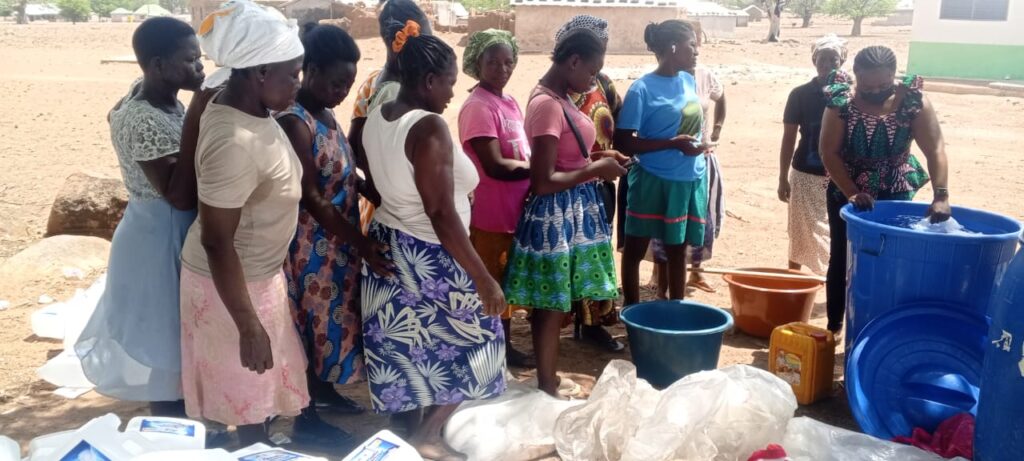
Ms Sandra Ayingura Sofo, facilitator of the training, urged beneficiaries to take the programme seriously, noting that it offered a viable alternative source of income.
Some beneficiaries commended the intervention, saying it would strengthen their resilience and help reduce poverty among affected persons.
NTDs are a group of diseases, including elephantiasis, leprosy, yaws and Buruli ulcer, which are prevalent in tropical regions and disproportionately affect the poorest and most vulnerable populations.
GNA
Edited by Caesar Abagali/Lydia Kukua Asamoah
Reporter: Anthony Adongo Apubeo