By Michael Foli Jackidy
Ho, May 14, GNA – Mr Kenneth Kponor, Volta Regional Director of the National Commission for Civic Education (NCCE), has called for a national moral reawakening to help combat corruption, restore integrity and strengthen the rule of law in Ghana.
He said the country was experiencing a worrying decline in moral values and ethical standards, which posed a serious threat to democracy, justice, and national development.
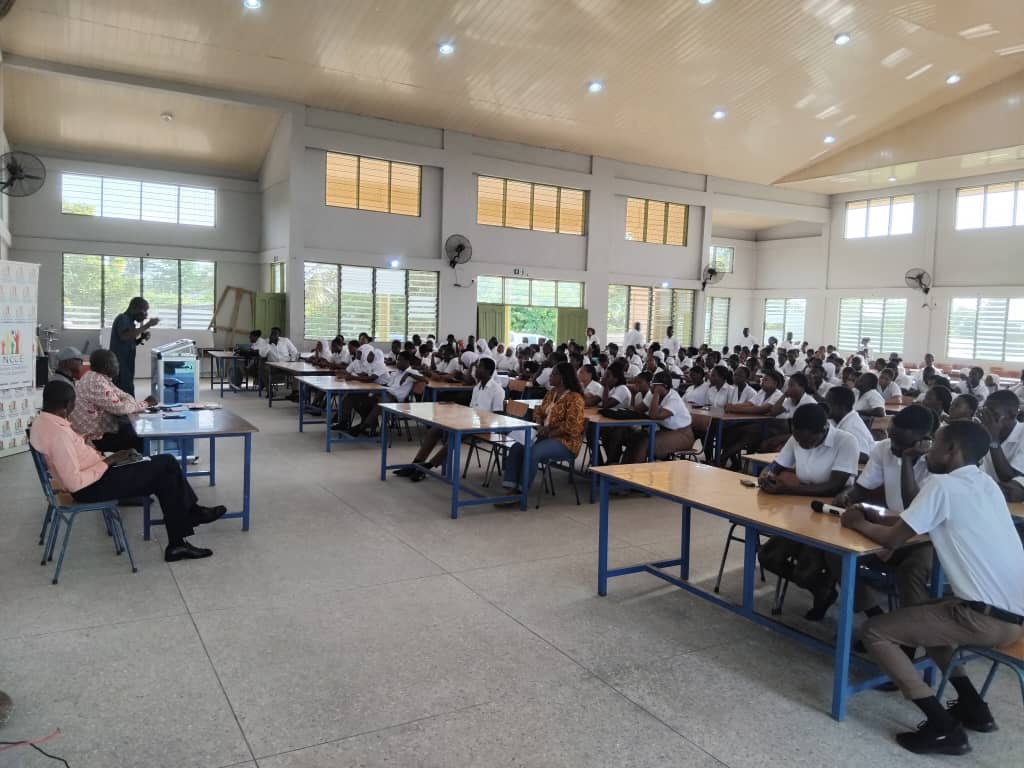
Mr Kponor made the call during a Symposium for Civic Education Clubs and Tertiary Institutions on Rule of Law and Anti-Corruption organised by the NCCE in collaboration with the German Development Cooperation (GIZ) at the School of Hygiene in Ho on Wednesday.
The symposium formed part of a nationwide civic education campaign aimed at promoting integrity, accountability and responsible citizenship, particularly among the youth.
Addressing students, Mr Kponor described the programme as a national wake-up call and stressed the need for citizens to reflect on the growing culture of corruption and moral decay in society.
“This symposium is about protecting democracy, justice and national development. Ghana is gradually facing a decline in moral values and integrity, and we must all rise to reverse the trend,” he said.
He observed that society was increasingly placing excessive value on wealth and luxurious lifestyles without questioning the legitimacy of how such wealth was acquired.
According to him, traditional values such as honesty, hard work, sacrifice, communal responsibility and patriotism were steadily weakening, while many young people were under pressure to become rich quickly by any means possible.
Mr Kponor expressed concern over the growing acceptance of internet fraud, popularly known as “sakawa,” ritual money practices and other dishonest means of acquiring wealth.
“Some young people now see fraud as smartness and a shortcut to influence, fame and social acceptance,” he said.
He further criticised some self-acclaimed religious leaders whom he accused of promoting false prosperity teachings and exploiting vulnerable people through deceptive practices.
Mr Kponor noted that societal respect was increasingly being measured by material wealth rather than character, honesty, and contribution to national development.
The Regional Director also raised concerns about the impact of corruption on traditional and religious institutions, saying reports of monetary demands before assistance or access to services were undermining public confidence and trust.
He said institutions established to uphold morality and discipline must lead by example and demonstrate integrity in their operations.
According to him, the growing moral decline was weakening public trust in state institutions and creating the perception that justice could be influenced by money and power.
He explained that corruption was no longer only a governance challenge but had evolved into a broader cultural and social problem that required collective national action.
Mr Kponor commended the partnership between the NCCE and GIZ and described the collaboration as timely in helping to promote civic consciousness and anti-corruption education.
He stressed that the fight against corruption must go beyond laws, arrests and punishments and focus on rebuilding national conscience, integrity and ethical leadership.
As part of efforts to tackle corruption and promote accountability, Mr Kponor outlined a number of interventions planned by the NCCE.
These include public education on the Whistleblower Act, social media campaigns on the dangers of corruption, formation of community Social Auditing Committees and public sensitisation on conflict of interest and influence peddling.
The Commission also intends to deepen engagements with civic clubs in schools and youth groups to encourage responsible citizenship and accountability.
He called on citizens to contribute to national transformation through education, discipline, enforcement of laws and leading by good example.
Mr Eric Oduro-Danso, Director of the Commission on Human Rights and Administrative Justice (CHRAJ) in Ho, delivered a presentation on conflict of interest in decision-making and urged students to uphold fairness and professionalism in public service.
Rev Israel Akrobortu, Director at the Department of Children, also spoke on ethical leadership and encouraged the students to become responsible leaders capable of influencing society positively.
Mr Kofi Agbenyo, Administrator of the School of Hygiene, thanked the NCCE for organising the programme and urged students to interact, learn from one another, and uphold the ethics and principles of their future professions.
The NCCE is holding similar rule of law and anti-corruption dialogues in South Tongu, Ketu South, North Dayi and Hohoe for Civic Education Clubs as part of the nationwide campaign.
GNA
Edited By: Maxwell Awumah/Audrey Dekalu