A GNA feature by Simon Asare
Accra, May 14, GNA – Emmanuel Clottey has spent much of his young life trying to survive in a world of storms and tragedies. At 26, he has taken menial jobs, relied on friends for support and, at times, struggled simply to make ends meet.
But behind his daily battles lies a deeper wound: the loss of a father he never truly knew, taken away by football in one of Ghana’s darkest sporting days.
Clottey lost his father, Atu Quaye Clottey, in the May 9, 2001, Accra Sports Stadium disaster, the deadliest stadium tragedy on the African continent, which claimed 127 lives.
Emmanuel was only a year old at the time.
“I believe if my father was alive, things would have been different,” Emmanuel said quietly. “Anytime I remember that his love for football is what took him away, I become restless.”
For years, the tragedy existed in Emmanuel’s life only as silence. It was not until he was about 10 years old that the truth found him, not through his family, but through friends during a football match in his community.
“They were talking about the stadium disaster and then someone mentioned my father’s name,” he recalled. “I didn’t understand everything, but I knew something was wrong.”
He returned home in tears and confronted his mother. That was the day the story he had been shielded from was finally revealed.
“I remember my mother showing me a picture of my dad and telling me he was a kind, caring and hardworking man,” Emmanuel said. “She said he loved his family deeply.”
A Day That Changed Ghanaian Football Forever
On May 9, 2001, Ghana’s football rivals Accra Hearts of Oak and Asante Kotoko were locked in a tense league match at the Accra Sports Stadium.
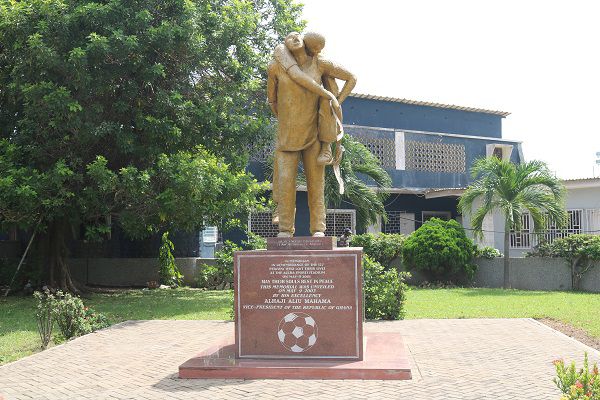
After a goal gave Hearts of Oak a 2-1 lead late in the game, crowd trouble erupted, leading police to fire tear gas into the stands. The action was later termed the principal cause of the disaster by the Sam Okudzeto Commission of Inquiry.
There was panic as fans tried to find their way out of the stadium. Overcrowding and poor crowd control and a sealed gate, turned the stadium into a death trap.
By the end of the night, 127 football fans had lost their lives, including Emmanuel’s father, who had gone to the stadium simply to watch the game he loved but never came back home.
The disaster exposed deep flaws in stadium safety, crowd management and emergency response, leaving scars and phantoms that still linger across Ghanaian football.
A Dream Born Out of Pain
From the moment he learnt the truth, Emmanuel said he carried pain but found purpose in pursuing a career in football, especially after his inability enter university after completing secondary school.
“After knowing about my father’s death, I decided to honour my father by becoming one of the best footballers in the country. I believed that would make him proud in his grave,” Emmanuel said.
But for many young talented footballers in Ghana, pursuing a career in football can be an ordeal, with few making it professionally.
Emmanuel excelled at the game during his youth, earning recognition as a promising talent. He played colts football for Mighty Victory and attended several trials with lower-division clubs.
“But things didn’t go well,” he said. “Sometimes it’s money, sometimes connections, sometimes just bad luck.”
As opportunities faded, Emmanuel said he turned to boxing, sparring with professional fighters like John Laryea, popularly known as “Expensive Boxer,” who encouraged him to pursue a career in the ring.
Once again, circumstances stood in his way and Emmanuel could not realise his dream in the ring.
For Emmanuel Clottey, remembrance is personal. Football gave him joy, dreams and belonging but it also took away his father.
“I still love the game,” he said. “But every time I enter the Accra Sports Stadium, I remember what it cost my family.”
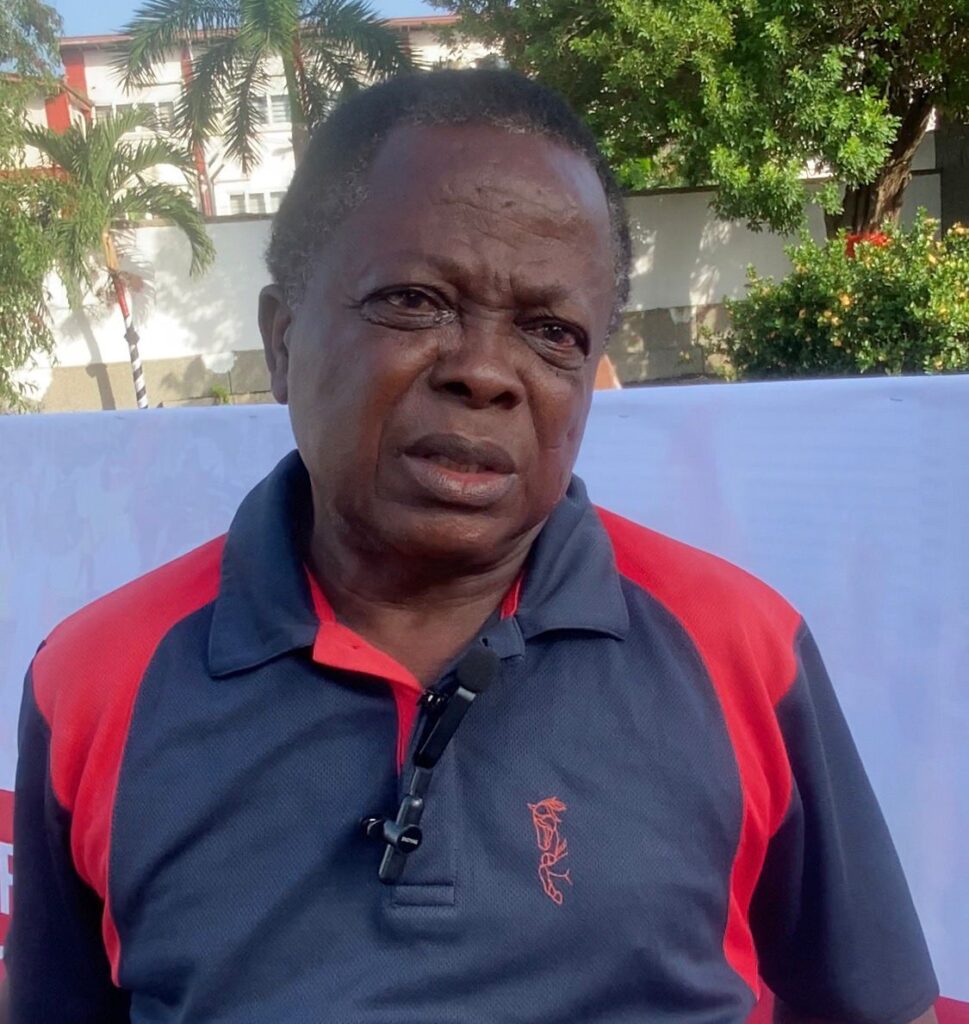
Today, Emmanuel says he has largely given up on a professional sports career. For years, he has attempted to enlist in Ghana’s security services, but without success.
“I’m still trying to find stability. Life has not been easy. I have been trying to enroll in the security service since 2019 but have not been successful,” he said.
A Survivor’s Memory
Sixty-year-old Mr Raphael Okoo Parker is one of the lucky ones. A passionate Hearts of Oak supporter, he survived the May 9 disaster and still remembers the day vividly.
“It was a Wednesday, and it was raining,” he recalled in an interview with the Ghana News Agency. “I was confident Hearts would beat Kotoko. I sneaked out of work just to watch the match.”
Mr Parker said entering the stadium that day was difficult. The stands were packed well before kickoff.
“When the tear gas was fired, people panicked. I stayed calm and didn’t rush,” he said. “Breathing was hard, but I stayed where I was and that decision might have saved my life.
“When I got home, my wife was relieved. The news had spread that people had died and I watched on television when people were receiving treatment at the 37 Military Hospital,” he said in a teary mood.
But Mr Parker believes Ghanaian football still has lessons to learn.
“Even after May 9, we still see hooliganism at various match centres and that worries me. It is about time fans realised that you will always get one of the three outcomes of football: win, draw or lose.
“I have friends who have lost or have body scars because of the stadium disaster, but that doesn’t deter me from coming to the stadium because I love football and always want to support my team,” he said.
Remembering, Learning, Moving Forward
At the 25th anniversary commemoration of the disaster, Kofi Adams, Ghana’s Minister of Sports and Recreation, urged football supporters across the country to reject violence.
He praised football stakeholders for sustaining the annual remembrance and said it remained vital for educating younger fans who were not alive at the time.
“Some supporters were not born then, and it is through such commemorations that they get to understand what really happened,” he said, adding that lessons from the tragedy had led to improvements in stadium safety and crowd control.
Mr Prosper Harrison Addo, the General Secretary of the Ghana Football Association, said the anniversary was a reminder to strengthen discipline, safety and fair play across the game.
“Twenty-five years on, we honour the memory of our fallen football faithful whose passion for the game led them to an unexpected end. We continue to stand with the families and must apply the lessons learned to improve our football,” Mr Addo said.
For many Ghanaian football fans, the statue at the entrance of the Accra Sports Stadium is a reminder of the tragedy grief football can bring, despite the joy and laughter it gives.
GNA
Edited by Samuel Osei-Frempong
Reporter: Simon Asare