By K. K. Nabary
Winneba (C/R), May 4, GNA – Participants at a sensitisation workshop praised SPADRA for developing guidelines and toolkits to address barriers to disability inclusion, particularly improving access and opportunities for women and girls with disabilities across sectors.
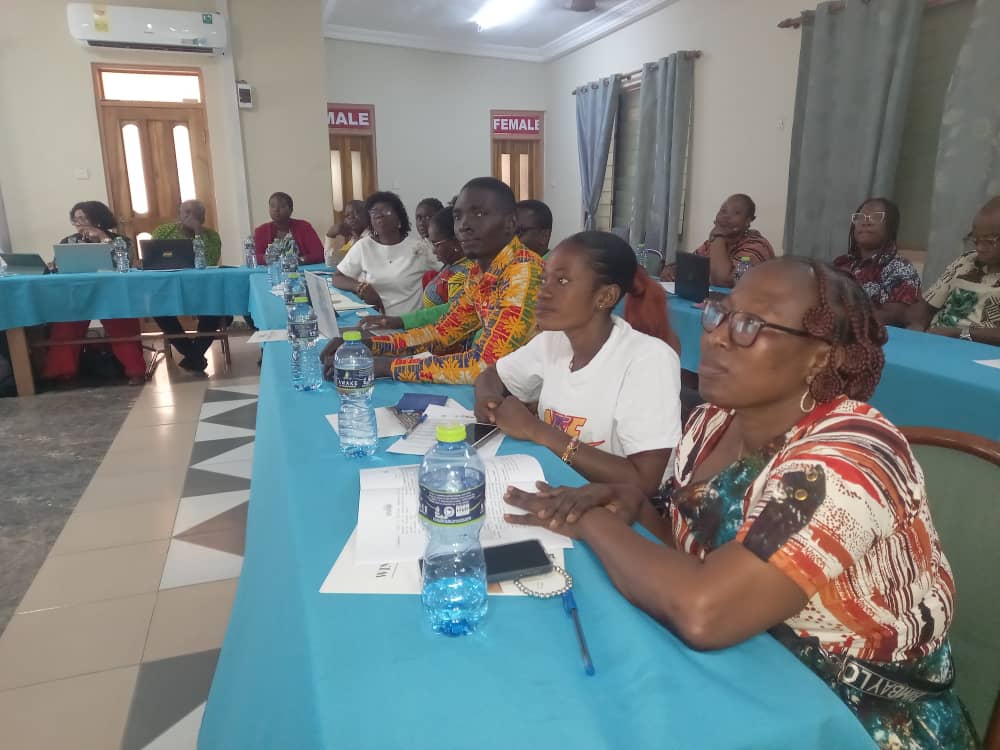
The workshop, organised by SPADRA in partnership with Inclusion Africa, the African Disability Forum, and Sweden Sverige, brought together duty bearers including officials from CHRAJ, the Department of Social Welfare, the Ghana Education Service, parents, civil society organisations, persons with disabilities, and caregivers from the Ga West Municipality and the Central Region.
Participants shared lived experiences on barriers that hinder access to social protection, education, and justice, especially for women with disabilities, parents, and Organisations of Persons with Disabilities (OPDs).
The initiative forms part of a broader project implemented through the Pan-African Consortium of OPDs, comprising the African Disability Forum (ADF), Disabled Women in Africa (DIWA), and Inclusion Africa.
The project seeks to enhance gender and disability rights across Africa by strengthening the capacity of OPDs and fostering cross-disability partnerships at both Pan-African and national levels.
It specifically focuses on advancing gender and disability rights in Ghana, Benin, Malawi, and Zambia, with the aim of improving the ability of OPDs to lead initiatives that monitor and uphold human rights instruments, including the Africa Protocol.
The initiative also promotes inclusive education in Ghana by advocating equal learning opportunities for all individuals, regardless of ability, and is grounded in principles of fairness to create a society where every person is recognised and valued.
Mr. Kofi Tibuahson, Project Manager of SPADRA, introduced participants to the Inclusive Education Toolkit titled “Supporting Girls and Young Women with Disabilities.” Copies of the document were distributed to participants for their input and further action.
He explained that prevailing gender norms in Ghana often limit opportunities for girls, particularly those with disabilities, who face challenges such as educational gaps, early marriage, and neglect.
He emphasised that women and girls with disabilities, like their peers without disabilities, require access to education, healthcare, and livelihood support. However, they may also have additional needs, including assistive devices, accessible physical environments, accessible information, and targeted interventions.
Citing the 2021 Ghana Statistical Service report, he noted that the global average disability prevalence rate among females aged 18 and above stands at 19.2 percent, compared to 12 percent for males. In Ghana, women with disabilities constitute 8.8 percent of the population, compared to 6.7 percent for males.
“These figures suggest that there are likely more women and girls with disabilities than boys and men with disabilities. Social service providers must therefore be intentional in including them in services and continuously monitor their progress,” he stated.
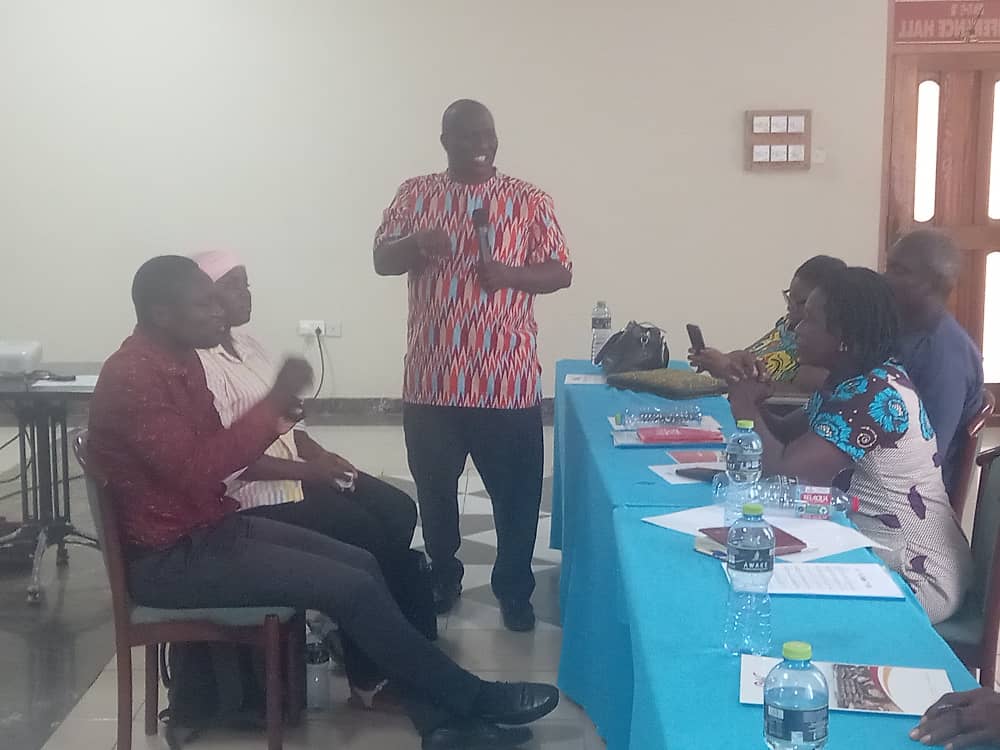
Mr. Tibuahson further stressed the need for fairness in service delivery, ensuring that every eligible individual has equal access regardless of sex, age, disability, or ethnic status.
He added that service providers must implement planned awareness campaigns on available services through appropriate community channels to ensure that women and girls with disabilities are well-informed about support systems, assistive devices, and accessible resources.
GNA
Edited by Alice Tettey/Audrey Dekalu