By Muyid Deen Suleman
Tepa (Ash), May 30, GNA – The Development Bank Ghana (DBG) has distributed 10,000 sanitary pads to schoolgirls across four regions as part of efforts to promote menstrual hygiene and support girls’ education.
The beneficiary schools are in the Northern, Upper East, Ashanti and Greater Accra regions.
The initiative forms part of the bank’s Corporate Social Responsibility (CSR) programme to commemorate World Menstrual Hygiene Day, observed globally on May 28 each year to raise awareness about menstrual health and hygiene and to challenge stigma surrounding menstruation.
This year’s celebration is on the theme: “Together for a Period-Friendly World,” which advocates universal access to safe sanitation facilities, accurate menstrual health education and affordable sanitary products.
Ms. Barbara Anawonu Wricketts, Head of Corporate Social Responsibility at DBG, speaking at Tepa Senior High School during a donation ceremony, stressed the importance of educating girls about menstruation from an early age to help them understand the physical and emotional changes associated with puberty.
She noted that many girls experienced their first menstrual period at a relatively young age and therefore required guidance and support from parents, teachers and other caregivers.
Ms. Wricketts observed that misconceptions, stereotypes and cultural beliefs surrounding menstruation often prevented open discussions on the subject, leaving many girls confused and inadequately informed.
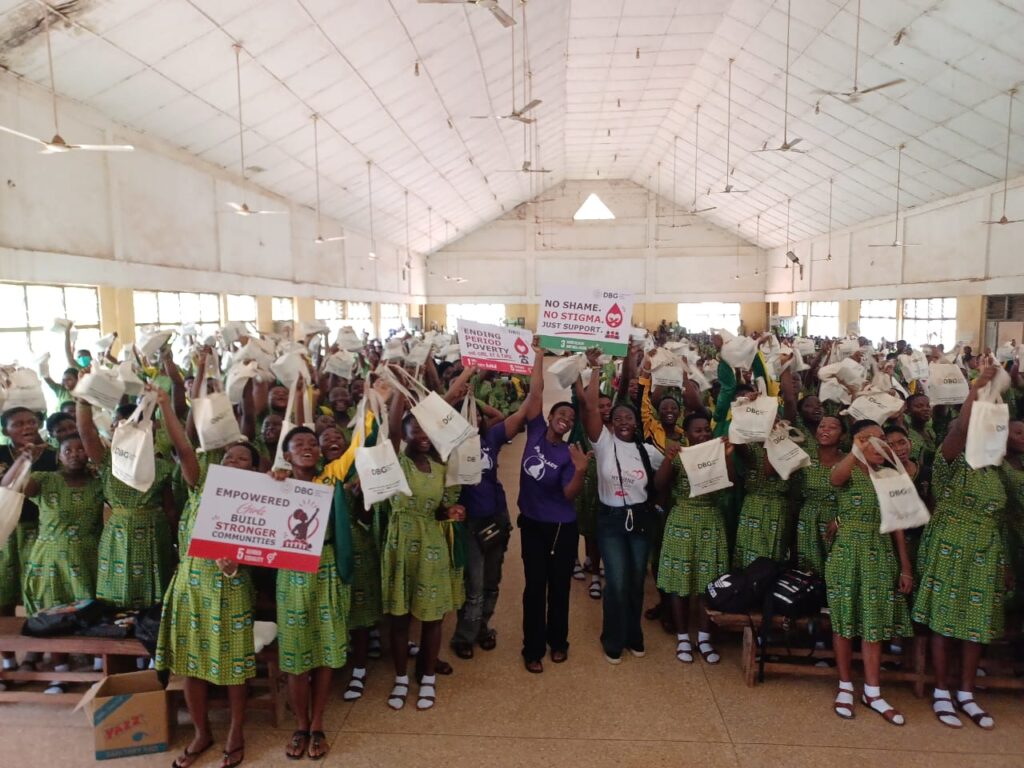
She encouraged the students to speak openly about menstrual health concerns and seek support from parents, teachers and healthcare professionals whenever necessary.
Mrs. Helen Baffoe Adentwi, Senior Housemistress of Tepa Senior High School, called for stronger collaboration among government agencies, development partners and other stakeholders to address the challenges girls face during menstruation.
She acknowledged ongoing government efforts to improve menstrual health management but stressed the need for additional interventions to ease the burden on girls, particularly in accessing and purchasing sanitary products.
“Menstruation is a natural biological process that every girl must manage. It is therefore important that society provides the support and resources needed to ensure girls can go through the process with dignity and confidence,” she said.
Mrs. Adentwi further noted that while progress had been made in promoting menstrual hygiene awareness, more investment was needed to guarantee consistent access to sanitary pads and comprehensive menstrual health education.
Some students who spoke to the Ghana News Agency appealed for sustained public education and continued support with sanitary products, noting that the high cost of menstrual materials sometimes affects school attendance and academic participation.
Other beneficiaries in the Ashanti Region included students of Maabang Senior Technical High School and girls from surrounding communities.
Development Bank Ghana is a financial institution established to address critical funding gaps within Ghana’s economy by providing competitive long-term financing to micro, small and medium-sized enterprises (MSMEs).
The sanitary pad distribution exercise was undertaken with support from the Special Lady Foundation.
GNA
Edited by Yussif Ibrahim/Kenneth Odeng Adade
Reporter: Muyid Deen Suleman