By Victoria Agyemang
Cape Coast, May 6, GNA – The Central Regional Directorate of the Department of Gender has announced plans to intensify collaboration with traditional authorities in Cape Coast to address the growing issue of cohabitation among young people in the Metropolis.
The move, according to the Directorate, will involve close engagement with queen mothers and chiefs to promote awareness of the social and economic consequences of cohabitation, particularly among adolescents and young adults.
Speaking at a training programme with traditional leaders in Cape Coast, the Head of the Department of Gender, Madam Richlove Amamoo, noted that cohabitation—often driven by economic hardship and peer influence—had become a worrying trend with implications for education, health, and family stability.
The training was organised by the Central Regional Coordinating Council through the Department of Gender, with funding support from the United Nations Population Fund (UNFPA).
She emphasised that traditional leaders remain key influencers within communities and can play a vital role in reshaping societal norms and guiding young people towards more responsible life choices.
“Our queen mothers and chiefs are custodians of culture and values. Partnering with them allows us to reach households more effectively and address the root causes of cohabitation,” she said.
Available data from the Department indicates that more than 1,477 youth engaged in cohabitation in 2024, raising concerns about child safety as the cases continue to increase.
The collaboration with traditional leaders seeks to strengthen existing by-laws that discourage underage cohabitation and promote child protection.
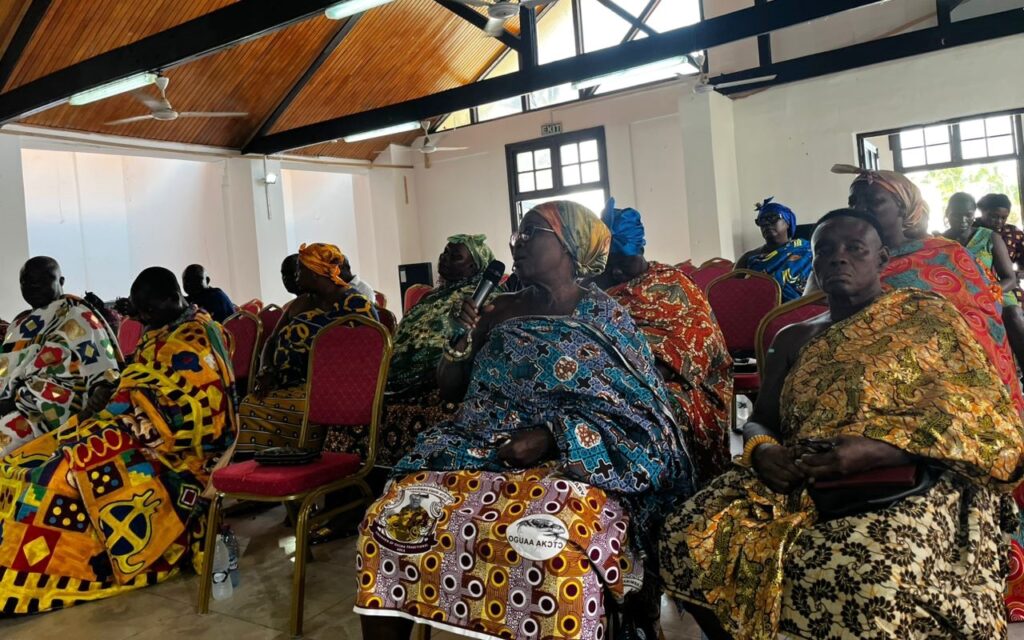
Madam Amamoo also highlighted the roles of queen mothers and chiefs in safeguarding the future of young people, calling for sustained efforts to eradicate child marriage and other practices affecting the lives of young girls.
She further noted that cases of HIV/AIDS were on the rise, with Cape Coast among the communities recording high figures, and called for collective support from all stakeholders to address the situation.
Some queen mothers present at the meeting expressed concern over the rising cases, attributing the trend to poverty, broken homes, and lack of parental guidance.
They pledged their support for the initiative and called for sustained education and empowerment programmes for young girls.
Nana Kwame Menyah V, Kyidomhen of the Oguaa Traditional Area, underscored the need for a collective approach, urging religious bodies, civil society organisations, and the media to support the campaign.
The Gender Department reaffirmed its commitment to safeguarding the welfare of young people and ensuring that cultural structures are leveraged to promote positive behavioural change in the region.
GNA
Edited by Alice Tettey/Audrey Dekalu