By Kodjo Adams
Accra, May 29, GNA – The Ghana Association of Radiologists (GAR) has warned that the use of independent Artificial Intelligence (AI) systems to issue radiology reports without oversight authorisation will not be legally recognised as clinical practice in Ghana.
The Association said radiological image interpretation and reporting remain the responsibility of appropriately trained and duly licensed medical practitioners.
The GAR cautioned all diagnostic facilities engaging in such practices to cease immediately or risk legal and regulatory consequences.
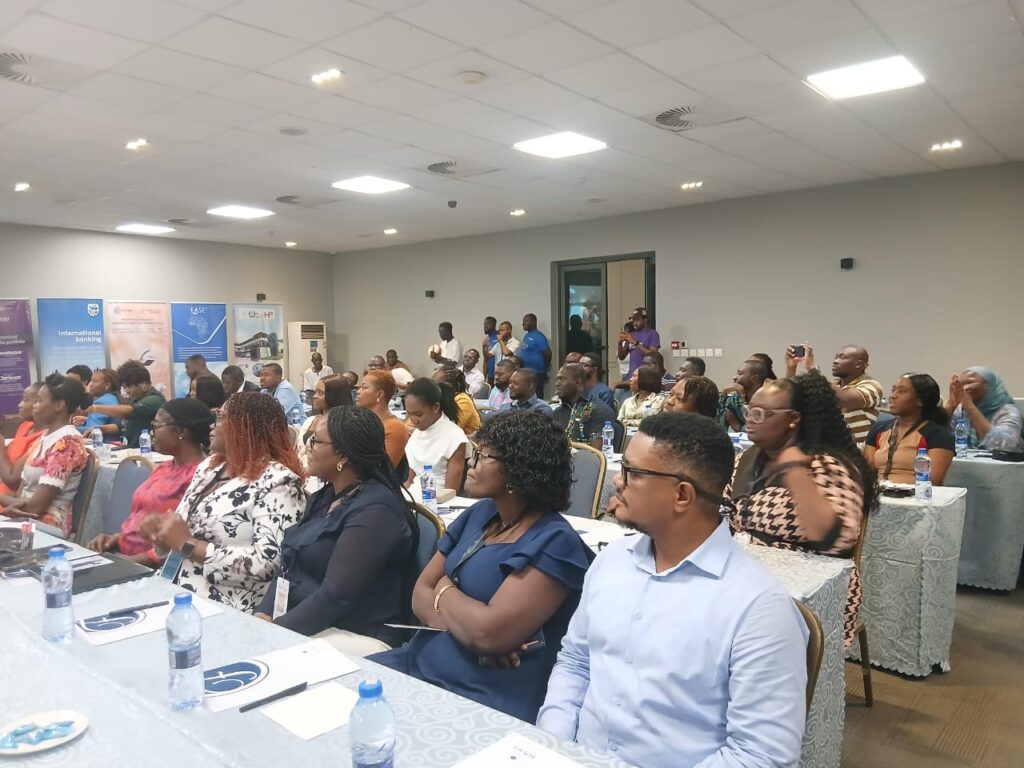
This was contained in a communiqué jointly signed by ACP Dr. Francis Ofei, President of GAR, and Dr. Cathy Gyamfua A. Larbi, Secretary of GAR, and issued to the Ghana News Agency at the end of the Association’s 14th Annual General and Scientific Meeting.
The meeting was on the theme: “From Kidneys to Urethra: Imaging the Genitourinary Tract in the Era of Multidisciplinary Care.”
The statement said it was unacceptable for any healthcare practice to compromise patient safety, confidentiality, professional accountability, and regulatory compliance.
The Association called on authorities in the sector to strengthen oversight and enforcement mechanisms within the radiology and diagnostic imaging space.
The conference reaffirmed the indispensable role of radiology and medical imaging in modern healthcare delivery.
“Radiologists are specialist medical doctors trained to interpret medical images, including ultrasound, X-rays, CT scans, MRI scans, mammography, fluoroscopy, and interventional imaging procedures,” the statement said.
The conference strongly endorsed the need for structured multidisciplinary collaboration among radiologists, nephrologists, urologists, oncologists, surgeons, physicians, and allied healthcare professionals in the management of genitourinary diseases.
Participants, among others, called for the establishment of formal multidisciplinary team meetings across tertiary institutions and the development of Ghana-specific imaging and clinical protocols.
The conference emphasised that the contamination of major water bodies with mercury, cyanide, and other toxic heavy metals from illegal mining activities may have serious long-term consequences on kidney health and general public health in Ghana.
“Rivers such as the Pra, Birim, Ankobra, and Offin continue to suffer extensive pollution, placing millions of Ghanaians at risk,” it said.
The Association called on the government and stakeholders to intensify efforts toward ending illegal mining and protecting Ghana’s water bodies and environment.
It further urged relevant state institutions and private organisations to support further local scientific research to broaden understanding of kidney disease in the country.
The conference encouraged the public to undertake regular medical check-ups and periodic health screening.
GNA
Reporter: Kodjo Adams
Edited by Samuel Osei-Frempong