By Gifty Amofa, GNA
Accra, April 1, GNA – The Ghana China Friendship Association (GhaChiFa) on Tuesday held a forum on China’s zero-tariff policy, with a call to support the African Continental Free Trade Area (AfCFTA) to reduce non-tariff barriers to African exports.
Dr Samuel Nii-Noi Ashong, a finance expert, said in February 2006, President Xi Jinping announced China’s decision to extend non-reciprocal zero-tariff treatment to all 53 African countries with diplomatic ties, effective May 1, 2026.
He said the move expanded the policy’s coverage beyond Least Developed Countries to include middle-income economies, marking a strategic shift from trade in raw materials to industrial partnerships.
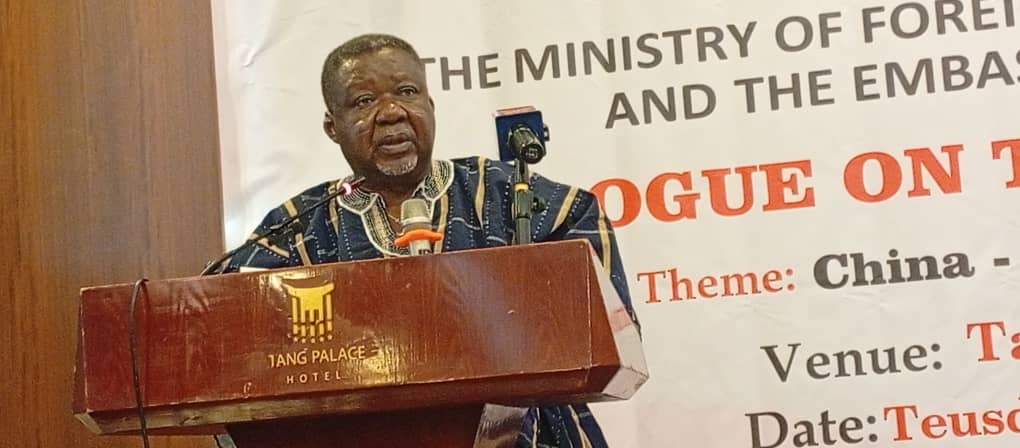
Dr Ashong noted that while zero tariffs could serve as a catalyst for trade, they did not guarantee export success, stressing that outcomes would depend on Africa’s ability to translate market access into structural transformation.
He identified key bottlenecks, including inadequate logistics and infrastructure, weak digital customs systems, limited trade facilitation, challenges in meeting technical standards, and gaps in financial services, e-commerce, and capacity building.
Delivering the keynote address at the forum, Dr Ashong said China could support Africa by investing in transport systems to reduce inefficiencies and enhance digital customs processes to speed up clearance.
He urged China to provide training in packaging, branding, and regulatory compliance to help African products meet international standards.
On financial constraints, Dr Ashong called for support for initiatives such as the Pan-African Payment and Settlement System to facilitate local currency transactions, alongside broader capacity-building efforts.
Touching on Ghana’s position, he said the country must prioritise value addition rather than exporting raw materials to fully benefit from the policy.
Mr Li Yao Hong, Economic Counsellor at the Chinese Embassy in Ghana, said China’s comprehensive zero-tariff policy reflected its commitment as a reliable partner and would further deepen relations with Africa.
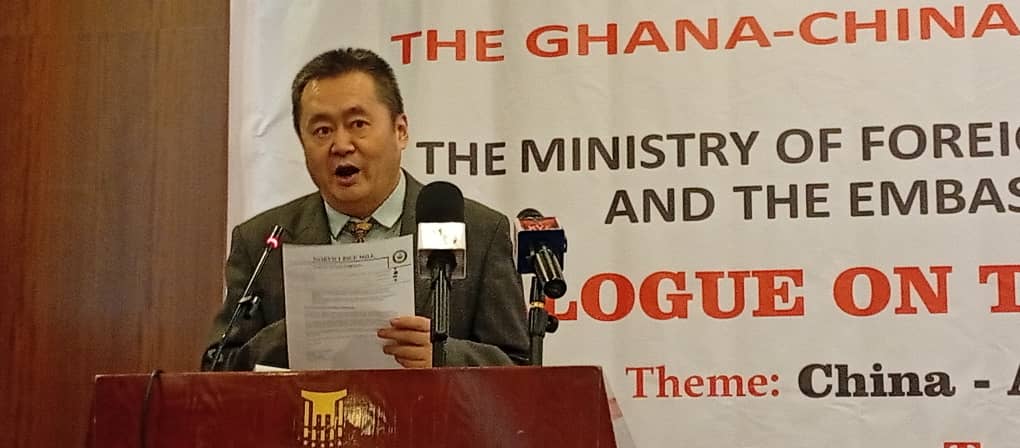
Industrialisation, he said, remained essential for the continent’s economic transformation and self-reliance, adding that China would increase investment cooperation to support that agenda.
Mr Benjamin Anyagre, the General Secretary of GhaChiFa, said Ghana-China relations dated back to August 18, 1961, when Dr Kwame Nkrumah helped formalise people-to-people ties.
He said the zero-tariff policy would open new opportunities for African exports to the Chinese market, adding that GhaChiFa would continue to advocate increased access.
The event brought together representatives from the Registrar General’s Department, the Ghana Standards Authority, the Ghana Shippers Authority, and security agencies among other stakeholders to discuss strategies for maximising the benefits of the zero-tariff policy and addressing barriers to African exports.
GNA
Edited by Agnes Boye-Doe