By James Amoh Junior, GNA
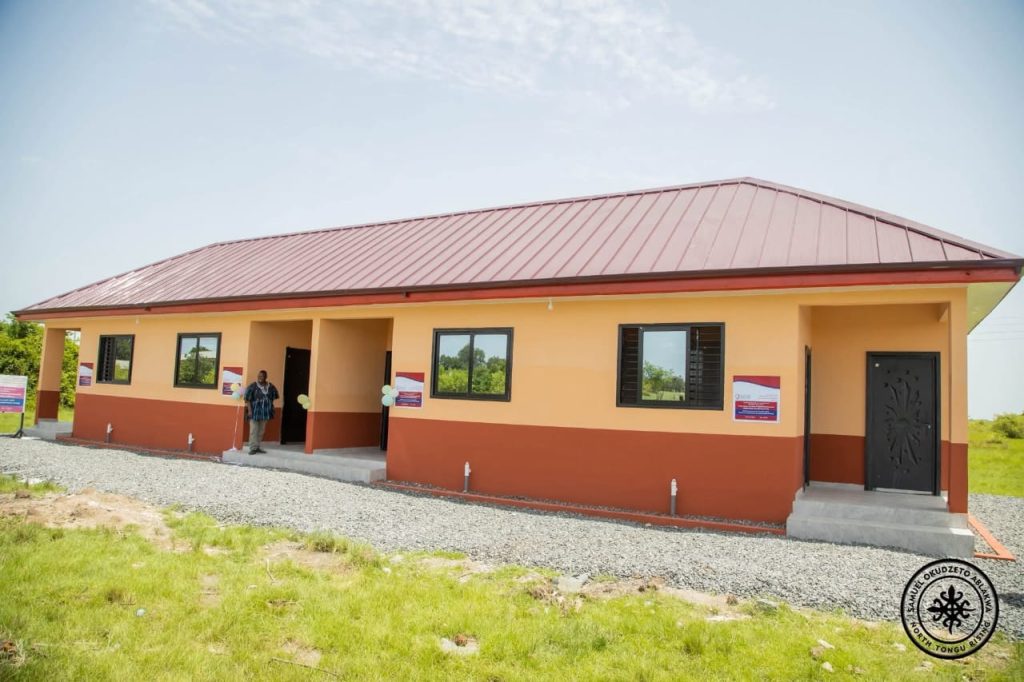
Aveyime-Battor (V/R), April 15, GNA – Mr Samuel Okudzeto Ablakwa, Member of Parliament for North Tongu and Minister for Foreign Affairs, has commissioned a six-unit classroom block, eight-unit teachers’ bungalows and a mosque at the Aveyime-Battor Senior High Technical School.
The project, undertaken in partnership with Qatar Charity, is expected to ease congestion and reduce pressure on existing infrastructure at the school, which has experienced increasing student enrolment in recent years.
The newly constructed classroom block is aimed at expanding access to teaching and learning space, while the teachers’ bungalows, designed to accommodate eight teachers and their families, are expected to enhance discipline, improve punctuality and strengthen supervision on campus.
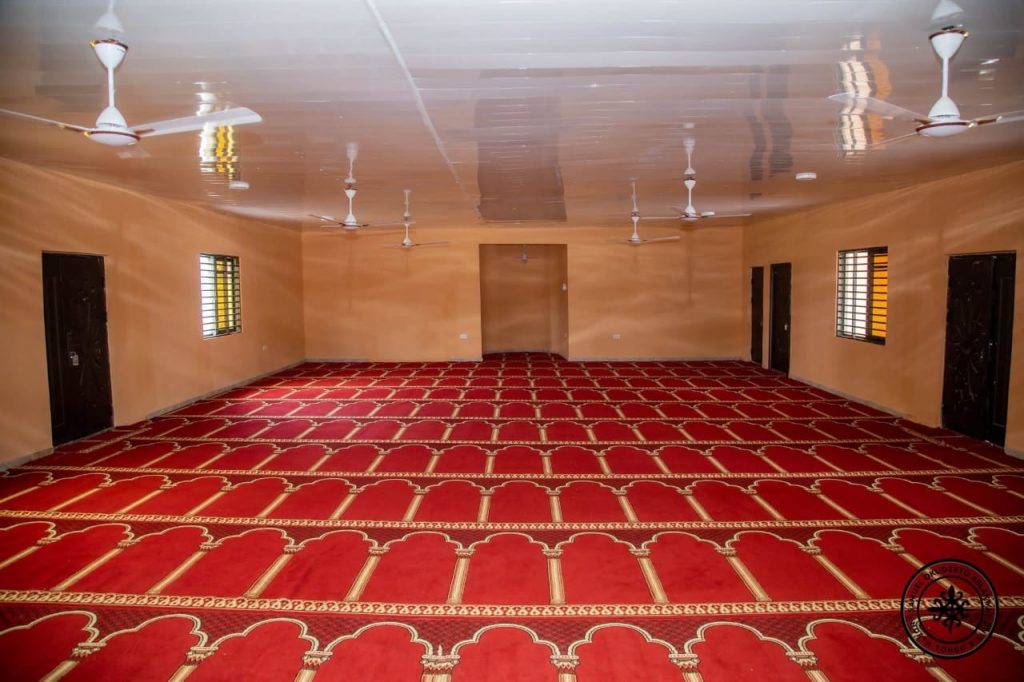
The mosque, which forms part of the integrated project, also comes with wash facilities and serves as a symbol of Ghana’s religious diversity, providing a dedicated space for worship for Muslim students and staff.
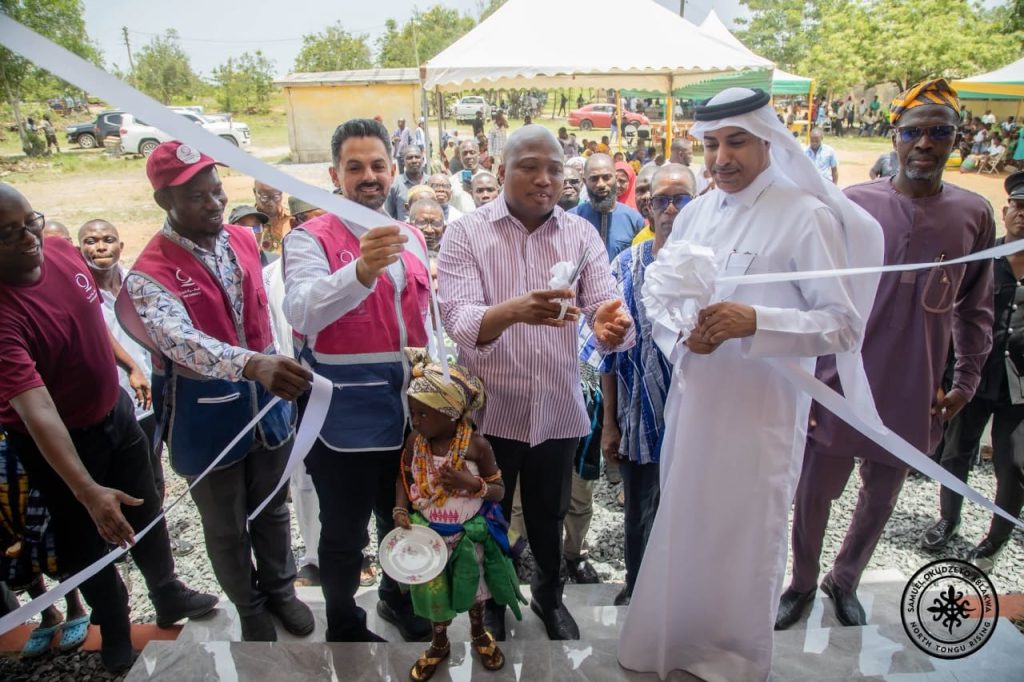
The project was completed in less than 12 months through the benevolence of the people of Qatar and responds directly to the infrastructure needs of the school.
Mr Ablakwa, addressing a gathering of a Qatari delegation, school authorities, staff and students at the commissioning ceremony on Tuesday, April 14, reaffirmed his commitment to delivering on promises made to constituents during the 2024 general election.
He said the provision of on-campus accommodation for teachers would eliminate the challenges associated with commuting from nearby towns, which often affected effective supervision and discipline.
The MP said: “We are also commissioning teachers’ bungalows for eight teachers who are going to have their own residential accommodation here on campus, so they don’t have to be struggling with accommodation in the main town, and then it affects supervision, it affects discipline.”
“They are going to be here on campus so that it can facilitate their work. It can also promote discipline and enhance productivity and punctuality,” he added.
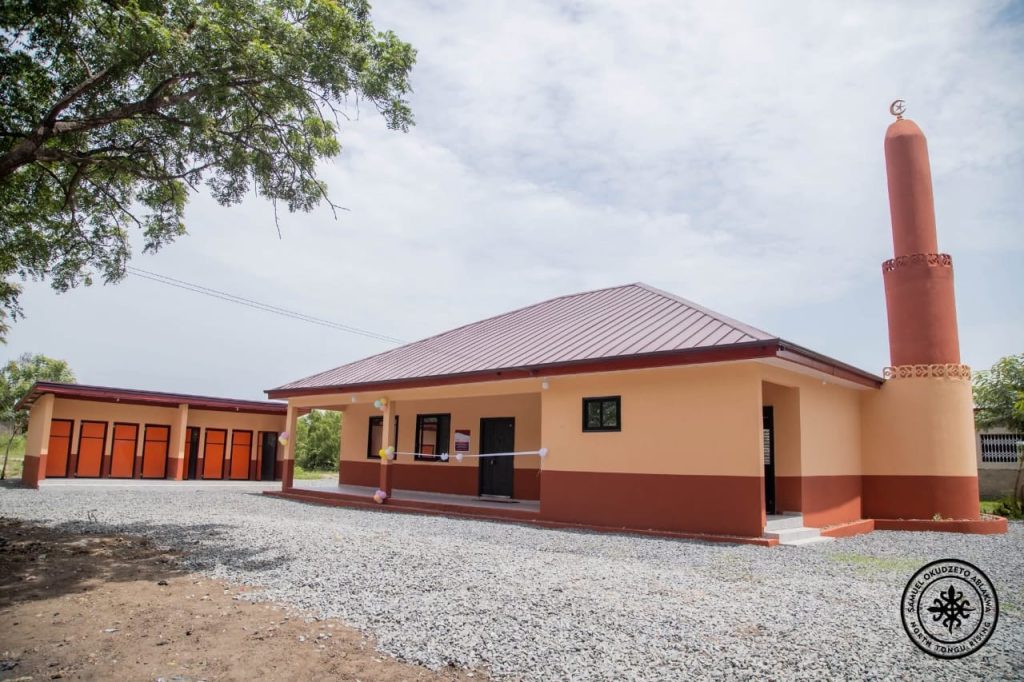
Mr Ablakwa noted that the project went beyond academic infrastructure, incorporating sanitation and hygiene components, including boreholes and wash facilities, to support a holistic learning environment.
He described the initiative as a comprehensive intervention that addressed the intellectual, moral and spiritual development of students.
“In terms of our sanitation and hygiene facilities, including boreholes, it’s all integrated. So I call this a comprehensive integrated project that caters for the mind, the heart and the soul,” he said.
The Minister also announced plans to expand similar interventions across the constituency, particularly to further decongest classrooms in second-cycle institutions.
“We are going to be expanding the opportunity to decongest our classrooms so that we can have more classroom projects,” he said.
He assured that ongoing dining hall projects across all second-cycle schools in the constituency would be completed on schedule as part of efforts to improve student welfare.
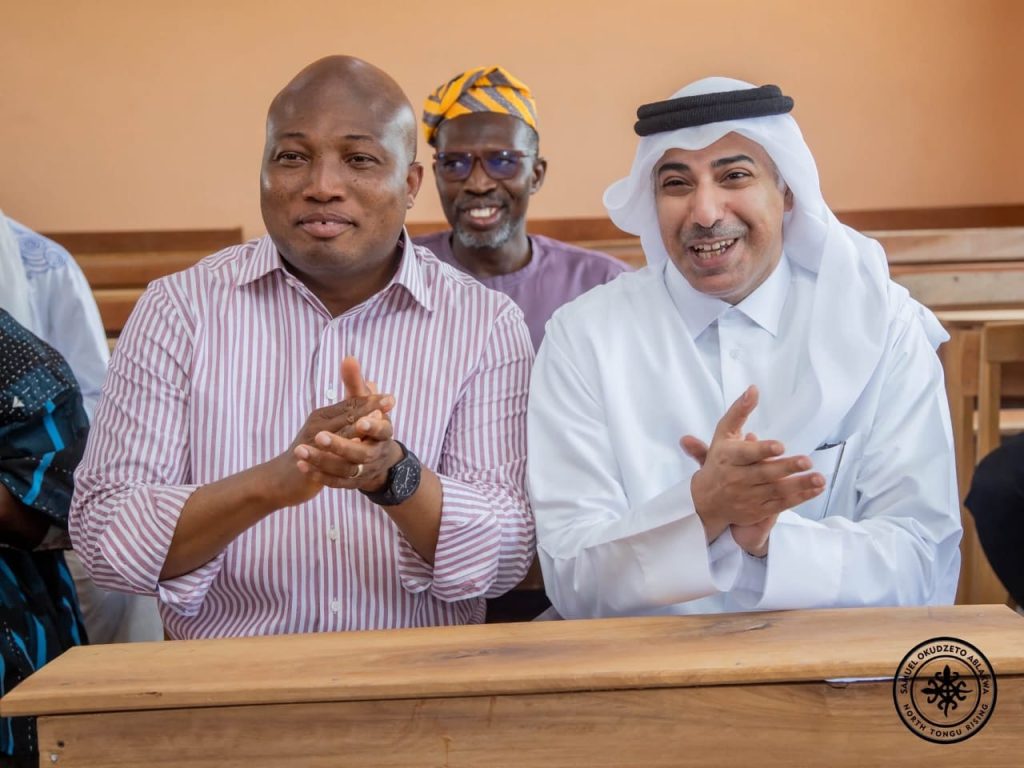
Mr Ablakwa expressed gratitude to the Government and people of Qatar for their continued support to Ghana’s education sector, describing the intervention as a demonstration of strong bilateral relations between Ghana and Qatar.
“On behalf of the President of the Republic of Ghana, His Excellency John Dramani Mahama, we want to convey our deepest gratitude to the State of Qatar for this kind gesture,” he said.
He also commended the leadership of Qatar, including the Emir, for prioritising education globally, noting that investments in education remained critical to empowering the next generation and promoting equity and justice.
“It is only through education that we can empower the next generation… when the people are enlightened, when the people are empowered, they know their rights and their dignity is enhanced,” he said.
School authorities and students expressed appreciation for the intervention, noting that the additional facilities would significantly improve teaching and learning conditions, reduce congestion and enhance overall academic performance.
GNA
Edited by George-Ramsey Benamba