By James Amoh Junior, GNA
Accra, March 12, GNA – The Network of Professional Women in Water, Sanitation and Hygiene (WiWASH) Ghana has marked International Women’s Day 2026 with a symposium aimed at strengthening women’s leadership, mentorship and professional development in the water and sanitation sector.
The event, held in Accra, brought together policymakers, professionals, development partners and female staff of Ghana Water Ltd (GWL) to reflect on the role of women in water governance and explore ways to enhance their participation in decision-making within the sector.
It served as a platform for dialogue on strengthening gender inclusion and leadership in Ghana’s water sector.
WiWASH was established in July 2017 as a professional platform to promote the advancement of women in the Water, Sanitation and Hygiene (WASH) sector in Ghana.
The network focuses on mentoring young professionals, strengthening leadership capacity among women and promoting gender-responsive policies within the sector.
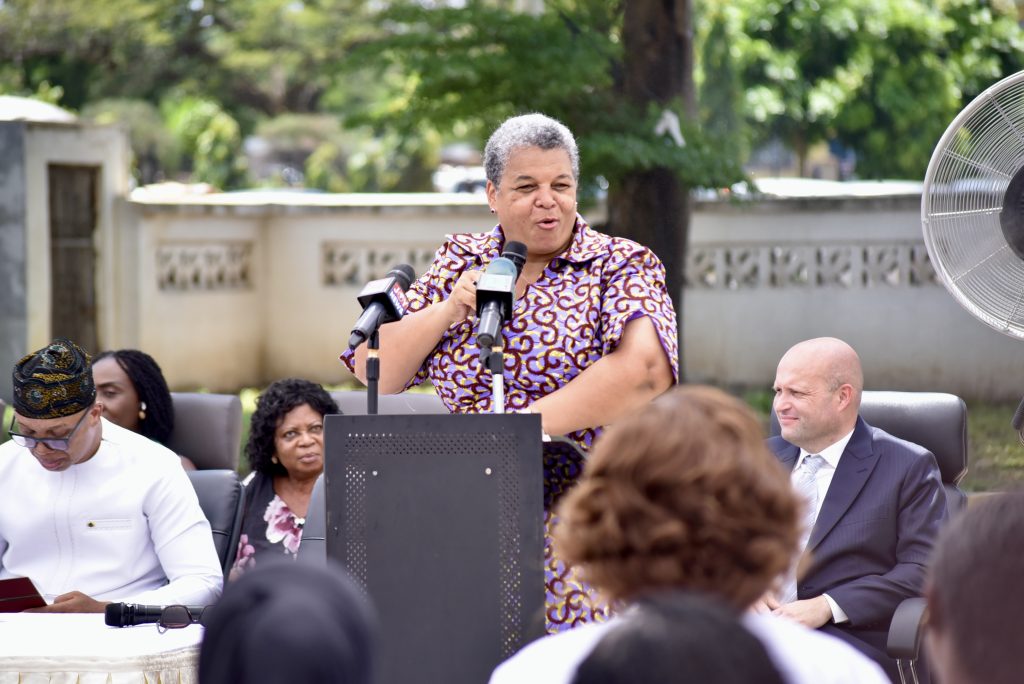
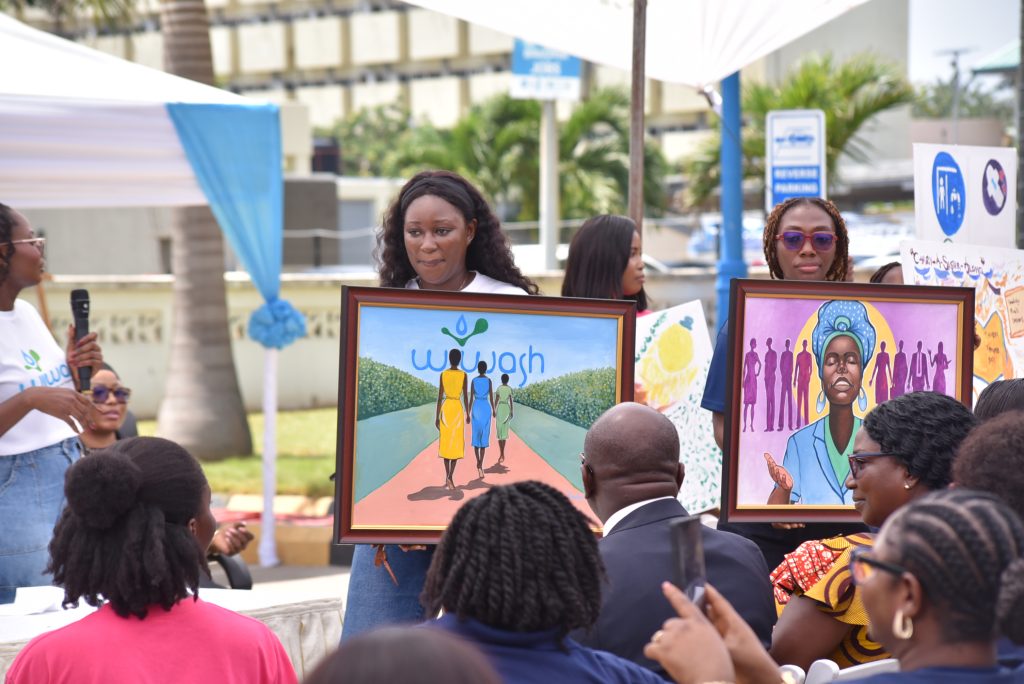
Over the years, the organisation has implemented community outreach initiatives aimed at improving sanitation awareness and supporting vulnerable groups.
Through its programmes, the network has reached more than 10,000 people with health and sanitation education, the provision of handwashing facilities, life-skills training and the distribution of menstrual hygiene materials.
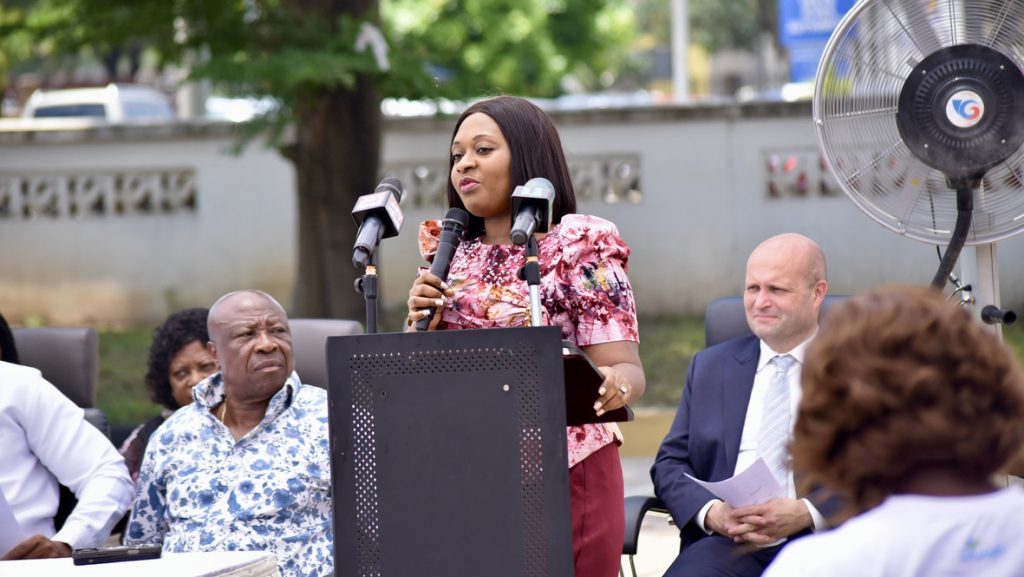
Mrs Gizella Tetteh-Agbotui, Deputy Minister for Works, Housing and Water Resources, urged women in the water sector to recognise their contributions and continue to support each other in leadership and professional growth.
She said women often underestimated their achievements and encouraged them to celebrate their successes and support one another through mentorship and collaboration.
“As women, sometimes we fail to give ourselves enough credit for the things we do. We must learn to encourage each other because that encouragement helps us do even better,” she said.
Mrs Tetteh-Agbotui highlighted the environmental challenges facing Ghana’s water resources, particularly the pollution of rivers and water bodies, stressing the need for collective efforts to protect them.
She said water bodies that once served communities were now heavily polluted, increasing the cost of water treatment and threatening sustainable supply.
The Deputy Minister therefore called for practical actions such as tree planting around water sources and stronger enforcement against activities such as sand winning and pollution along river banks.
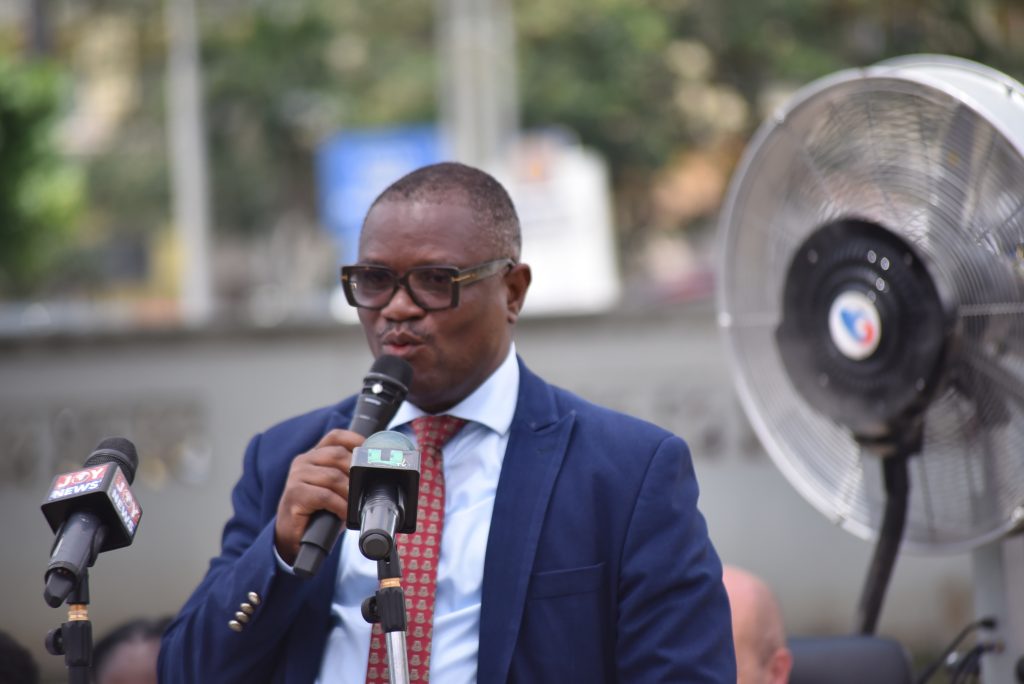
Mr Adam Mutawakilu, Managing Director of Ghana Water Ltd, said the celebration was not only about honouring women, but recognising their essential role in strengthening institutions and communities.
He noted that women were central to water management both at household and institutional levels, making their involvement in leadership within the WASH sector critical.
“When women thrive, institutions grow stronger, communities prosper and the nation moves forward,” he said.
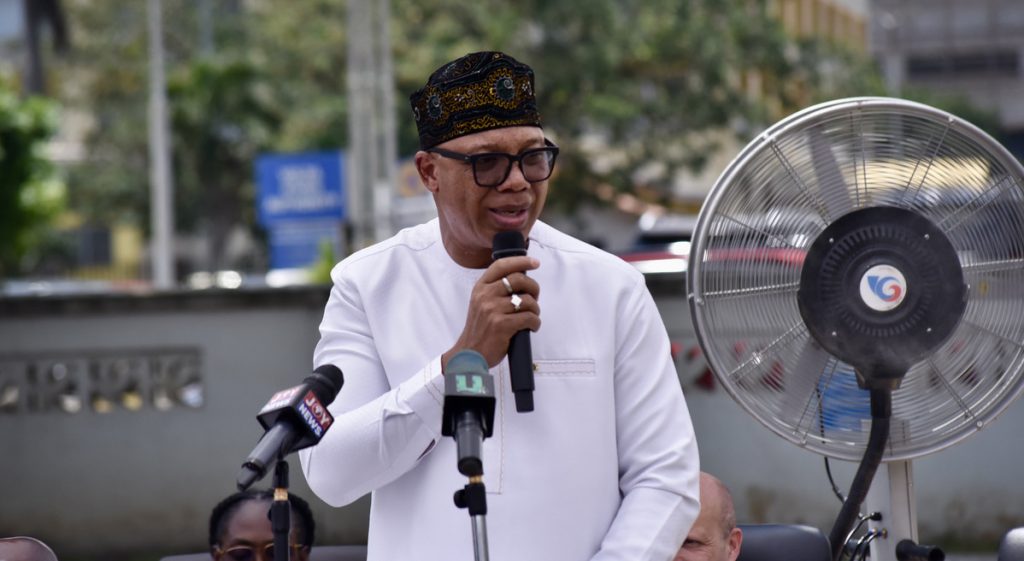
Mr Mutawakilu commended female staff of GWL for their dedication and professionalism, noting that women were making significant contributions across operations, engineering, finance, audit, administration, and customer service among others.
He said their work had contributed to improvements in operational performance and revenue mobilisation across several regions.
The MD said the transformation of the company was not only about infrastructure expansion but also about improving organisational culture and strengthening engagement with customers.
Mr Mutawakilu said women were well positioned to lead efforts to improve customer communication, strengthen feedback systems, promote innovation in service delivery and mentor the next generation of female professionals in the water sector.
Mrs Janet Sunkwa-Mills, Chairperson of the Executive Women Network, encouraged women to build confidence through competence and continuous self-development.
She said women must invest in personal growth, skill development and professional excellence to strengthen their voices in leadership and decision-making spaces.
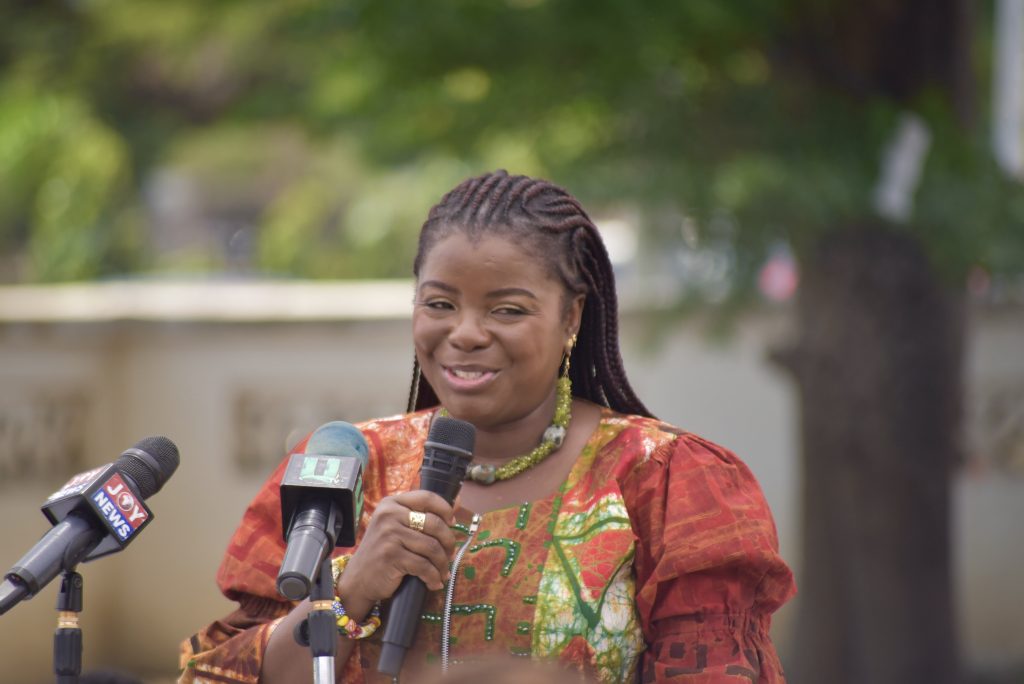
Mrs Sunkwa-Mills stressed that competence, self-awareness and confidence were critical elements in building strong leadership among women.
She added that women must also continuously upgrade their skills and adapt to changing global trends, noting that the evolving world of work required professionals to remain innovative and forward-thinking.
Mrs Faustina Boachie, Gender Focal Person and Chief Manager of the Low Income Consumer Support Department at Ghana Water Ltd, said although women were increasingly visible in the water sector globally, they still represented less than 20 per cent of the workforce.
She said this highlighted the need for deliberate policies and programmes to support women’s professional growth and leadership within the sector.
Mrs Boachie announced the introduction of a mentorship programme under Ghana Water Ltd’s gender inclusion initiatives to connect experienced female professionals with younger staff.
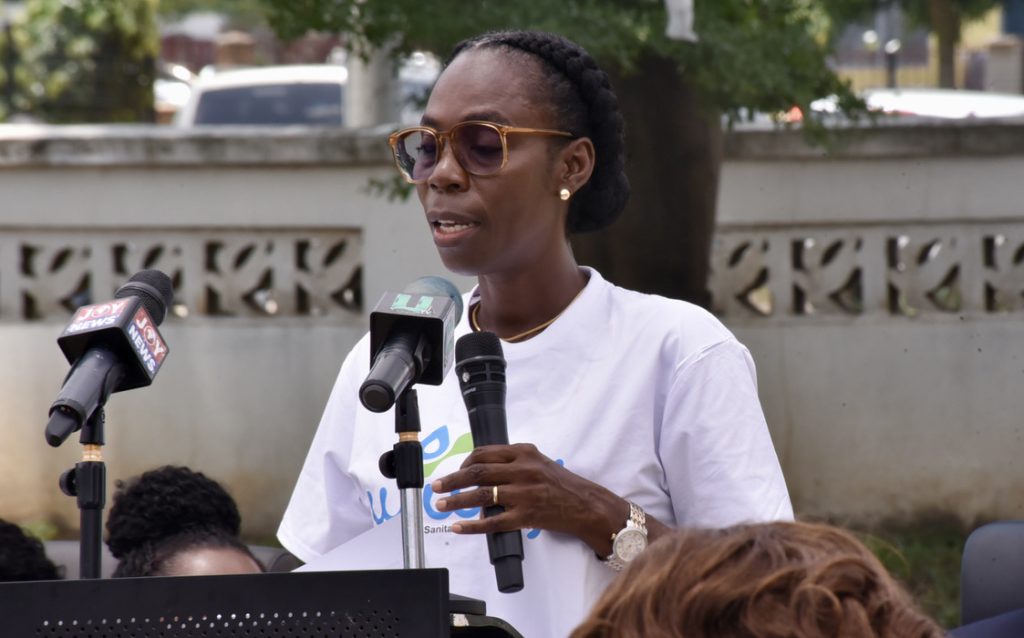
She said the programme would enable women to share knowledge, guide career development and build stronger professional networks within the organisation.
According to her, mentorship would help strengthen institutional capacity by preparing skilled and confident professionals capable of addressing the complex challenges facing the water sector.
Ms Solace A. M. Akomeah, President of WiWASH, said the organisation continued to play an important role in promoting women’s leadership and professional advancement within the WASH sector.
She said the platform had created opportunities for women to share experiences, build networks and support each other’s growth.
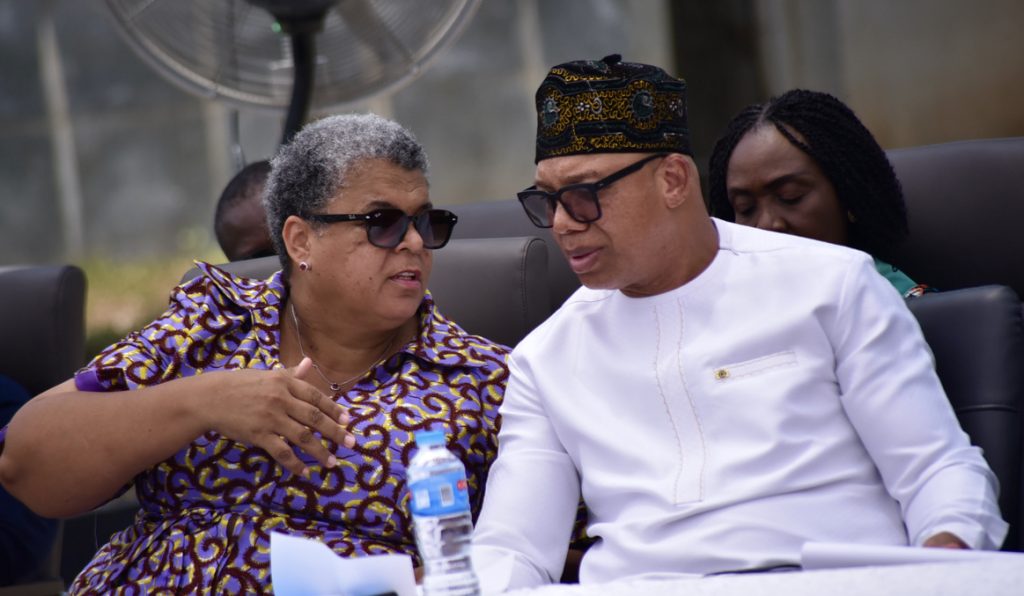
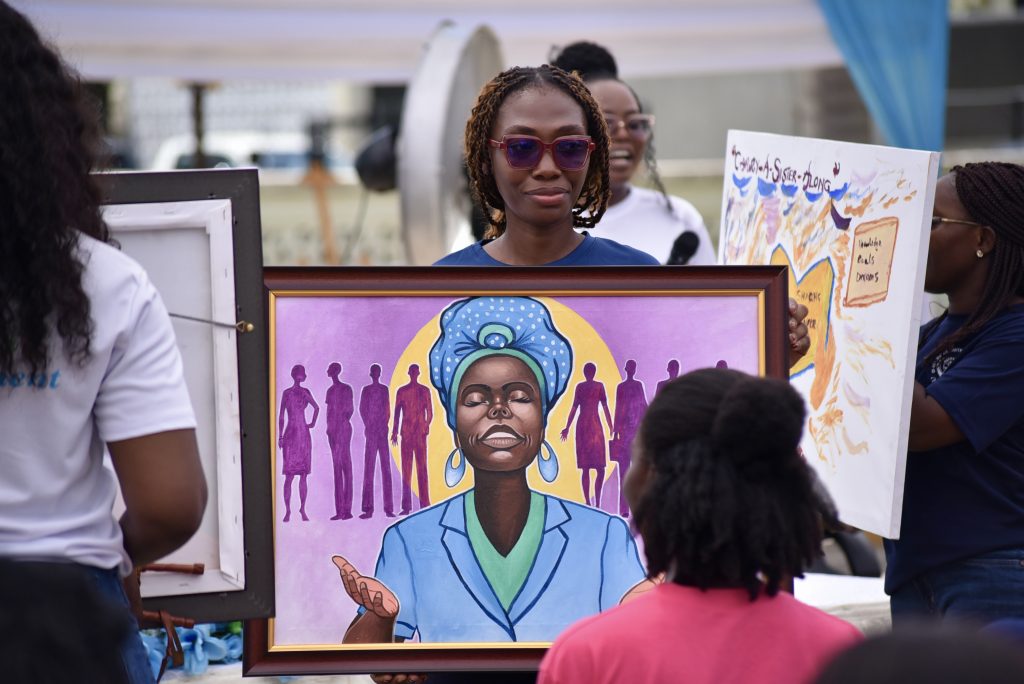
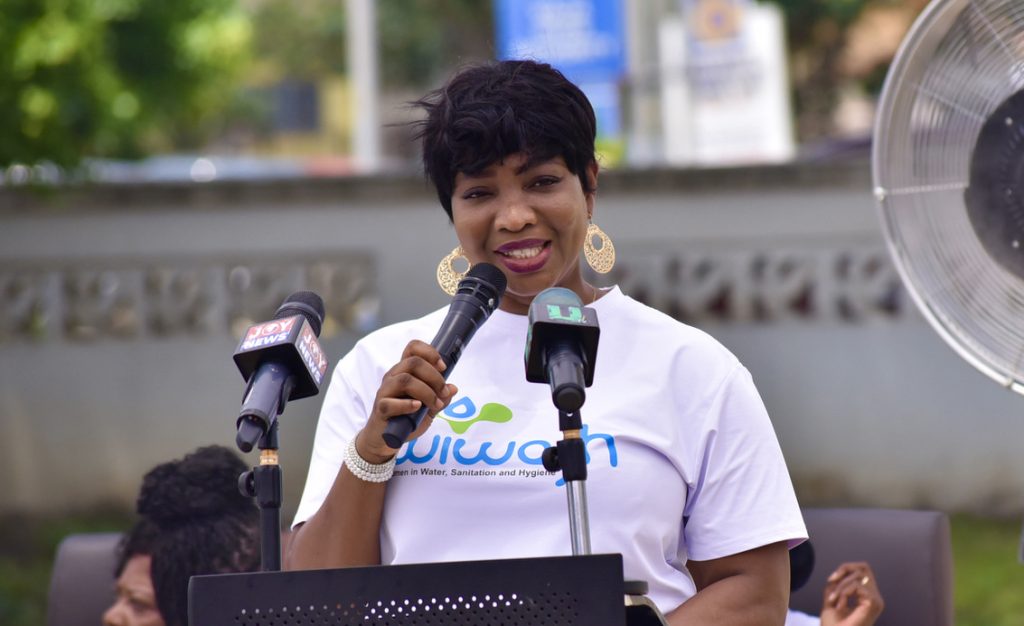
The network has partnered schools and communities across the country, including the Wa Methodist School for the Blind and schools in Alogboshie, Kpeve, Bortianor and Weija, to promote hygiene awareness and support vulnerable groups, she said.
Ms Akomeah, also the Communication Manager for the Accra West Region of GWL said WiWASH remained committed to promoting knowledge sharing among women in the sector, creating awareness of leadership opportunities, mentoring young professionals and advocating gender-responsive policies in the WASH industry.
GNA
Edited by George-Ramsey Benamba