By James Amoh Junior, GNA
Accra, March 25, GNA – Stakeholders have called for a coordinated national response to address the growing safety and security implications of illegal mining, popularly known as galamsey, as Ghana intensifies efforts to align policy with realities on the ground.
The call was made at a National Validation and Policy Dialogue Forum on the Safety and Security Ecosystem of Illegal Mining in Ghana, organised by the Kofi Annan International Peacekeeping Training Centre (KAIPTC) with support from the Spanish Embassy in Accra.
The forum brought together representatives from government, security agencies, regulatory bodies, civil society, traditional authorities and development partners to deliberate on findings from recent regional consultations held in the Ashanti and Western Regions.
Participants consolidated findings from the regional consultations, identified national priority areas and developed a practical roadmap for implementation.
The roadmap outlines clear institutional responsibilities, coordination mechanisms and timelines for action, monitoring and evaluation.
KAIPTC said the ultimate goal was to bridge the gap between national policy intentions and local-level impact, ensuring that communities affected by illegal mining experience tangible improvements in safety, accountability and economic opportunities.
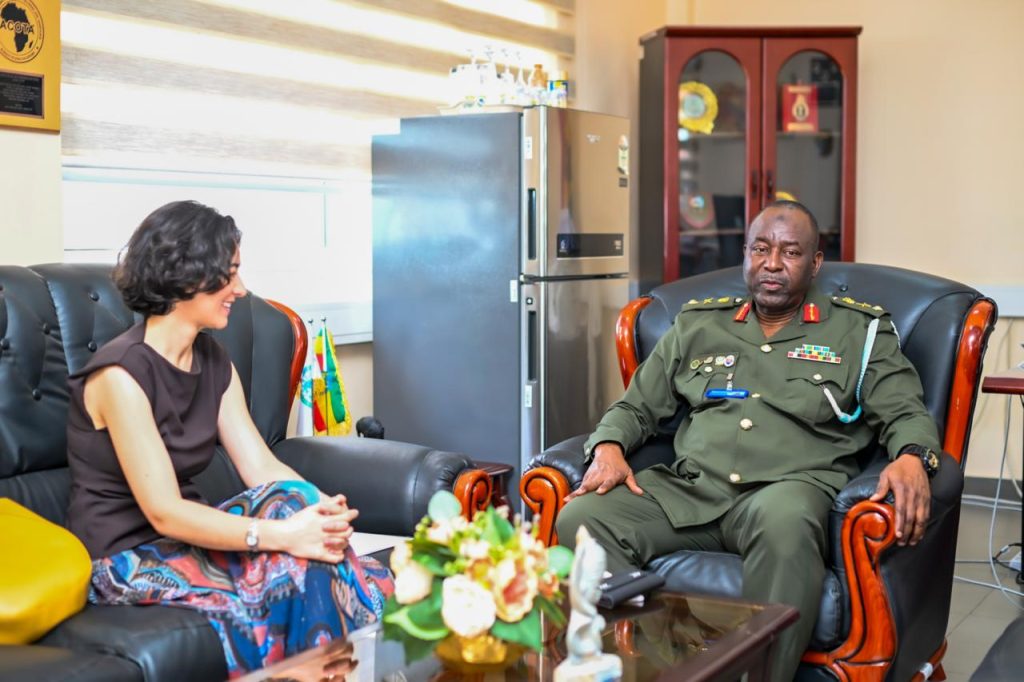
Brigadier General Zibrim Ayorrogo, Deputy Commandant of KAIPTC, in opening remarks, said the national dialogue marked a critical stage in a broader process designed to elevate community-level concerns into actionable national policy decisions.
He explained that the regional workshops provided valuable insights into the lived experiences of mining-affected communities, highlighting the multidimensional nature of illegal mining and its implications for governance, environmental sustainability and human security.
“What has emerged clearly is that illegal mining is no longer a challenge that can be addressed through isolated enforcement actions or sector-specific responses,” he said.
“It has evolved into a complex national governance and human security concern that intersects with environmental protection, economic survival, youth livelihoods, community trust in institutions and the coherence of state authority.”
Brig Gen Ayorrogo noted that fragmented institutional mandates, weak coordination and limited presence of state authorities in remote mining areas had created conditions for criminal networks to thrive.
He added that the circulation of illegal and improvised weapons in some mining corridors posed an additional security threat, linking localised insecurity to broader organised crime risks.
The forum, he said, provided an opportunity for stakeholders to critically examine existing legal and regulatory frameworks, assess coordination mechanisms and identify gaps that undermine effective implementation and public confidence.
He stressed the importance of the National Integrated Mechanism for Addressing Illegal Mining (NIAMOS) in leading efforts to harmonise responses and ensure sustained, nationally owned solutions.
Ms Isabel Ibarra Serrano de Haro, the Deputy Spanish Ambassador to Ghana, said illegal mining was not only an environmental or economic issue but one that directly affected community stability, public trust and sustainable development.
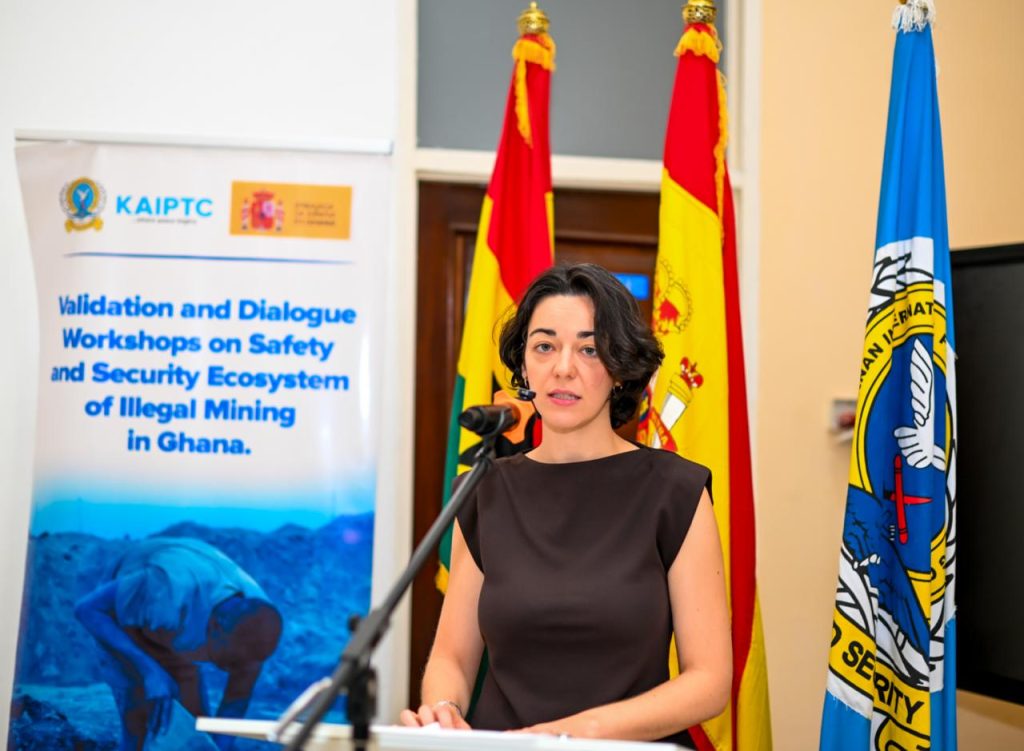
She said insights gathered from the Ashanti and Western Regions revealed a complex interplay of economic pressures, local grievances, governance challenges and criminal activities.
“The issue before us is not only an environmental or economic concern. It is a matter that directly affects community stability, public trust in institutions, the integrity of natural resources and the very foundations of sustainable development,” she said.
Ms Serrano de Haro commended Ghana for its efforts in addressing illegal mining but emphasised the need for continuous reflection and refinement of strategies to strengthen institutional cooperation and resilience.
She noted that Spain’s support for the initiative formed part of its broader commitment to promoting peace, security and sustainable development in the Gulf of Guinea and the Sahel regions.
“Our cooperation with Ghana has grown steadily through training programmes, capacity-building initiatives and security projects that strengthen institutions and enhance resilience,” she said.
Stakeholders expressed optimism that the dialogue would lead to concrete policy adjustments and reinforce collective efforts to combat illegal mining and restore public confidence in state institutions.
GNA
Edited by George-Ramsey Benamba