By Jibril Abdul Mumuni
Accra, March 9, GNA – Dr Haruna Zagoon-Sayeed, a senior academic, has called for urgent and far-reaching reforms in Islamic education to improve outcomes for Muslim children in Ghana.
He noted that the fragmented approach to managing Muslim educational affairs continued to undermine progress within the community.
Speaking at the 2026 Hijra Club Ramadan Lectures at the National Mosque Complex Auditorium in Accra, Dr Zagoon-Sayeed said no single Islamic organisation or sect had the capacity to address the deep-rooted challenges facing Muslim learners.
He said only a unified and coordinated effort could yield the transformational results needed to strengthen educational outcomes for Muslim children across the country.
“When you are a minority and you are also divided, nobody will take care of you,” he cautioned, noting that internal divisions risk leaving communities marginalised.
Dr Zagoon-Sayeed said that Muslims possessed significant resources but often deployed them in isolated, sectarian ways that diluted their impact.
He urged stakeholders to adopt a collective vision and work toward integrated solutions benefiting all Muslim communities nationwide.
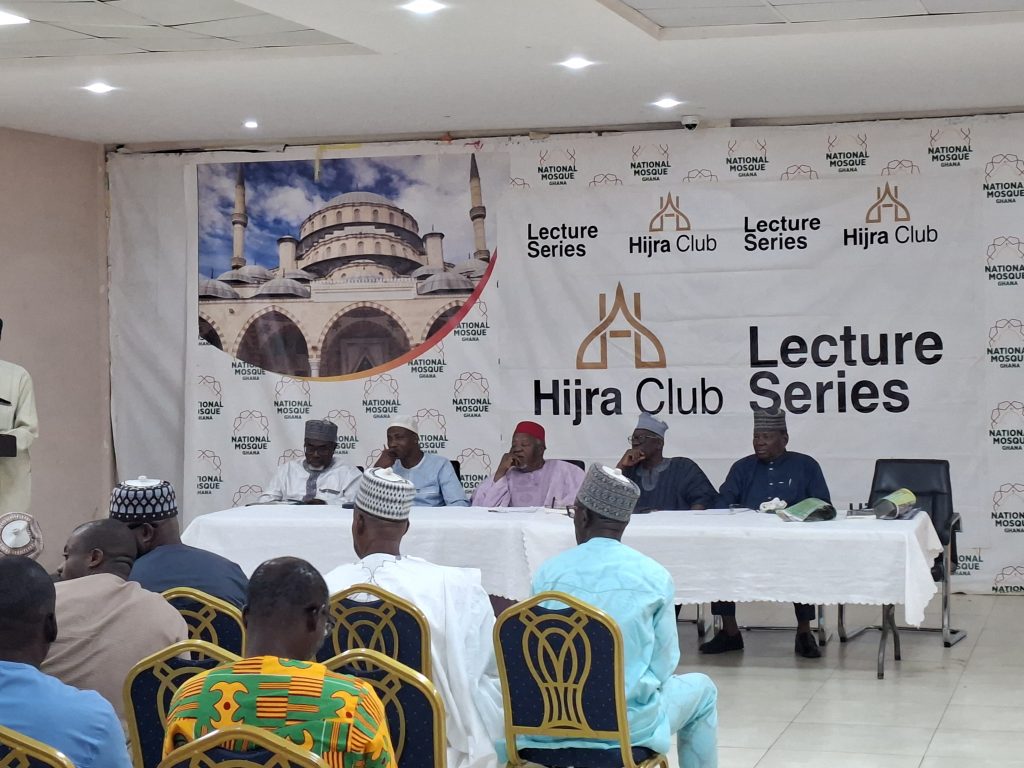
Dr Zagoon-Sayeed emphasised the need for parenting committees to guide mothers and fathers on their responsibilities, noting that many fathers rarely follow up on their children’s school attendance and academic progress, contributing to poor performance.
“No child should be allowed to miss classes without the knowledge of parents or teachers,” he said, adding that while many mothers participate in school activities, fathers often do not, creating gaps in educational support.
Dr Zagoon-Sayeed called for a revival of the model Islamic school initiative introduced years ago to strengthen quality and provide a template for nationwide improvement.
Out of more than 2,000 Islamic schools, about 40 were initially selected to receive enhanced learning facilities, textbooks and infrastructure, leading to measurable improvements, he noted.
However, sustaining these gains had been difficult due to inadequate funding and limited community support.
Dr Zagoon-Sayeed appealed to Muslim organisations, philanthropists and development partners to revive support for the model school project, stressing that such institutions remained critical to preserving Islamic identity while delivering quality modern education.
He encouraged stronger collaboration between groups working on similar projects, urging them to pool resources and avoid duplicating efforts.
Dr Zagoon-Sayeed also called on community leaders to guide government assistance toward targeted educational needs.
Muslim stakeholders, he said, must prioritise infrastructure, learning materials and teacher development to ensure state support is effectively channelled to schools that need it most.
He expressed optimism that with unity, strategic planning and strengthened parental engagement, Muslim communities in Ghana could overcome existing educational challenges and build a resilient foundation for future generations.
GNA
Edited by Kenneth Sackey