By James Amoh Junior, GNA
Accra, March 11, GNA – Stakeholders have called for sustained investment in gender equality to build a safer, more inclusive and prosperous Ghana.
They said empowering women and girls through education, leadership opportunities and supportive policies would strengthen families, improve economic productivity and promote sustainable national development.
The call was made at the commemoration of the 2026 International Women’s Day (IWD) organised by the Kofi Annan International Peacekeeping Training Centre (KAIPTC) in Accra.
It was on the theme: “Investing in Gender Equality for a More Inclusive and Safer Ghana for All.”
The commemoration forms part of global efforts to reflect on progress made toward gender equality while mobilising renewed action to address the challenges that continue to limit the rights and opportunities of women and girls.
It brought together government officials, development partners, civil society organisations and more than 200 senior high school students from selected constituencies in the Greater Accra Region.
Madam Dorcas Affo-Toffey, the Deputy Minister for Transport, speaking at the event, said gender equality was not only a matter of fairness and human rights but also a strategic investment in the nation’s progress, stability and prosperity.
She noted that when women and girls were given equal opportunities through education, protection and economic empowerment, societies benefited through stronger families, healthier communities and a more productive economy.
“Simply put, when we invest in women and girls, we invest in the future of Ghana,” she said.
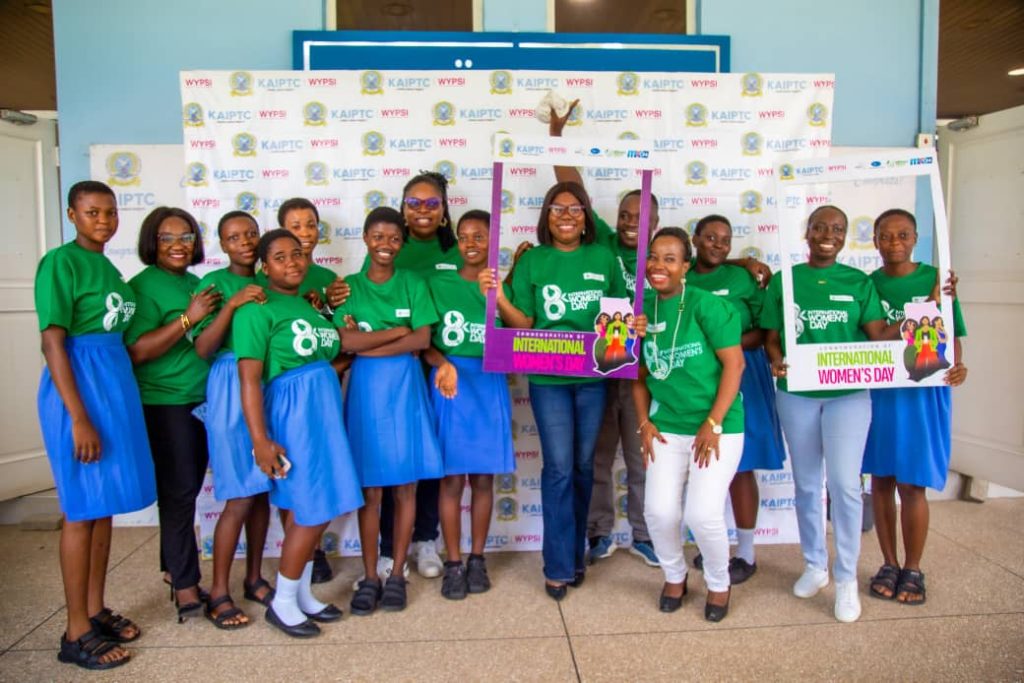
Madam Affo-Toffey acknowledged the significant contributions of Ghanaian women in sectors such as entrepreneurship, agriculture, public service, education and transportation, but said many women and girls still faced barriers that limited their full participation in national development.
These barriers, she noted, included unequal access to economic opportunities, underrepresentation in leadership and harmful cultural practices that restricted the potential of women and girls.
She called for increased public education and dialogue to challenge cultural norms that undermined the dignity and rights of women and girls, stressing that gender equality ultimately benefited both women and men.
The Deputy Minister said the transport sector was working to promote gender-responsive policies that addressed the mobility and safety needs of women and girls.
According to her, efforts were being made to improve safety within public transport systems, encourage women’s participation in the transport industry and provide training opportunities for young women interested in careers in logistics, engineering, aviation and maritime services.
She reaffirmed government’s commitment to strengthening policies that promote gender equality through frameworks such as the National Gender Policy and the Affirmative Action (Gender Equity) Act.
Madam Affo-Toffey said achieving gender equality required strong collaboration among government institutions, development partners, civil society and the youth.
Dr Efua Turkson, speaking on behalf of Dr Charity Binka, Chairperson of the African Women Leaders Network (AWLN) Ghana Chapter, said investing in women’s leadership was essential for peace, prosperity and sustainable development.
She said AWLN, established by the United Nations and the African Union, worked to promote intergenerational leadership, mentorship and advocacy for gender-responsive policies.
“When women lead, societies prosper,” she said.
Dr Turkson noted that although women in Ghana continued to make strides in governance, health, education, agriculture and entrepreneurship, many still faced challenges such as gender-based violence, economic inequality and marginalisation.
She stressed that gender equality should never be seen as a cost but rather an investment that strengthened communities and national development.
“When we invest in women and girls, families become healthier, communities become more resilient, economies become stronger and democracies become more inclusive,” she said.
Dr Turkson also urged young people, particularly girls, to pursue leadership roles and contribute actively to national development.
“Never allow anyone to tell you that leadership belongs to one gender. Your dreams are valid and your leadership is needed,” she said.
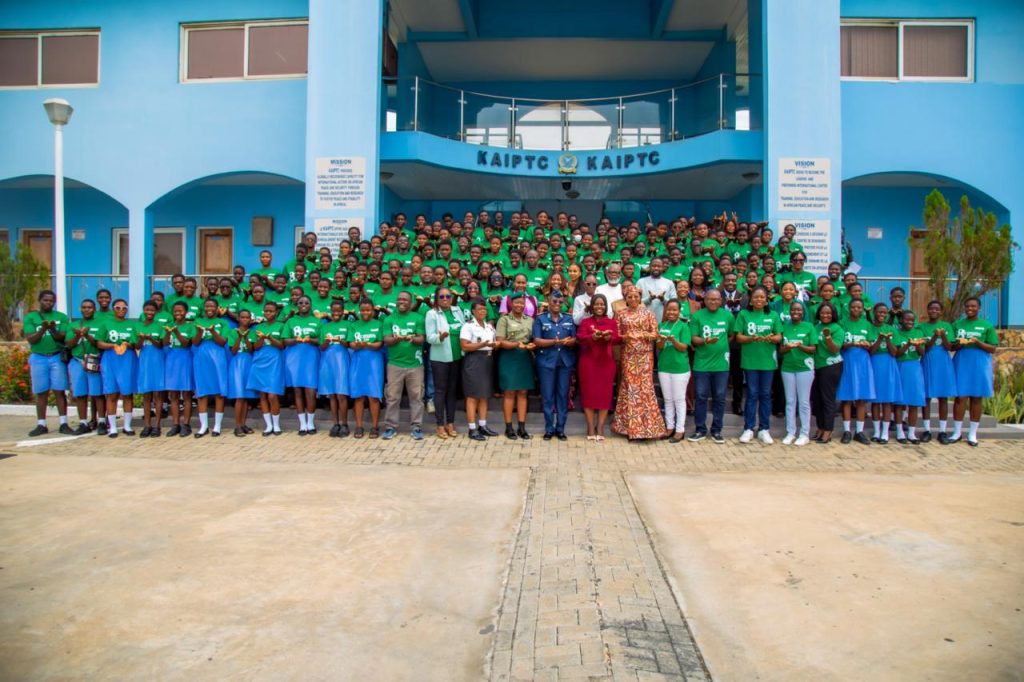
Ms Horname Noagbesenu, Acting Director of the Women, Youth, Peace and Security Institute (WYPSI) at KAIPTC, spoke on behalf of the Commandant, Air Vice Marshal David Anetey Akrong emphasised that gender equality was central to peace, security and sustainable development.
She noted that persistent challenges such as gender-based violence, economic inequality and limited leadership opportunities continued to affect women and girls.
It said the theme for the celebration, “Give to Gain,” encouraged individuals and institutions to invest their time, resources and influence in promoting equality and inclusion.
“When communities invest in girls’ education, nations gain innovation and economic growth. When we challenge harmful stereotypes, we gain peace, dignity and social harmony,” she said.
Ms Noagbesenu, also the Director of the Policy, Planning, Monitoring and Evaluation Department (PPMED) of KAIPTC, said the commemoration aimed to raise awareness among young people about the importance of gender equality and inspire them to become advocates for inclusion in their schools and communities.
She reaffirmed the commitment of the KAIPTC and its Women, Youth, Peace and Security Institute to advancing gender equity through research, policy engagement, advocacy and capacity-building initiatives across Ghana and Africa.
GNA
Edited by George-Ramsey Benamba