By Isaac Arkoh, GNA
Cape Coast, March 11, GNA – Mrs Gifty Adwoa Nyomi, Chief Executive Officer of Coastal Television in Cape Coast, has called for increased support and investment in women to unlock their full potentials and drive national development.
Speaking at Coastal Television’s forum to commemorate International Women’s Day 2026, she said that women played pivotal roles as family anchors, economic drivers, and innovators, adding that empowering them would significantly ease national growth, reduce poverty, and foster inclusive communities.
“Investing in women means investing in sustainable progress,” she emphasied, urging the private sector, government, and individuals to provide funding, mentorship, and policy reforms.
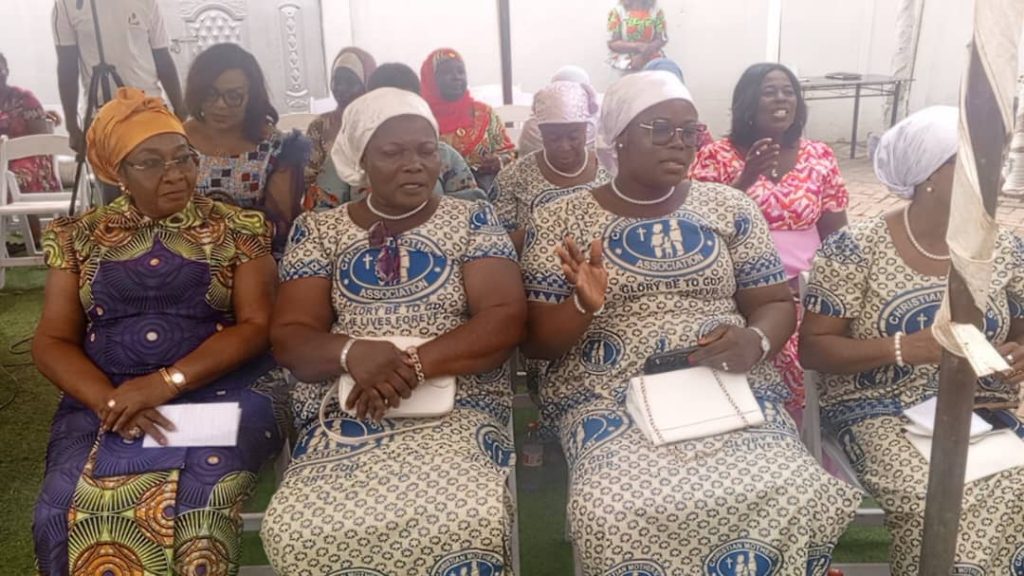
The event on the theme: “Give to gain”, drew an impressive gathering of industrious women from academia, entrepreneurship, education and Ministries, Departments and Agencies that fostered vibrant networking and inspiration among attendees.
The programme pulsed with cultural energy, featuring lively interactions through traditional Ghanaian dances like the energetic Kpanlogo and Adziwa, performed by the Centre of National Culture.
These were interspersed with soul-stirring songs and ministrations by the University of Cape Coast based “Mishy Effect,” including original compositions celebrating women’s resilience, leadership, and endeavours.
International Women’s Day began in the early 20th-century U.S. labour movements as National Woman’s Day on February 28, 1909, inspired by a garment workers’ strike, and was proposed internationally by Ms Clara Zetkin in 1910, with the first global observance on March 19, 1911.
The United Nations formalised March 8 in 1975 to honour women’s achievements and advocate for gender equality.
Mrs Nyomi said that the Day encapsulated the essence of what people could accomplish when they supported and uplifted one another.
She explained that giving, whether sharing resources, knowledge, or encouragement had created a ripple effect, enriching not only the lives of those supported but also their own.
She stated that people had gathered that day to celebrate the countless women who had exemplified this spirit of giving, as they had led movements, sparked change and inspired countless others.
However, she added that while celebrating, people had to reflect on the barriers that still existed and the work that remained to ensure every woman and girl had access to the resources and opportunities they deserved.
Mrs Nyomi called on people to use the Day as a call to action, urging them to invest in the women around them, share their voice, mentor a colleague, or contribute to initiatives that supported women’s empowerment.

Delivering the keynote address, Madam Richlove Amamoo, Central Regional Director of the Department of Gender said the celebration of the Day, provided both a moment of reflection and a platform to urge government, policymakers, and stakeholders to translate commitments into measurable outcomes.
She called for action to dismantle the structural barriers to equal justice, discriminatory laws, weak legal protections, and harmful practices and social norms that erode the rights of women and girls.
She further called for bold and coordinated efforts to confront systemic inequalities and advance gender justice.
Despite notable legal and policy reforms, she said many women and girls continued to face structural barriers such as discriminatory cultural practices, limited access to justice, economic exclusion, gender-based violence and entrenched social norms.
She said: “Women’s rights are not privileges. They are fundamental human rights. Every woman and every girl deserved equal access to education, healthcare, opportunities, and protection under the law.
Advocating justice for women, Madam Amamoo noted that Justice meant creating a society where women were safe from violence, where harmful practices were eliminated and where systems protected the dignity of every woman and girl.
She said women’s progress did not happen by chance but required deliberate steps, strong policies, responsible leadership, and active community participation.
Other speakers, including Assistant Chief Fire Officer Merinda Mary Attigah-Mensah, Central Regional Commander of the Ghana National Fire Service, and Nana Kobina Okuewiah I, who represented Osabarimba Kwesi Atta II, Omanhen of the Oguaa Traditional Area),
The rest were Mrs Caroline Owusu, New Patriotic Party Chairperson for Cape Coast South and Madam Rebeccah Koomson, Chief Executive Officer of Beckykay, who chaired the programme, took turns celebrating women and calling for their empowerment.
Nana Okuewiah emphasised traditional leaders’ role in upholding women’s rights through cultural advocacy and community support, urging chiefs to prioritise girls’ education and economic inclusion.
They speakers also highlighted political stakeholders’ duty to nominate more women for leadership positions, stressing mentorship programmes to build confidence and policy influence.
They called on corporate and private sector players to provide skills training, funding access, and flexible work environments, positioning women as key drivers of national development.
GNA
Edited by Linda Asante Agyei