By Michael Foli Jackidy, GNA
Ho (V/R), March 8, GNA — The Department of Civil Engineering of the Ho Technical University (HTU) has organised its maiden Civil Engineering Homecoming and Professional Engagement programme, to bring together alumni, students, faculty members, and industry professionals to strengthen collaboration and mentorship within the profession.
The event, held at the University campus, was on the theme: “Bridging Generations: Engineering the Future Together.”
It was aimed to reconnect alumni with the Department, promote mentorship between past graduates and current students, showcase departmental achievements, strengthen industry–academia collaboration, and support infrastructure development initiatives within the region and beyond.
Mr Selorm Yao Tettey, Volta Regional Maintenance Engineer of the Department of Urban Roads, who delivered the keynote address on “The future of civil engineering and career pathways,” explained that civil engineering remained one of the most critical professions in national development.
Mr Tettey explained that infrastructure such as roads, bridges, drainage systems, water supply networks, and public facilities were products of engineers translating societal needs into practical solutions.
He observed that many developing countries, including Ghana, were investing heavily in infrastructure development such as road construction, urban drainage systems, bridges, sanitation facilities, and resilient transport systems to boost economic growth and improve living standards.
However, he indicated that the sector faced several challenges including limited and sometimes unpredictable funding, rapid urbanisation, encroachment on road reservations, environmental constraints, climate-related flooding, and maintenance backlogs due to ageing infrastructure.
“These challenges also present opportunities for the next generation of engineers,” he said, adding that the future of civil engineering would require multidisciplinary thinking, digital engineering tools, sustainable design approaches, and collaboration among engineers, planners, environmental scientists, and policymakers.
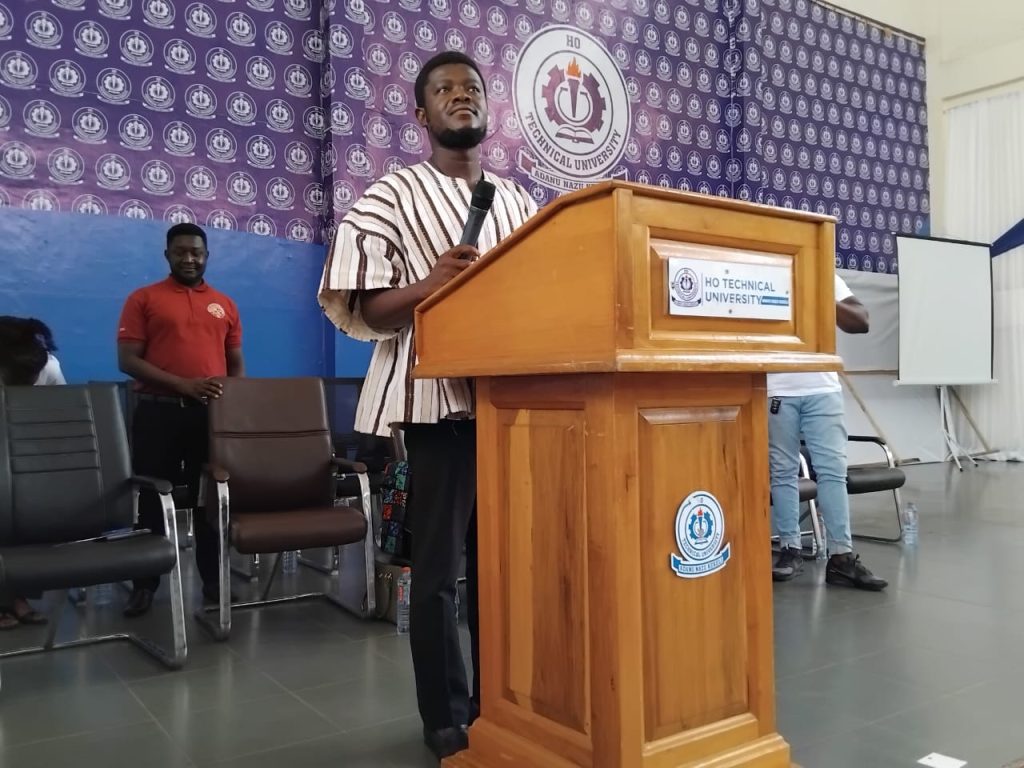
Mr Tettey encouraged students to take advantage of industrial attachments and internship programmes to bridge the gap between theory and practice.
He said partnerships between universities, government institutions, and private sector organisations were crucial in providing students with practical exposure in areas such as site supervision, surveying, traffic studies, drainage design, and project monitoring.
The keynote speaker also highlighted the importance of applied research in addressing engineering challenges such as urban flooding, traffic congestion, pavement deterioration, and sustainable drainage systems.
“Civil engineering is ultimately about service to society. The infrastructure you design will shape cities, economies, and livelihoods,” he told the students, urging them to build strong technical knowledge, embrace innovation, and maintain integrity in their professional careers.
Professor Ben Honyenuga, Vice-Chancellor of Ho Technical University, commended the Department for initiating the Homecoming programme, noting that it was the first of its kind within the Faculty of Engineering.
He emphasised the importance of alumni engagement in the growth and development of the University and urged the old students to build strong bonds with current students through mentorship and professional guidance.
“You are already practising in the field, so it is important that you establish relationships with your junior colleagues and guide them so they can grow and achieve higher levels in the profession,” he said.
Prof. Maxwell Selase Akple, Dean of the Faculty of Engineering, also highlighted the crucial role alumni played in institutional development.
He encouraged them to give back to the Department through mentorship, networking, and resource support, adding that strong professional networks could help students secure industrial attachments, internships, and employment opportunities.
Prof. Akple urged students to actively build relationships with industry professionals and alumni, noting that networking often opens doors to opportunities that may otherwise be difficult to access.
Dr Mrs Patricia Asantewaa-Tannor, Head of the Civil Engineering Department, said the Homecoming was designed to reconnect graduates with their roots while creating opportunities for mentorship and collaboration.
She explained that the theme of the programme reflected the need for experienced professionals and young engineers to work together to address emerging challenges in infrastructure development.
“In a world where technology is advancing rapidly and infrastructure demands continue to grow, no single generation can build the future alone. We need the wisdom of experience and the energy of young engineers to work together,” she said.
She said the Department was making strides in innovation, citing a recent student project that developed a biochar-based solution which won first place in a competition and later placed third at the WineAffairs innovation event.
The team, she added, had been invited to exhibit their innovation at the upcoming Ghana Institution of Engineering Conference.
Dr Asantewaa-Tannor also appealed to stakeholders, including government officials and alumni, to support the Department in equipping its Civil Engineering laboratory with modern equipment to enhance practical training and research.
The ceremony featured breakout sessions where current students engaged alumni in experience-sharing and mentorship discussions.
GNA
Edited By Maxwell Awumah/Linda Asante Agyei