By Grace Yayra Kagatse
Accra, March 05, GNA – Ghana spends six billion cedis annually to manage waste and sanitation but more resources are needed for cleaner communities, according to the Environment for Development (EFD),University of Ghana.
A research findings of the group highlights the need for increased investment in waste management, citing significant economic and health benefits.
“Sanitation and waste management should be seen as an investment, not a residual expense,” says Professor Wisdom Akpalu, Director of EFD.
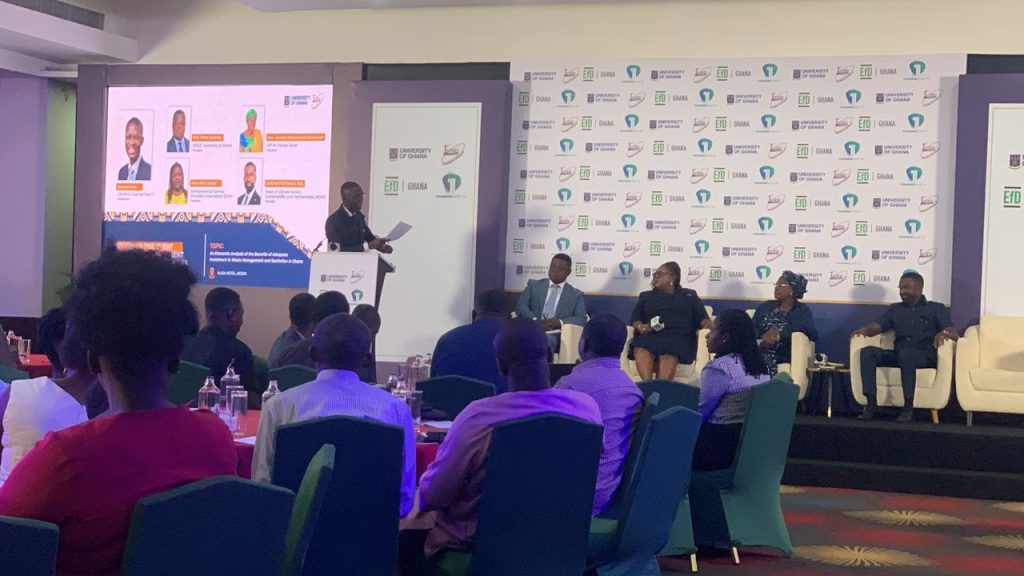
He was presenting the findings of a research project,” An Economic analysis of the benefits of adequate investment in waste management and sanitation in Ghana.”
He informed that, “For every GHS 1 invested, we get GHS 180 in returns. If we increase investment to recommended levels, returns could rise to GHS 556.”
The Research by the Environment for Development (EfD), an initiative by University of Ghana, further reveals that five key sanitation-related diseases—malaria, cholera, pneumonia, typhoid, and diarrhea—resulted in 107,000 premature deaths and nearly 32 million lost workdays every year.
The study argues that the nation currently treats sanitation as a “social residual” rather than a strategic investment, spending only about 38 GHS per ton of waste generated, which is far below the standards for a lower-middle-income country.
The economic case for a policy shift is backed by a high-yield multiplier effect.
Experts propose a “Best-Case Scenario” where investment is increased to 1,080 GHS per tonne of waste. While this requires a larger upfront budget, the model predicts a staggering return of 556 GHS for every 1 GHS invested. This shift would effectively wipe out nearly 97% of sanitation-related illnesses, potentially generating 58 billion GHS in total annual benefits by 2032 through saved medical expenses and a healthier, more productive workforce.
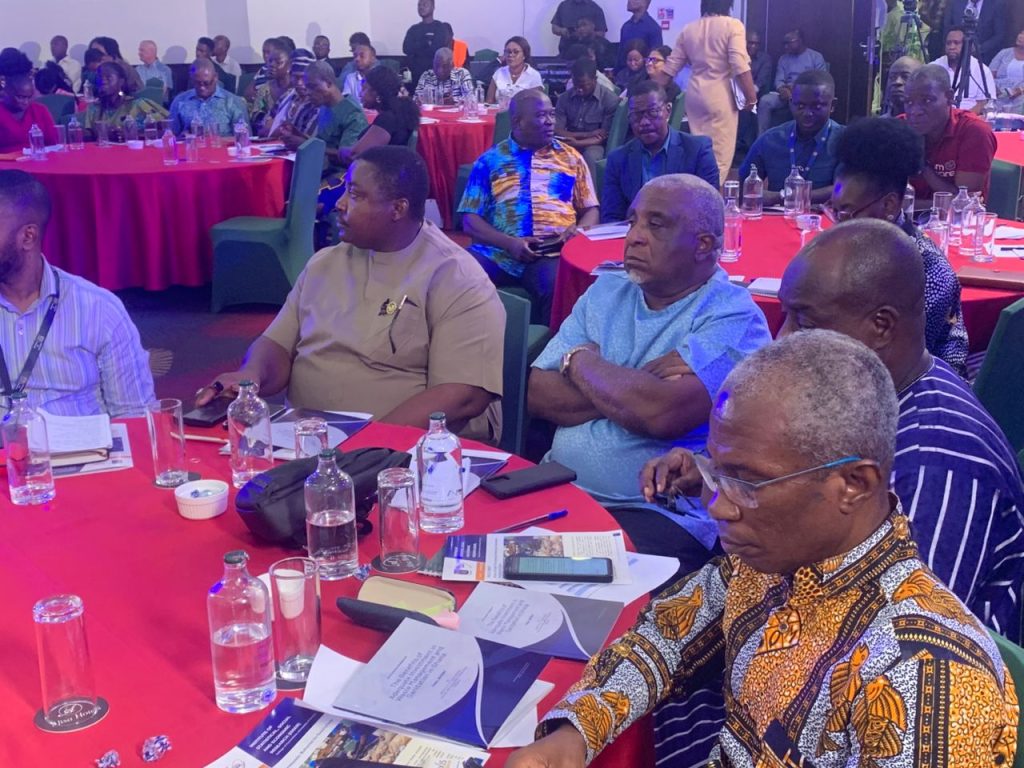
The study’s findings underscored the need for Ghana to prioritize waste management as an economic imperative, not just a social issue.
To achieve this, it recommends that Ghana needs to substantially increase investment in sanitation and waste management, focusing on high-risk areas like urban slums and flood-prone zones.
Strengthening local government capacity for data systems, planning, and budgeting is also crucial. By treating sanitation and waste management as an investment, Ghana can reap significant economic and health benefits, potentially saving billions of cedis and thousands of lives annually.
GNA
26th Feb.2026
Edited by Samuel Osei-Frempong