By Benjamin Akoto, GNA
Sunyani (Bono), March 2, GNA – The Ghana Center for Democratic Development (CDD-Ghana) says it is fine-tuning a draft model bill that will regulate political party financing and to strengthen and consolidate the gains of the nation’s multi-party democracy.
According to Mr Frederick Adu-Gyamfi, the Director of Programmes and Operations at the CDD-Ghana, the bill had been submitted to the Attorney-General, saying that from there it would be forwarded to parliament with government support.
The bill is designed to address gaps in the political system and help tackle the growing influences of monetisation and vote-buying, undermining the integrity of the nation’s electoral systems.
It further promotes transparency and accountability in the financing of political party activities and campaigns, Mr Adu-Gyamfi told the Ghana News Agency (GNA) in an interview on the sidelines of a stakeholder’s forum on the bill in Sunyani.
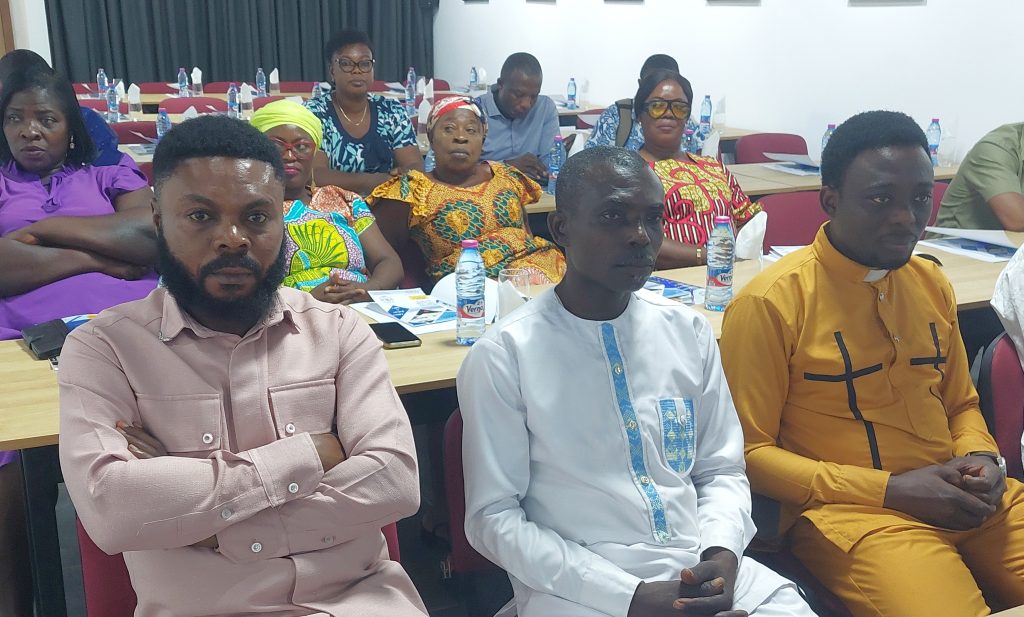
The CDD-Ghana in collaboration with the National Commission for Civic Education (NCCE) with support from the Foreign, Commonwealth and Development Office (FCDO) organised the forum to deepen public understanding and collect views and feedback to fine-tune the bill.
Key provisions in the bill include the establishment of an independent electoral financing and enforcement authority, introduction of expenditure ceilings for political campaigns, as well as definition of a clear campaign period for political activities.
Mr Adu-Gyamfi said the bill intended to address major challenges in the nation’s political financing system and called for public support towards the passage of the bill into law.
Miss Cynthia Anima Boadu, the Bono Regional Director of the NCCE, acknowledged progress made under the Fourth Republic, however, warned that “rising cost of political competition threatens democratic integrity”.
Hence the need for a comprehensive legal framework to regulate political campaign activities and financing.
Ms Boadu regretted that political campaign activities had increasingly been characterized by excessive spending, with limited transparency in funding sources.
A 2018 study conducted by the Westminster Foundation for Democracy (WFD) in partnership with CDD-Ghana showed that the cost in contesting for a parliamentary election in Ghana rose by 59 percent between 2012 and 2016, with candidates spending on average US$85,000.
Ms Boadu also referenced a 2020 follow-up study by CDD-Ghana, supported by Adam Smith International (ASI), saying that the study reported a significant increase in campaign expenditure to about GHC4 million, including funds used to “nurture” constituencies.
“The study reveals further that a substantial portion of political campaign financing comes from opaque and potentially illicit sources, some allegedly linked to organised crime,” she stated.
Ms Boadu expressed concern about the weak enforcement of the 1992 Constitution and the Political Parties Act, 2000 (Act 574) that provided a framework for regulating political financing.
She said that: “The absence of defined spending limits, donation caps and strict disclosure requirements allow unreported and illicit funds to influence political campaign activities in the country”.
Ms Boadu called for comprehensive campaign finance reforms to protect the nation’s electoral integrity, curb corruption, and enhance transparency in democratic processes.
GNA
Edited by Dennis Peprah/Linda Asante Agyei