Accra, Feb 25, GNA – Ghana’s delegation to the 50th Anniversary of the Maritime Organization of West and Central Africa (MOWCA) in Banjul, the Gambia, turned the spotlight on national heritage as a tool for trade enhancement.
Sporting the fugu, Mr Joseph Bukari Nikpe, the Minister for Transport, and Dr Kamal-Deen Ali, the Director General of the Ghana Maritime Authority (GMA), took advantage of the high-level industry summit to promote both Ghana’s hand-woven traditional wear and its premium chocolate.
In a strategic blend of maritime policy and cultural diplomacy the high-level Ghanaian officials took the initiative in a bid to position the iconic products as key examples of value-added trade opportunities under the African Continental Free Trade Area (AfCFTA).
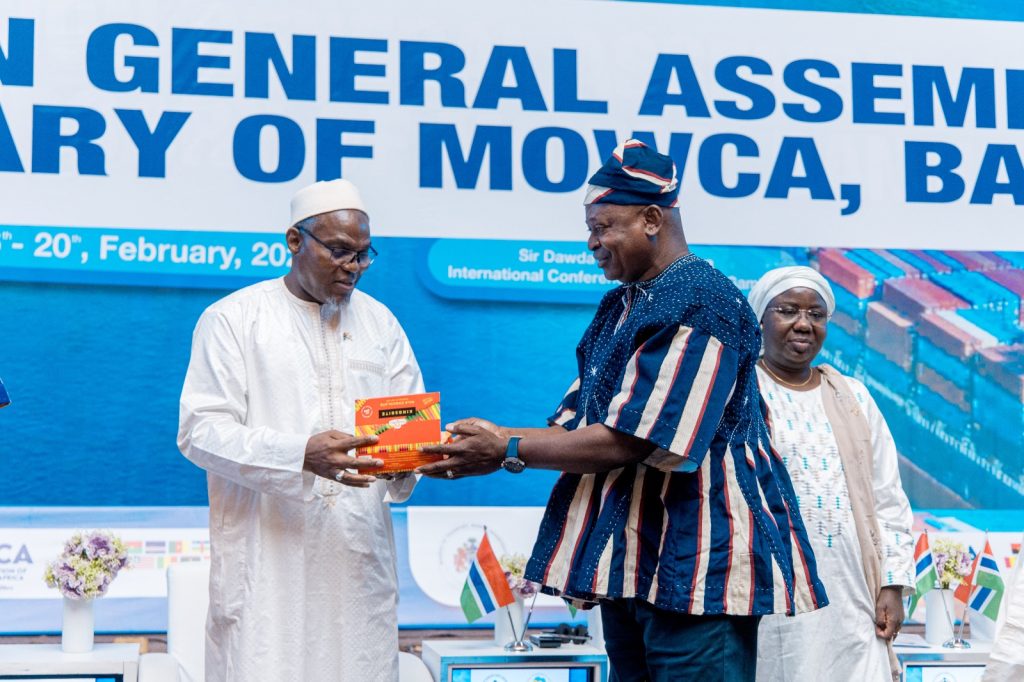
The celebrations, on the theme “Fostering Effective Civil Services, High Safety Standards, and Low Pollution”, brought together delegates from 20 out of the 25 member states across West and Central Africa.
The discussions underscored collective action as the only viable path to implementing green port initiatives and adopting the emerging technologies necessary for a resilient maritime transport system in the sub-region.
Established in 1975, Maritime Organization of West and Central Africa (MOWCA) is the primary intergovernmental body dedicated to maritime transport in the sub-region.
The organization unifies 25 member states, stretching from Mauritania to Angola, comprising 20 coastal nations and five landlocked countries that depend on regional ports for trade.
The summit balanced discussions on urgent security concerns with long-term industrial growth.
The establishment of the Regional Maritime Development Bank was a major point of focus, with member states urging for its speedy execution, to provide sustainable financing for member states to acquire their own vessels, modernize port infrastructure to reducing reliance on foreign fleets and foreign maritime infrastructure.
Member states were encouraged to harmonize policies, pool resources, and strengthen regional institutions to build a more efficient and resilient maritime transport system.
Key areas identified for collaboration included green port initiatives, maritime education and training, adoption of emerging technologies, and environmental protection.
The Gambia’s Minister for Transport, Works, and Infrastructure, Ebrima Sillah, assumed MOWCA Chairmanship for a two-year term, taking over from Ingrid Olga Ebouka-Babakas, Minister of Planning, Statistics, and Regional Integration of the Republic of Congo.
Dressed in the distinctive Fugu, Mr Nikpe, who delivered a speech on behalf of Ghana’s President, John Dramani Mahama, reminded the delegates that regional integration was as much about cultural and commodity exchange as it was about shipping lanes.
The “soft power” approach complemented the technical sessions of the 19th Ordinary Session, where Ghana joined other member states in reaffirming a commitment to revitalizing MOWCA’s operations and strengthening institutional effectiveness.
The Minister highlighted Ghana’s proactive maritime agenda, noting that national efforts are being bolstered by massive investments in port modernization and reforms in maritime administration.
“The upcoming coastal transport services designed to link Accra, Lomé, Cotonou, and Lagos, a project being spearheaded by Ghana is expected to drastically improve connectivity and lower trade barriers across the sub-region”, Mr Nikpe said.
He congratulated the newly elected Chairman and emphasized the need for a unified African voice in global maritime governance.
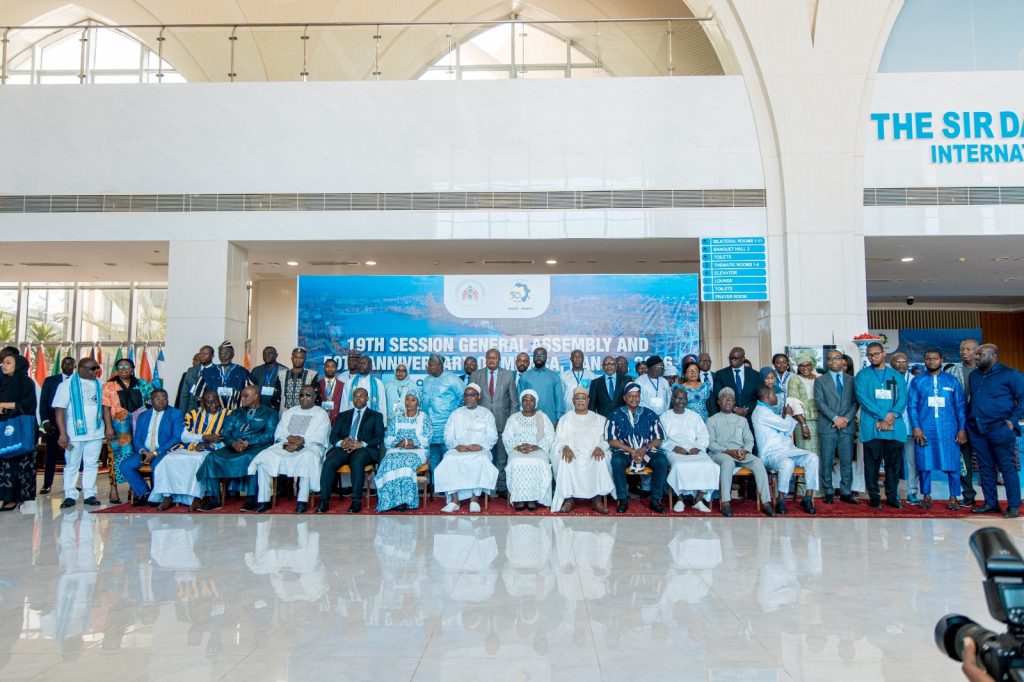
For his part, Dr Kamal-Deen Ali, the Director General of GMA, noted that the advancements being made in coastal water transportation to link the sub-region were supported by a focus on seafarer development and enhanced security coordination to protect the blue economy from emerging threats like piracy and cyber-attacks.
As the global shipping industry pivots toward decarbonization and automation, Dr Ali urged MOWCA member states to harmonize their policies and share collective resources such as technology, funding, and expertise to remain competitive.
GNA