By James Amoh Junior
Accra, Feb 17, GNA – The Artificial Intelligence for Sustainable Development (AI4SD) project has marked its first anniversary, showcasing initiatives aimed at strengthening artificial intelligence research, training and innovation in Ghana.
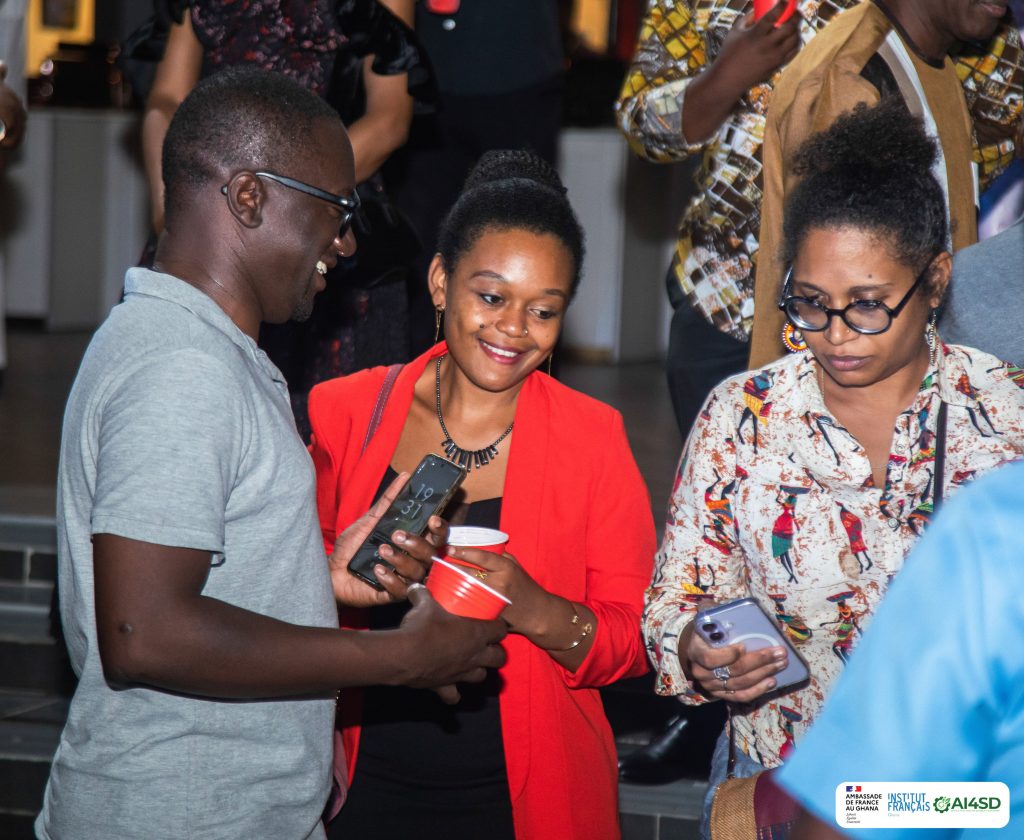
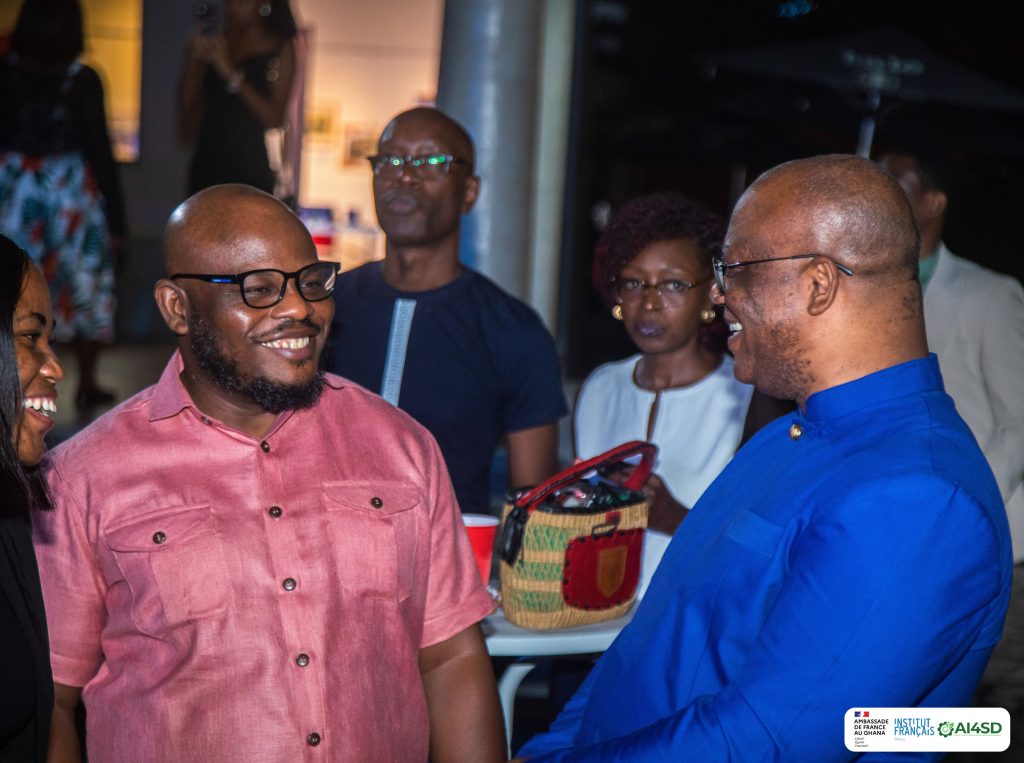
The anniversary celebration, held at the Alliance Française d’Accra, brought together researchers, students, start-ups, NGOs and private sector actors within Ghana’s growing technology ecosystem to review progress and explore new opportunities for collaboration.
Funded by the French Embassy in Ghana, the AI4SD project is being implemented in partnership with the Kwame Nkrumah University of Science and Technology (KNUST), the Ghana Atomic Energy Commission (GAEC), Université Paris-Saclay and the French National Centre for Scientific Research (CNRS).

AI4SD aims to support research, training and innovation in artificial intelligence in Ghana as part of broader efforts to harness digital technology for sustainable development.
Over the past year, the project has rolled out a number of initiatives, including the SheCodes programme at Takoradi Technical University and Kumasi Technical University, the establishment of 14 robotics clubs across the country, training programmes for small and medium-sized enterprises, and an innovation competition to promote AI-driven solutions.
The event featured exhibitions of innovations developed under the AI4SD ecosystem, including SignTalk, crop disease detection tools, AI solutions for rare diseases, water treatment for galamsey, and applications of AI in education.
A private sector exhibition by StemAIDE also showcased STEM-focused solutions.
Organisers said the exhibitions demonstrated practical AI applications emerging from research, training and innovation activities supported by the project.
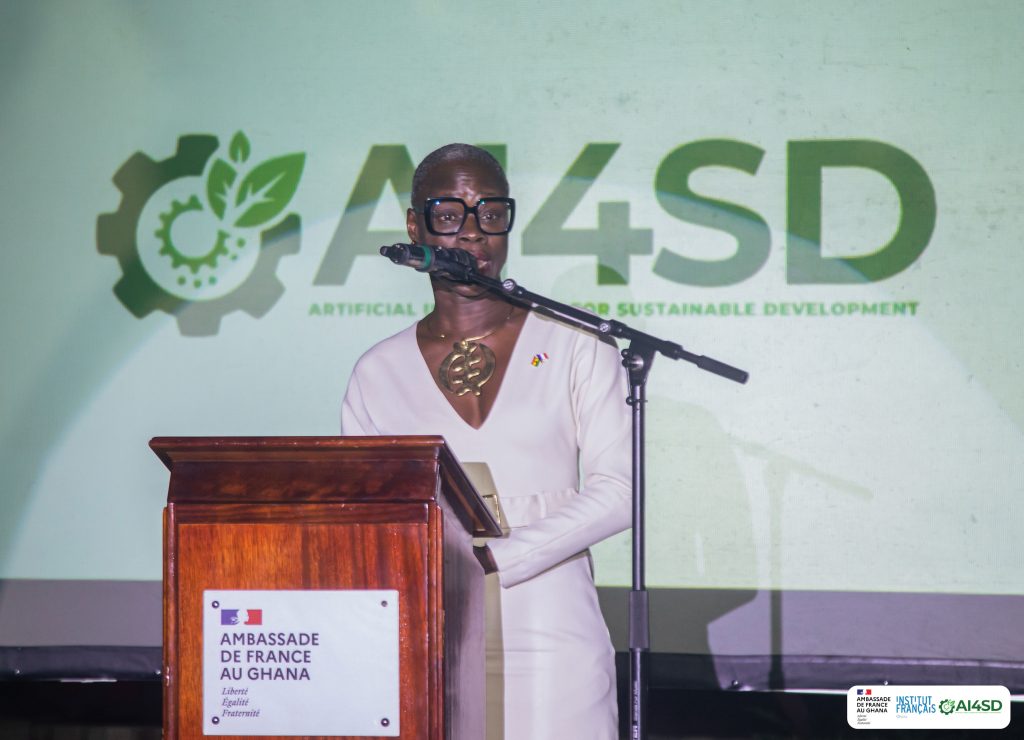
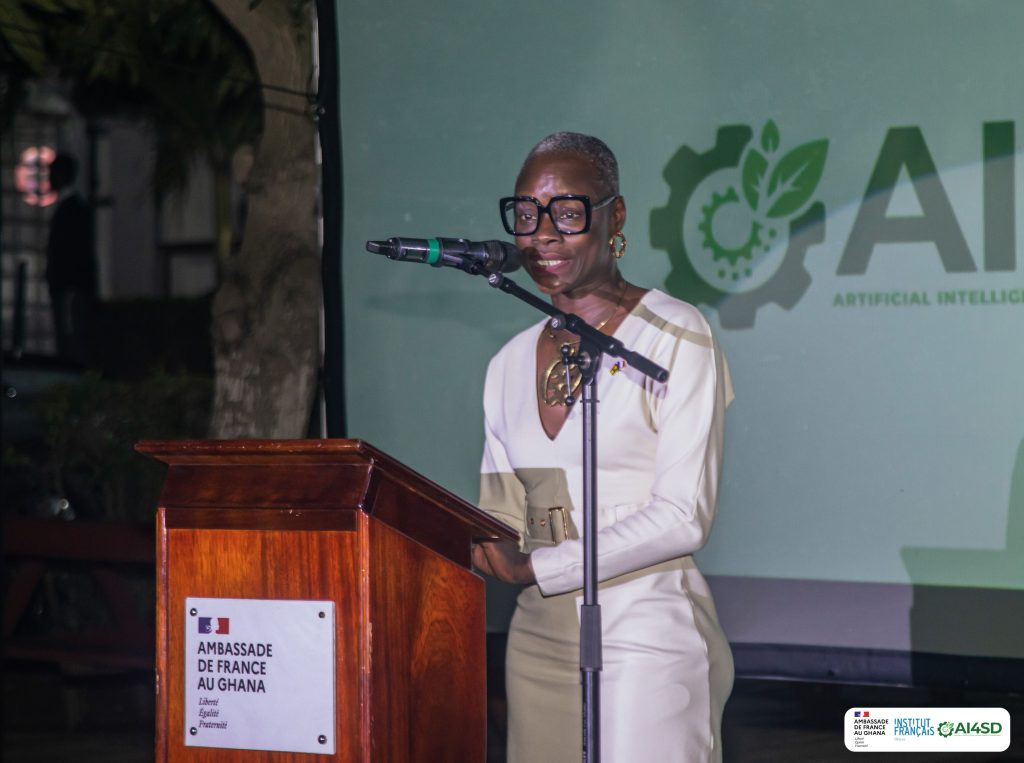
Madam Diarra Dimé-Labille, the French Ambassador to Ghana, said the project formed part of France’s commitment to promoting digital innovation and responsible artificial intelligence.
She said the initiative sought to create opportunities for young people by equipping them with skills to turn ideas into practical solutions.
The Ambassador stressed that gender inclusivity remained central to the programme to ensure more relevant and impactful innovation.
Professor Jerry John Kponyo, Project Lead for AI4SD at KNUST, expressed appreciation to the French Embassy and partners for their continued support.
He described the initiative as a clear demonstration of how collaboration could drive global development.
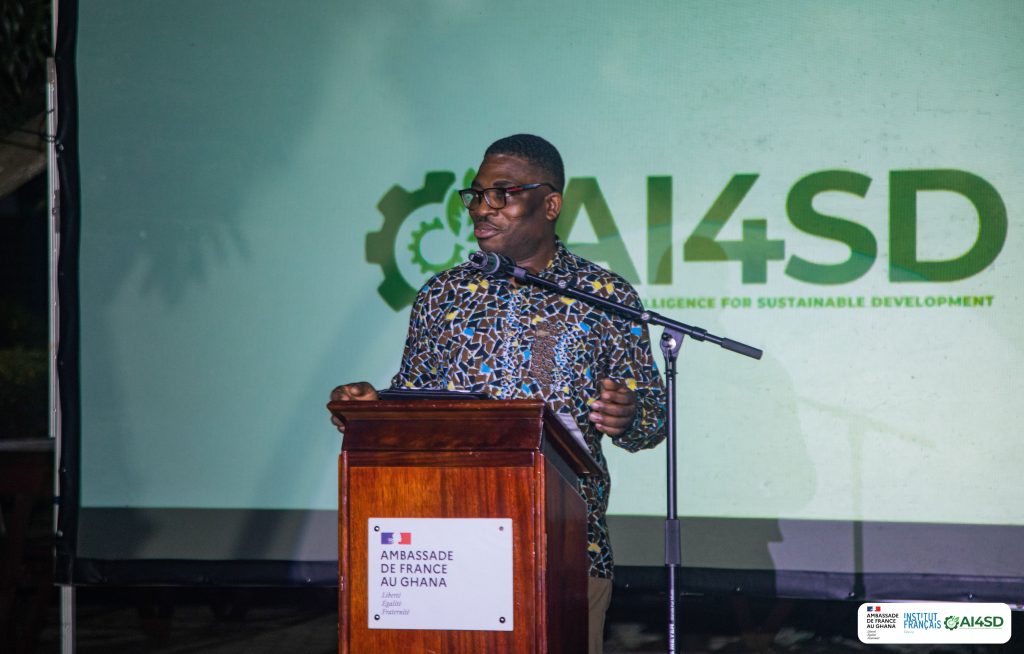
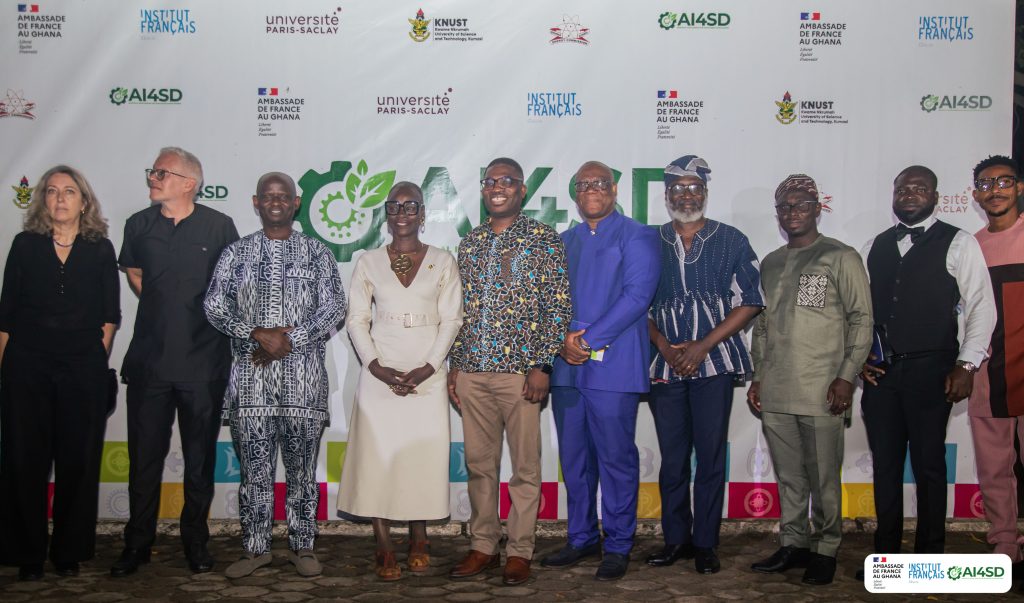
Dr Daniel Adjei, Fonds Équipe France (FEF)–AI4SD Project Lead at Université Paris-Saclay, said the project had made significant progress in engaging academia, training local talent and developing AI models tailored to Ghana’s needs.
The Director-General of the Ghana Atomic Energy Commission, Professor Samuel Boakye-Dampare, joined partners in reaffirming their commitment to the continued growth of the project.
GNA
Edited by George-Ramsey Benamba