By Kodjo Adams/Ernest Nutsugah, GNA
Accra, Dec. 6, GNA – Stakeholders and development partners on Thursday hailed the successful implementation of phase II of the Saving Lives and Livelihoods (SLL) project, which seeks to accelerate immunization across Africa and strengthen long-term health security.
The SLL project was implemented under the leadership of the Ministry of Health and its agencies with support from the Africa Centre for Disease Control (CDC), in partnership with the Mastercard Foundation.
Ms Awa Dieng, the West Africa Regional Manager of Amref, an International NGO in Health Development, said the initiative had strengthened Ghana’s immunization systems.
Speaking at the Experiential Sharing Meeting held in Accra to discuss outcomes of the project, she noted that it had helped to protect communities, empowered health workers, and “brought partners closer to a future where every Ghanaian could access life-saving vaccines.”
Phase II has been the continuation of the commitments made under Phase I, but with a stronger focus on pandemic preparedness, routine immunization strengthening, and protection of healthcare workers, Ms Dieng said.
She said Project II in Tamale, the Northern regional capital, delivered integrated immunization services through fixed, mobile, and advanced outreach strategies.
“Together, we reached 192,677 people with essential vaccines, including 159,179 adolescent girls receiving the HPV vaccines, 31,493 pregnant and lactating women, 188 healthcare workers, and over 1,800 individuals from other priority groups,” she said.
The figures, she stated, represented girls protected from cervical cancer, mothers and children safeguarded from preventable diseases, and communities strengthened through trust and access.
Ms Dieng said a major achievement of the phase II was the scale of capacity building, of which 1,860 health workers were trained, representing 178 per cent of the original target.
“Again, 2,494 outreach services were conducted, representing 133.2 per cent of the original target of 1,872, a testament to the commitment and resilience of our teams,” she noted.
The success of the phase II project reflected what was possible when government leadership, health workers efforts, partners, and communities were aligned and engaged, she added.
Dr James Duah, the Deputy Executive Director, Christian Health Association of Ghana, a partner of the project, said the Association trained 1,800 health personnel for the immunisation coverage in the Northern Region.
The programme achieved 92 per cent quality data assessment score and helped accelerate learning, especially in the local communities.
“So generally, it has been good. We actually hope that it continues and extended to other regions with low immunization coverage,” he said.
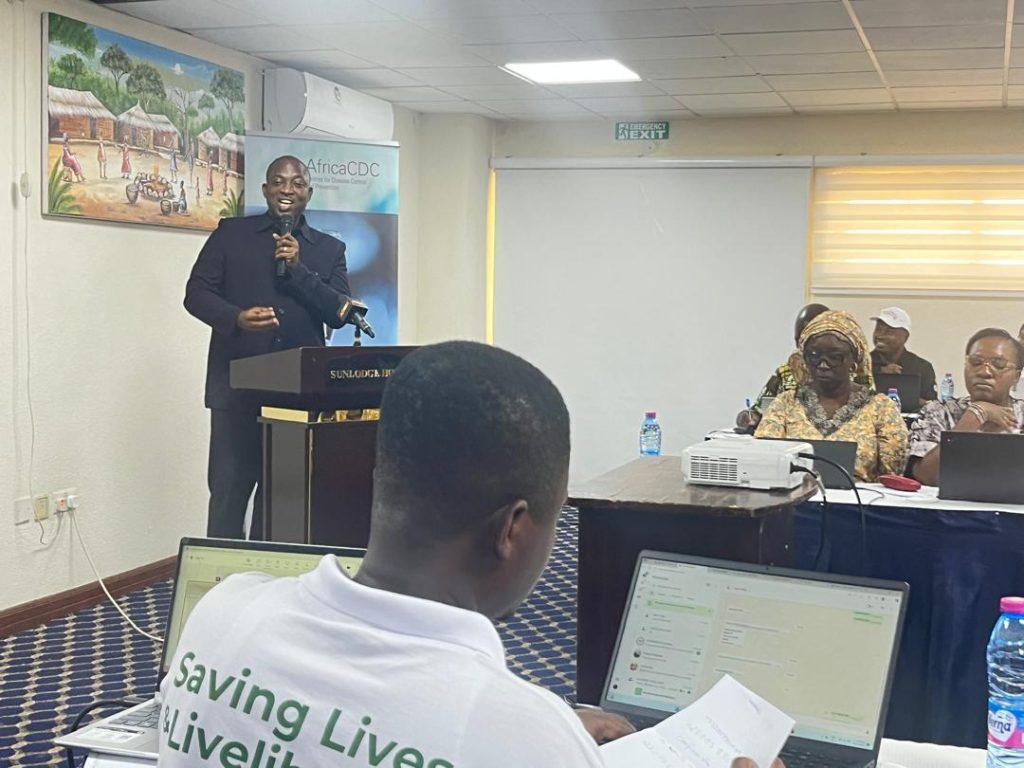
Mr Bekure Crispin, the Municipal Disease Control Officer for Nanumba North, Northern Region, said that through the SLL support, three additional outreach visits were made to each of the three hard-to-reach communities.
Between July and September 2025, a total of 123 children under five were vaccinated across the three communities (Balando, Lompe, and Wassando) compared to 70 children in 2024.
Mr Mark Ayaaba Abugri, District Director of Health Services, Sagnarigu, said among other things, the project improved the knowledge of the health staff in the Expanded Programme on Immunization.
The meeting provided a platform for stakeholders, implementers, and partners to share their experiences, insights, and lessons learned from the project’s implementation.
Dr Desmond Boateng, Chief Director, Ministry of Health, in a speech read on his behalf, said the meeting would help inform future programme planning, promote best practices, and support continued collaboration towards strengthening immunization systems nationwide.
GNA
Edited by Agnes Boye-Doe