By Stanley Senya
Accra, Dec. 24, GNA – The John Ajet-Nasam family has donated 20 plastic chairs to the Agomeda Health Centre to help address the long-standing challenge of inadequate seating for patients and visitors at the facility.
The donation is to improve comfort for patients who often had to stand or sit on the floor while waiting to receive medical attention, particularly during peak clinic hours.
Speaking at a brief presentation ceremony, Mr John Ajet-Nasam, who spoke on behalf of the family, said the gesture was motivated by concern for the dignity and well-being of patients who relied on the health centre for primary healthcare services.
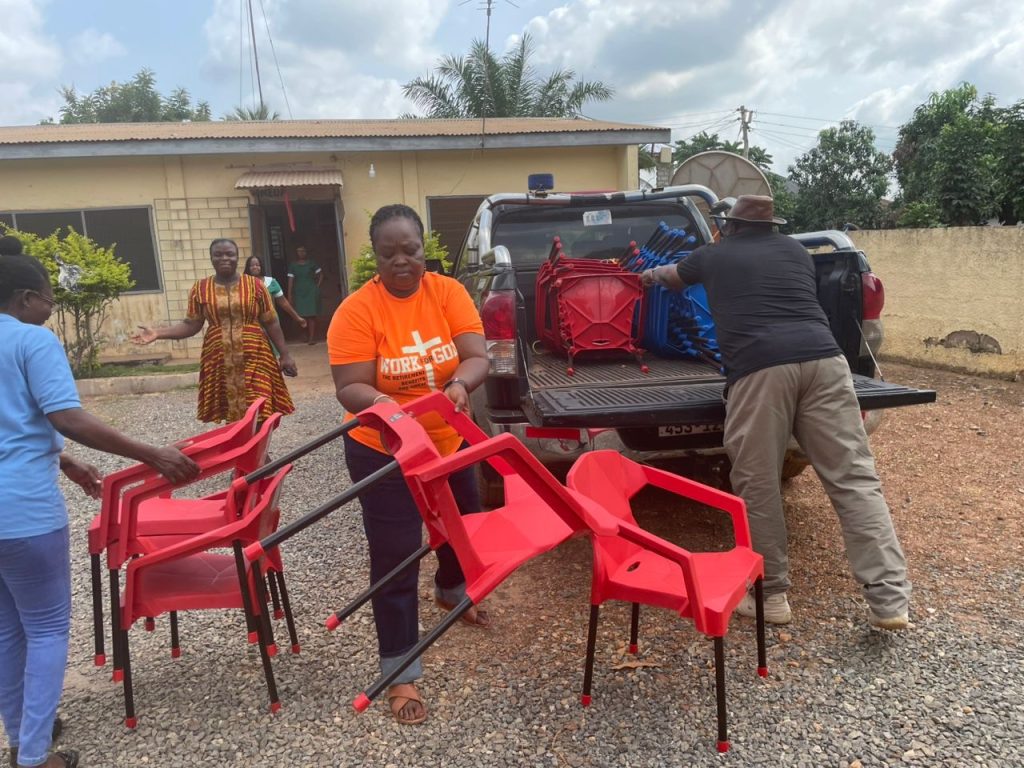
“Health facilities should be places of care and comfort, not discomfort, we noticed that many patients, including the elderly and expectant mothers, often had no proper seating while waiting. As a family, we felt compelled to contribute in a small but meaningful way to ease this situation,” Mr Ajet-Nasam said.
He added that the donation reflected the family’s belief in community support and shared responsibility, noting that improving conditions at the health centre would have a positive ripple effect on healthcare delivery in Agomeda.
“When patients are comfortable, it reduces stress and creates a better environment for both healthcare workers and those seeking care. We hope this donation will support the staff in their work and make visits to the facility more bearable for patients,” he said.
Receiving the items on behalf of the health centre, Madam Emily Boatey, Principal Physician Assistant, expressed appreciation to the John Ajet-Nasam family for their timely support.
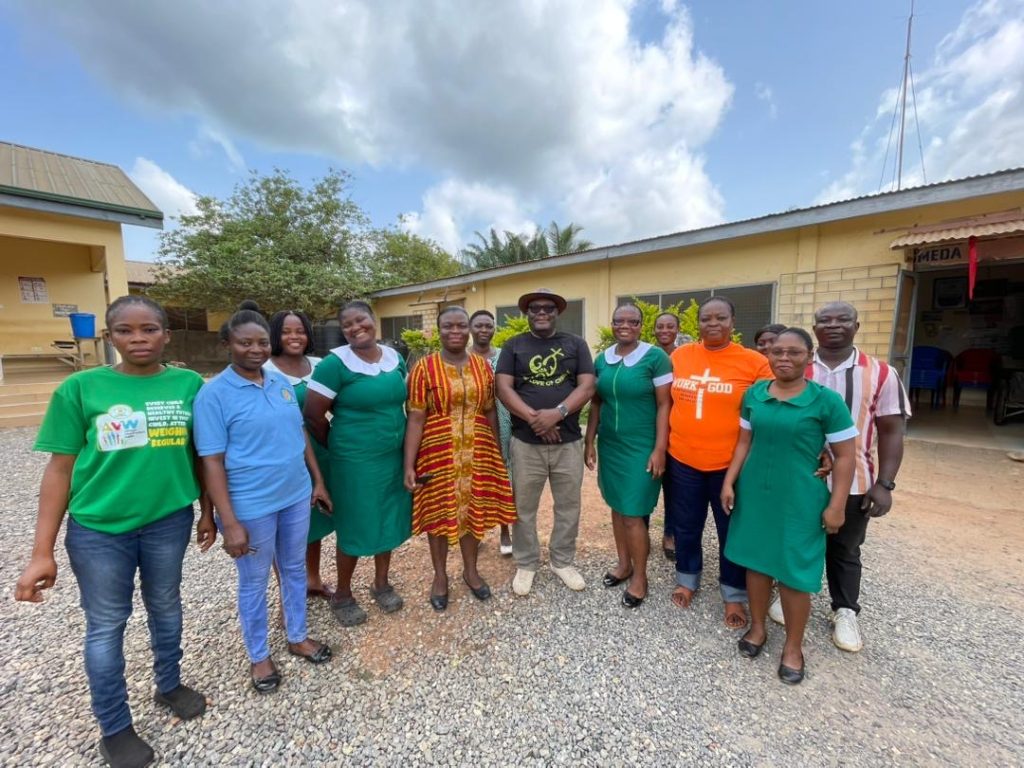
“We are very grateful for this donation,” Madam Boatey said. “The lack of adequate chairs has been a major challenge for us, especially on busy clinic days. These chairs will go a long way in improving patient comfort and the overall service experience.”
She noted that the health centre served a growing population and continues to face resource constraints, making community support crucial to its operations.
Madam Boatey also encouraged other individuals and families to emulate the gesture, emphasizing that partnerships between communities and health facilities were essential for strengthening primary healthcare delivery.
The donation forms part of broader efforts by private individuals and families to support public health facilities in rural and peri-urban communities, where limited resources often affect patient care and comfort.
GNA
Edited by George-Ramsey Benamba