By Anthony Adongo Apubeo
Bolgatanga, Dec. 9, GNA – The Ghana Anti-Corruption Coalition (GACC) has intensified its campaign to equip young people with the knowledge and skills needed to tackle corruption, urging them to “refuse, reject and report” corrupt practices wherever they encounter them.
As part of activities marking this year’s International Anti-Corruption Day, the Coalition, in partnership with TradeAID Integrated and with funding support from the Hewlett Foundation and GIZ, engaged young people in selected basic and second-cycle institutions in the Upper East Region.
The initiative formed part of efforts to sensitise students to the effects of corruption, its various forms, and the vital role young people could play in combating it to ensure sustainable development.
Students selected from schools in the Kassena-Nankana Municipality, Bolgatanga Municipality, Bongo, Kassena-Nankana West and Nabdam Districts were equipped with knowledge on how to identify and report corruption, as well as the appropriate institutions to which suspected cases should be reported for investigation and action.
Speaking to students of the Bolgatanga Girls Senior High School (BOGISS), Mr Emmanuel Anafo, Upper East Regional Focal Person for the GACC, said the outreach formed part of a deliberate strategy to target students in basic and second-cycle institutions because attitudes toward integrity and accountability were still developing at that stage.
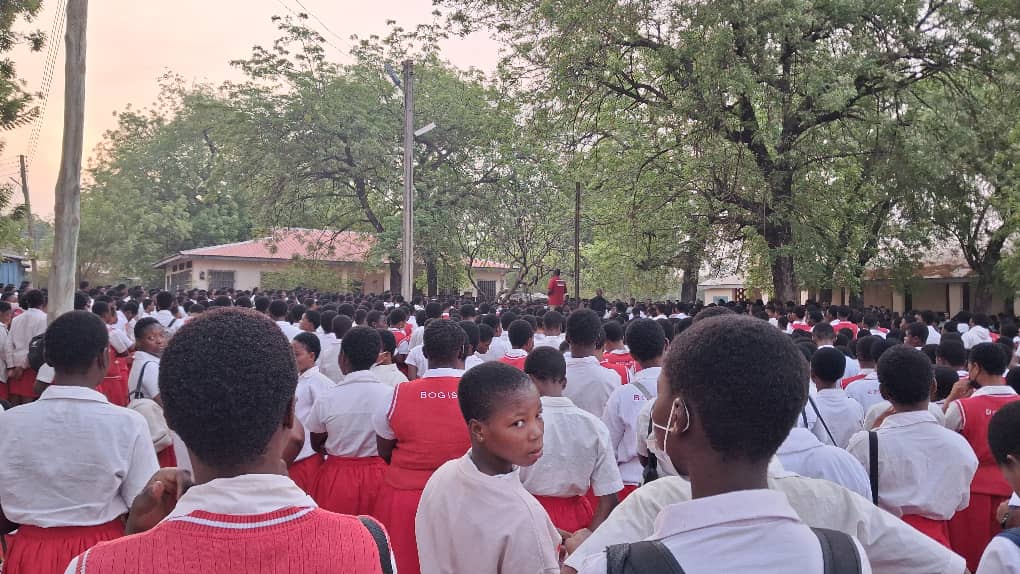
“Corruption is pervasive in our country today, and we believe that dealing with it requires going back to the foundation,” he said. “When we shape the attitudes of young people now, we strengthen the future fight against corruption.”
Mr Anafo explained that the campaign focused on deepening students’ understanding of corruption, its various forms, and its damaging effects on national development and encouraged the students to be active citizens by interrogating public expenditure and paying attention to issues such as government projects and audit reports.
“We also recognise that many citizens are unconcerned about issues of corruption. People don’t read the Auditor-General’s report, and we hardly hold the government accountable. We want young people to be different, more alert, more questioning and more involved,” he added.
The students were also taken through reporting channels, including dedicated phone lines of the Office of the Special Prosecutor and provisions under the Whistleblowers Act, which guarantees confidentiality and rewards whistleblowers with 10 per cent of recovered funds.
Mr Anafo said these efforts aimed to embolden young people to report suspicious activities without fear of intimidation. He encouraged students to start practising integrity even in small roles such as class prefects, emphasising fairness and accountability as foundations for responsible leadership.
“We expect that whether in school, at home, or in their communities, they will begin to demonstrate a changed attitude. If young people start questioning things like abandoned road projects or unexplained government expenditure, we will be taking major steps towards curbing corruption in Ghana,” he added.
The students expressed gratitude for the education and pledged to share the knowledge gained with their peers at home and in school to help strengthen the fight against corruption.
Ms Blessing Timbil, a student of BOGISS, said she felt empowered and motivated to report suspected cases to anti-corruption institutions, knowing that her identity would be protected.
“I will also educate my colleagues both at home and in school so that we can help fight corruption, which has destroyed this country over the years,” she said.
Ms Jamilatu Muniru, another student of BOGISS, urged her colleagues to cultivate the values of integrity and honesty, noting that these were essential traits in the fight against corruption.
GNA
Edited by Caesar Abagali/Christian Akorlie Dec. 9, 2025