By Daniel Adu Darko
Accra, Nov. 26 — The thunder of motorcycle engines often sends a familiar message to the public; noise, recklessness, or danger.
But for members of the Ryders Don’t Play (RDP) Motorcycle Club, these assumptions are exactly what they are working to change in Ghana.
RDP Ghana, the first African chapter of the international club founded in the United States, is made up of professionals, family men, creatives and entrepreneurs. Its Vice President, Emmanuel Nyarkoh Hanson, a.k.a Rock, is a lecturer at the University of Education, Winneba, and a 3D artist, a profile far from society’s stereotypical image of a biker.
Speaking to the Ghana News Agency, Rock said the club was established in 2004 in the U.S. by four brothers who wanted to create a motorcycle group rooted in service and discipline rather than violence.
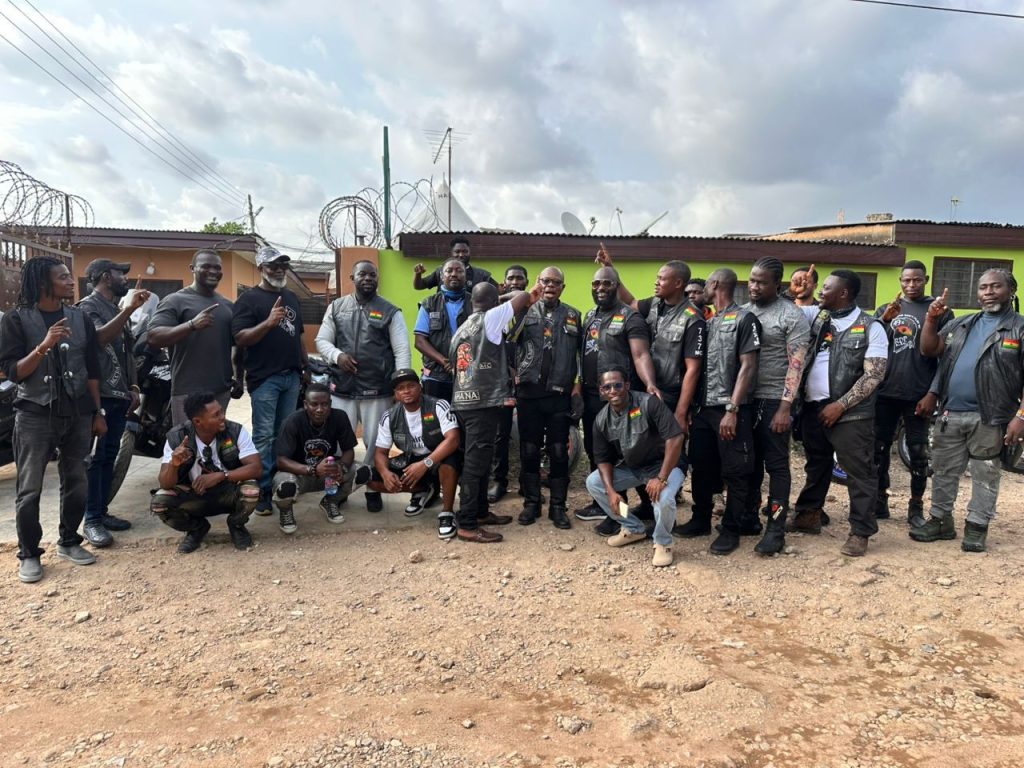
“Five years ago, our founder sought permission to establish a chapter in Africa, and Ghana became the first,” he said.
“Today, RDP has chapters across all 50 states in the U.S., and new branches are emerging in India and Ukraine,” he added.
But the heart of RDP’s mission, he said, was helping the vulnerable.
“RDP is a motorcycle club, but beyond our biking culture, we support the needy. We recently made a donation to an Islamic orphanage at Accra Newtown, Kotobabi, and it was a deeply moving experience. Other rider groups and individuals joined us, showing the strength of community. We have been helping several orphanage homes in Ghana,” he noted.
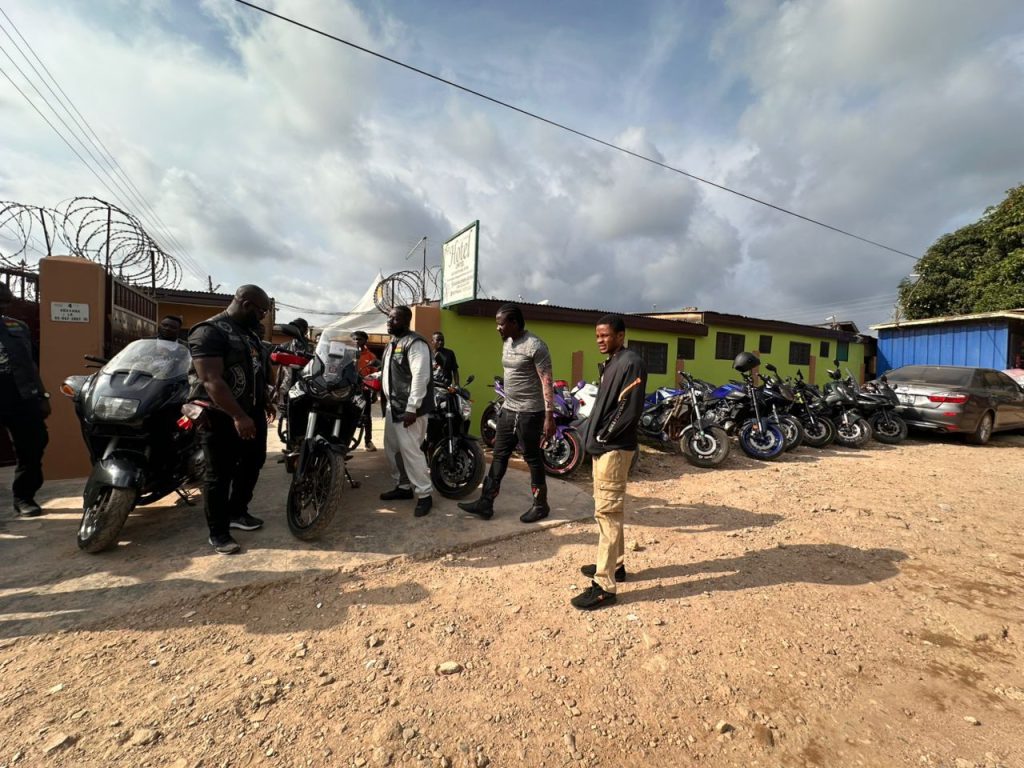
For Rock, changing public perception about bikers is now a core priority.
“Seeing someone on a motorbike doesn’t mean the person is a truant,” he said.
“Owning a bike is expensive. All of us are professionals with families. We have engineers, architects, teachers, military officers, and directors. I have owned expensive cars, yet I prefer my bike,” he emphasised.
He said the club intended to lead a nationwide campaign next year to show that motorcyclists are “responsible members of society” and challenge practices that lead to unnecessary amputations in motorcycle accident cases.
A strong sense of family is what keeps riders loyal to the club, he added.
“Brotherhood is one of our biggest assets,” he explained. “We rely on each other’s skills and support. When riding, we never leave anyone behind. That bond is priceless.”
The club funds its charitable work through member dues, donations from well-wishers, and limited merchandise sales. International members also support major donation activities.
The club is now seeking partnerships with corporate organisations to expand its impact.
“We share similar goals, including community support and road safety awareness. Corporate collaborations would help us reach more people,” Mr Hanson said.
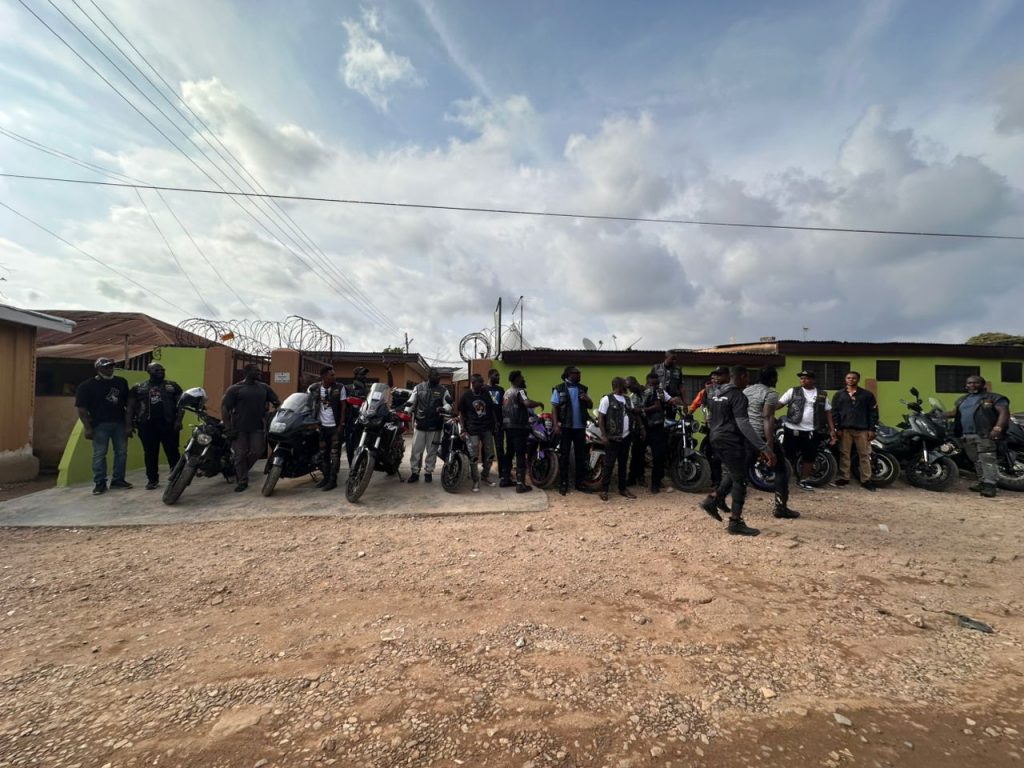
RDP’s Secretary, Martin Odoi, a.k.a Don, a Cultural Officer under the National Commission on Culture, said the club stands out because it operated with strict discipline and global recognition.
“Our motto is ‘Respect is earned, not given. We treat every member equally. Whether rich or poor, respect is compulsory,” he said.
Don said giving back to society was a spiritual obligation for the club.
“God has blessed us, so we must also help the less privileged. We support children’s homes regularly, and this Christmas we hope to give as much as we can to put smiles on people’s faces,” he said.
Joining the club, however, demands more than a love for biking. Prospective members must be at least 18, own a bike with 600 horsepower or more, pass a background check, and complete a one-year probation period to test discipline, commitment and temperament.
RDP Ghana currently has 45 members, with only 15 having earned full membership status.
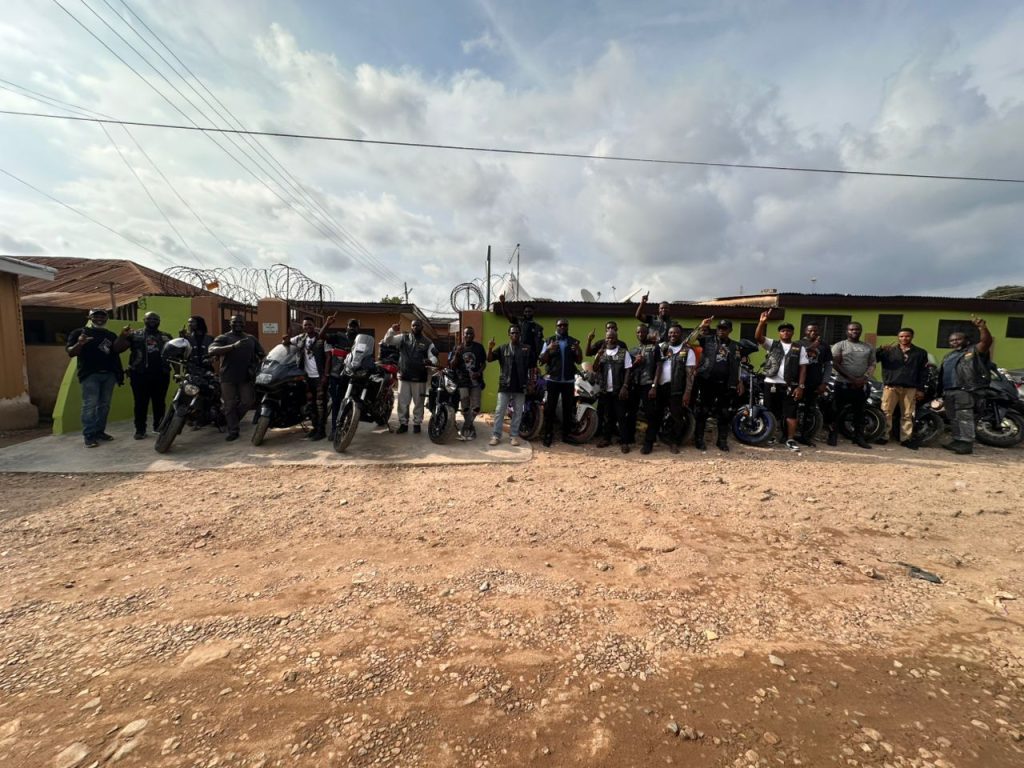
“If you want a disciplined, purposeful riding community, RDP is the place. But without self-control, you cannot be part of this brotherhood,” Don said.
As the Ghana chapter marks six years, its members say they remain committed to transforming the narrative around motorcyclists while using their passion to uplift vulnerable communities.
GNA
Christian Akorlie