By James Amoh Junior, GNA
Tamale (N/R), Nov. 23, GNA – The African Development Bank (AfDB) has expressed satisfaction over the swift and high-quality work in the renovation of the Northern Region office of the Ghana News Agency (GNA) in Tamale.
The Bank described the project as key milestone in strengthening Ghana’s capacity to combat misinformation and enhance reporting on health education, agriculture and agribusiness, as well as Medium Small and Micro Enterprises (MSMEs).
Valued at approximately GHS 1.3 million, the project was originally scheduled for completion in nine months, but the contractor delivered the refurbishment in just four and a half months.
The intervention is part of the Bank’s Post-COVID-19 Skills Development and Productivity Enhancement Project (PSDPEP), and has advanced far ahead of schedule.
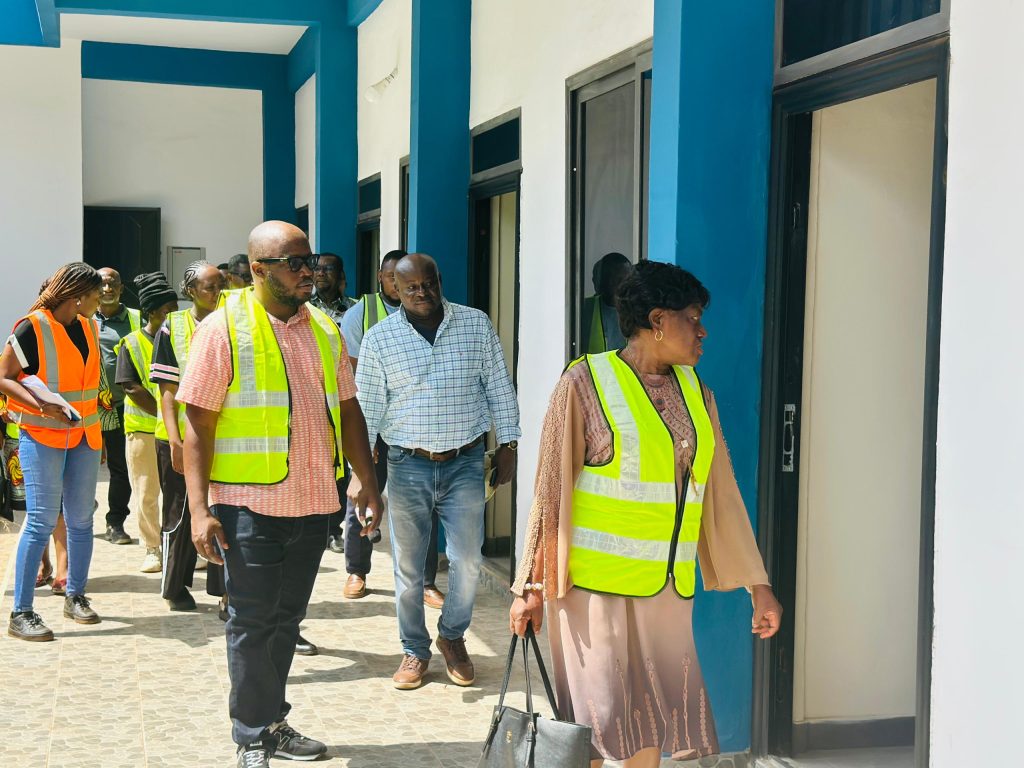
The rehabilitation of the Tamale office, which is about 88 per cent complete, forms part of a broader US$28 million AfDB-funded initiative aimed, among other objectives, at upgrading GNA’s infrastructure across five regional stations, digitising its systems, and training 144 staff and journalists.
The project is also designed to enhance national communication capacity in health, MSMEs, women’s empowerment, and development issues.
Dr Patience Ekoh-Ugonma, Principal Social Economist and Task Manager at the AfDB for the PSDPEP, said she was excited by the outstanding pace and quality of work delivered within such a short period.
She said the decision to invest in GNA was informed by the Agency’s critical role in providing accurate information to the public, especially during crises such as the COVID-19 pandemic when misinformation undermined public health efforts.
She noted that prior to the project, GNA offices were in a deteriorated state, lacked modern technology tools, and faced severe infrastructural challenges that limited its ability to counter falsehoods effectively.
“Their buildings were uninhabitable, collapsing ceilings, no toilet facilities, outdated equipment, yet they were expected to match global news agencies in disseminating accurate information. So rehabilitating and equipping GNA was necessary,” she said.
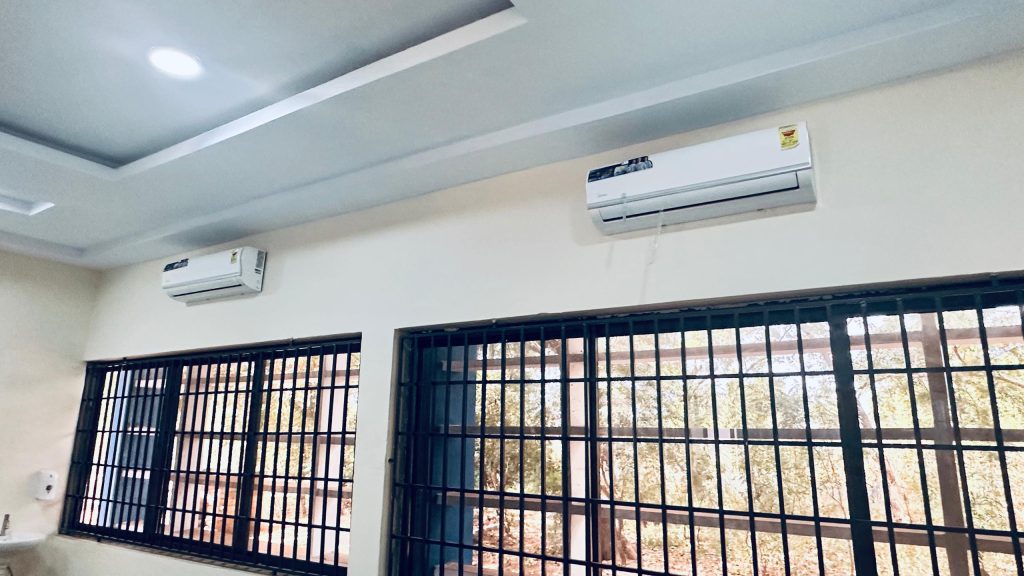
Dr Ekoh-Ugonma said the Bank was also impressed with the contractor’s ability to complete the physical works in four months instead of the scheduled eight months.
She added that midterm assessments of the PSDPEP showed remarkable progress, with scholarships awarded to university students, journalists undergoing specialised health and MSMEs reporting training, and over 3,000 people, 70 percent of them women, benefiting from the microcredit facility under the project.
Mr Abass-Adams Nurudeen, Chief Executive Officer of the Social Investment Fund (SIF) and Project Coordinator, said the SIF was equally satisfied with the pace of work, and estimated progress of work to be about 88 percent.
He said issues relating to environmental compliance, fuel use, and financial management would be resolved promptly so the project remained on track.
He said the rehabilitation and equipping of GNA formed a central pillar of the project’s objective of strengthening national reporting on health, MSMEs, agriculture, and women’s development.
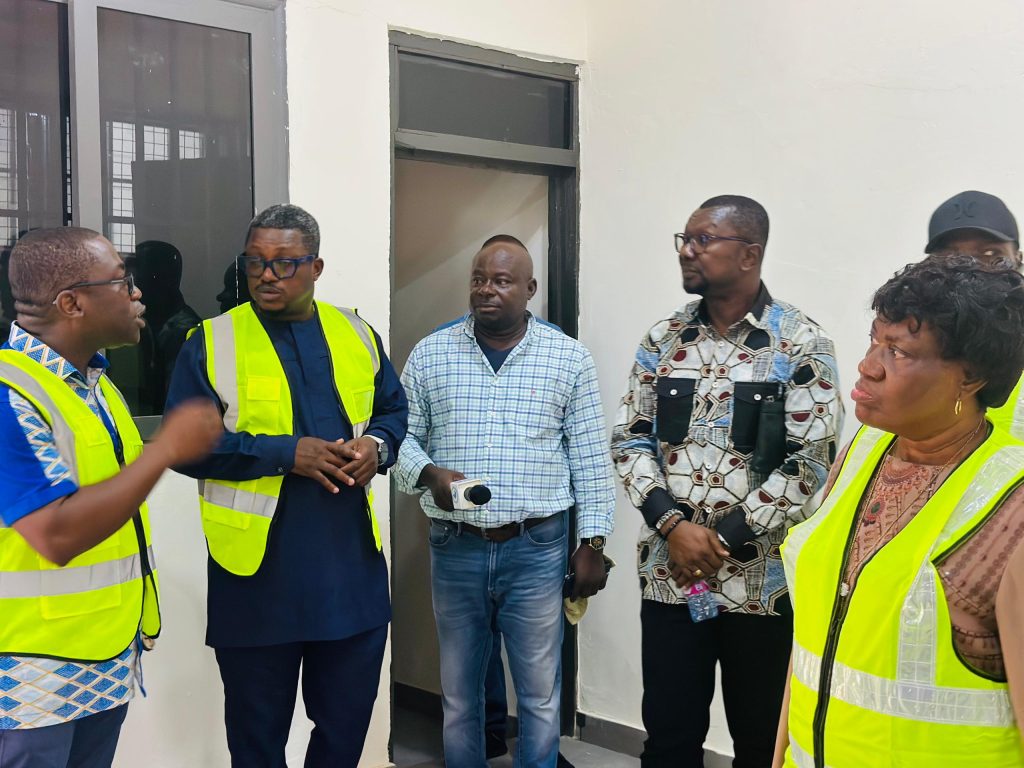
The CEO said the SIF was committed to ensuring that the Agency was fully capacitated to meet this mandate, indicating that the ongoing works and parallel staff training were designed to position GNA to better inform members of the public and support development interventions nationwide.
“We will stop at nothing to ensure that GNA is adequately capacitated to perform its core mandate,” he said.
Mr Albert Kofi Owusu, the Chief Executive Officer and General Manager of the GNA, said the Agency was impressed with the collaborative oversight provided by AfDB, SIF, and the consultants.
He noted that the project had brought GNA to the brink of a major transformation, positioning it to produce multimedia content; audio, video, photographs, and text to meet the evolving needs of subscribers across radio, TV, and digital platforms.
“With the new equipment, our multimedia studio, and the advanced training our journalists have received, GNA is preparing for a new era in digital and multimedia journalism,” he said.
He added that GNA’s national presence made it the ideal partner for the project’s communication and visibility components, especially in combating health-related misinformation.
Mr Owusu said the support from AfDB had significantly enhanced GNA’s ability to provide accurate reporting during national emergencies, noting that the COVID-19 pandemic highlighted the dangerous impact of misinformation on public behaviour.
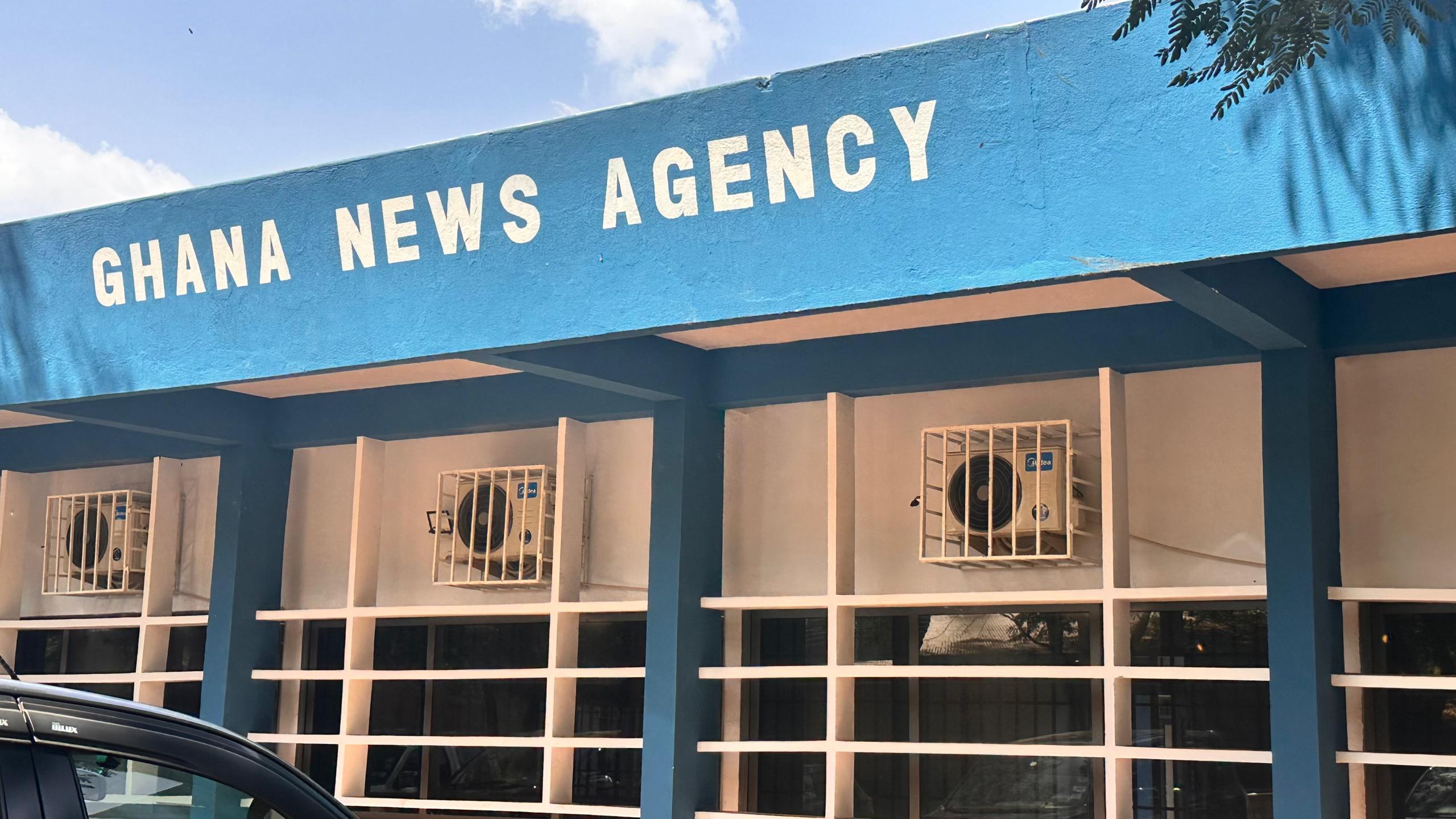
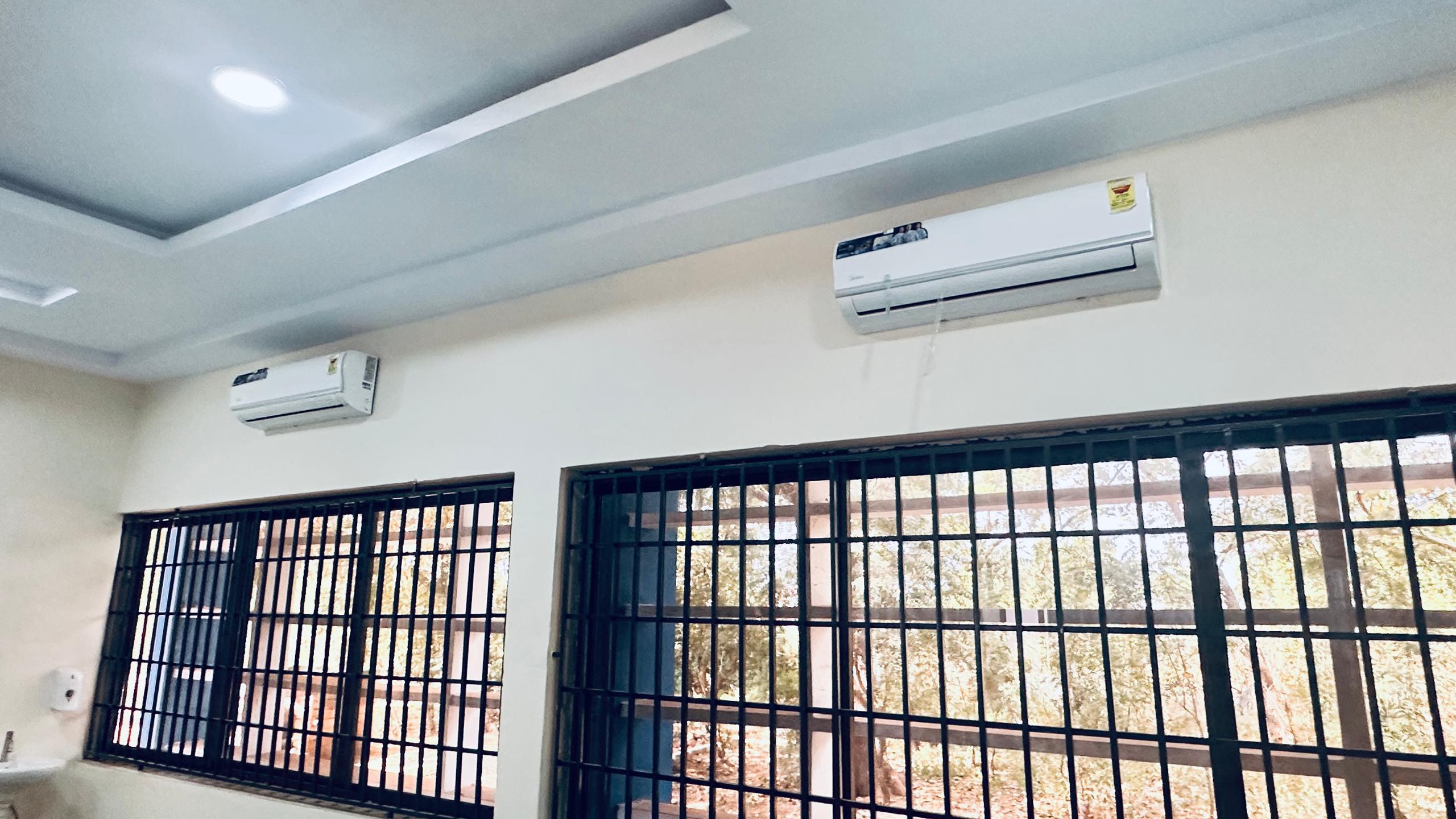
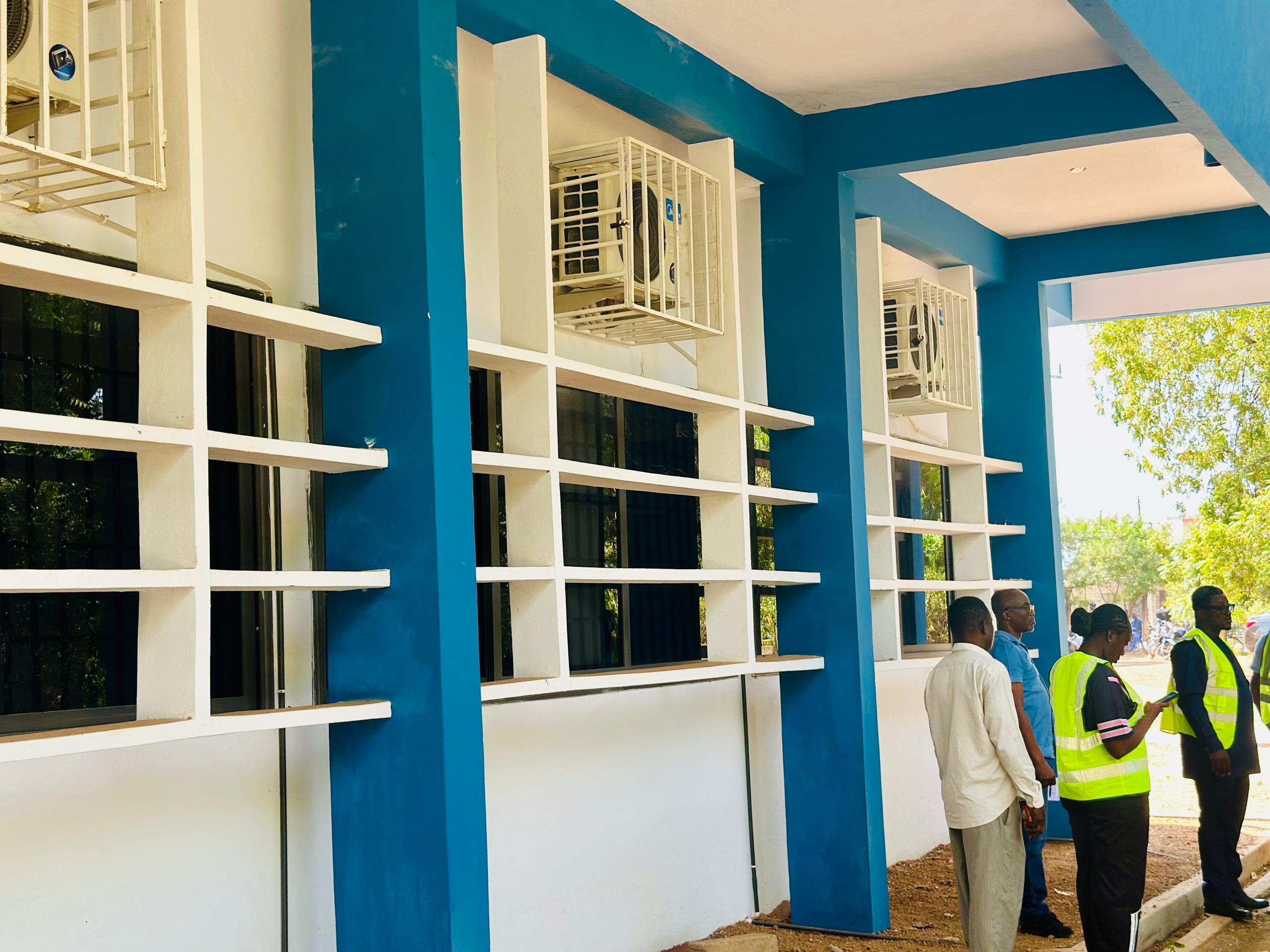
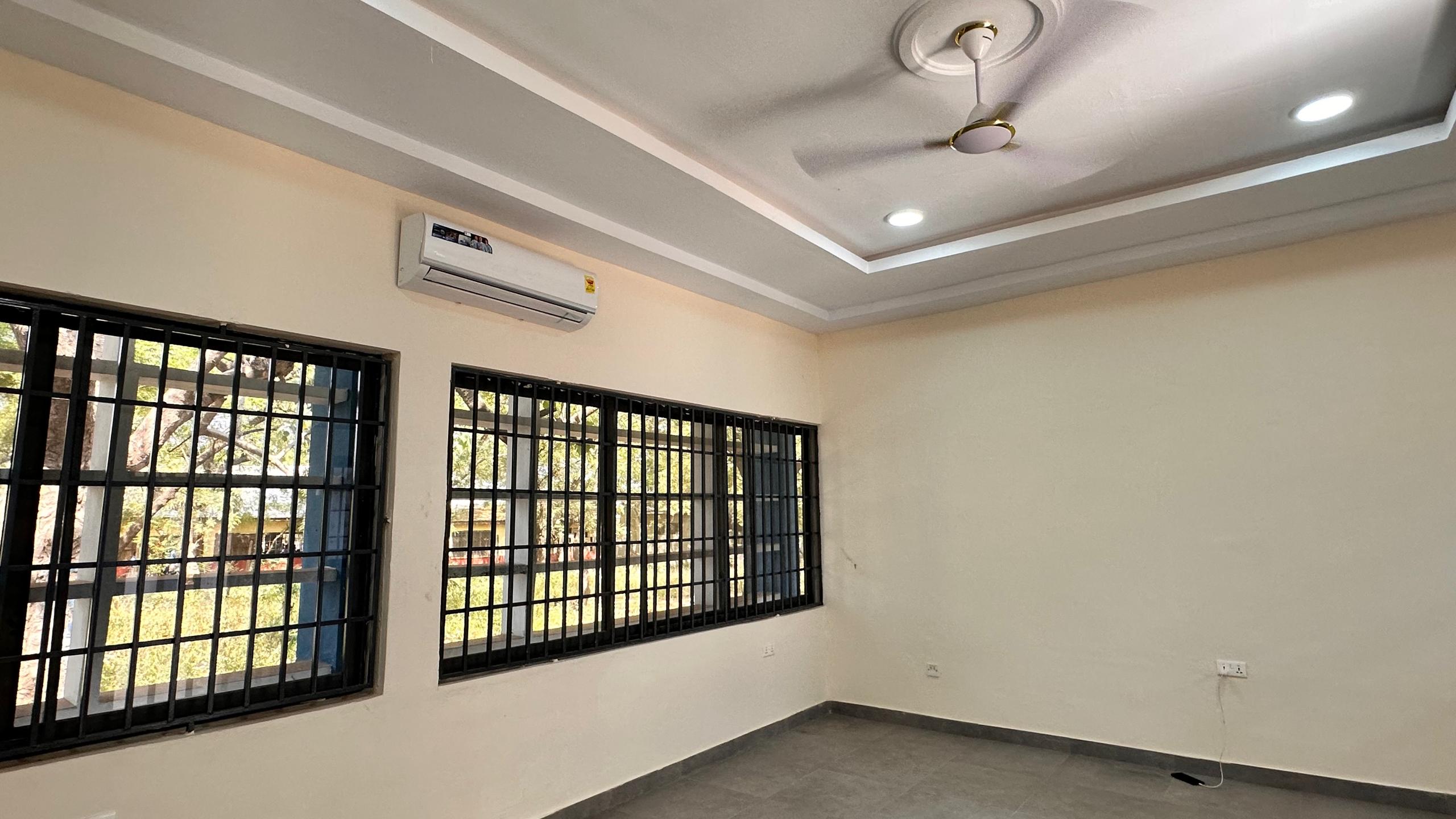
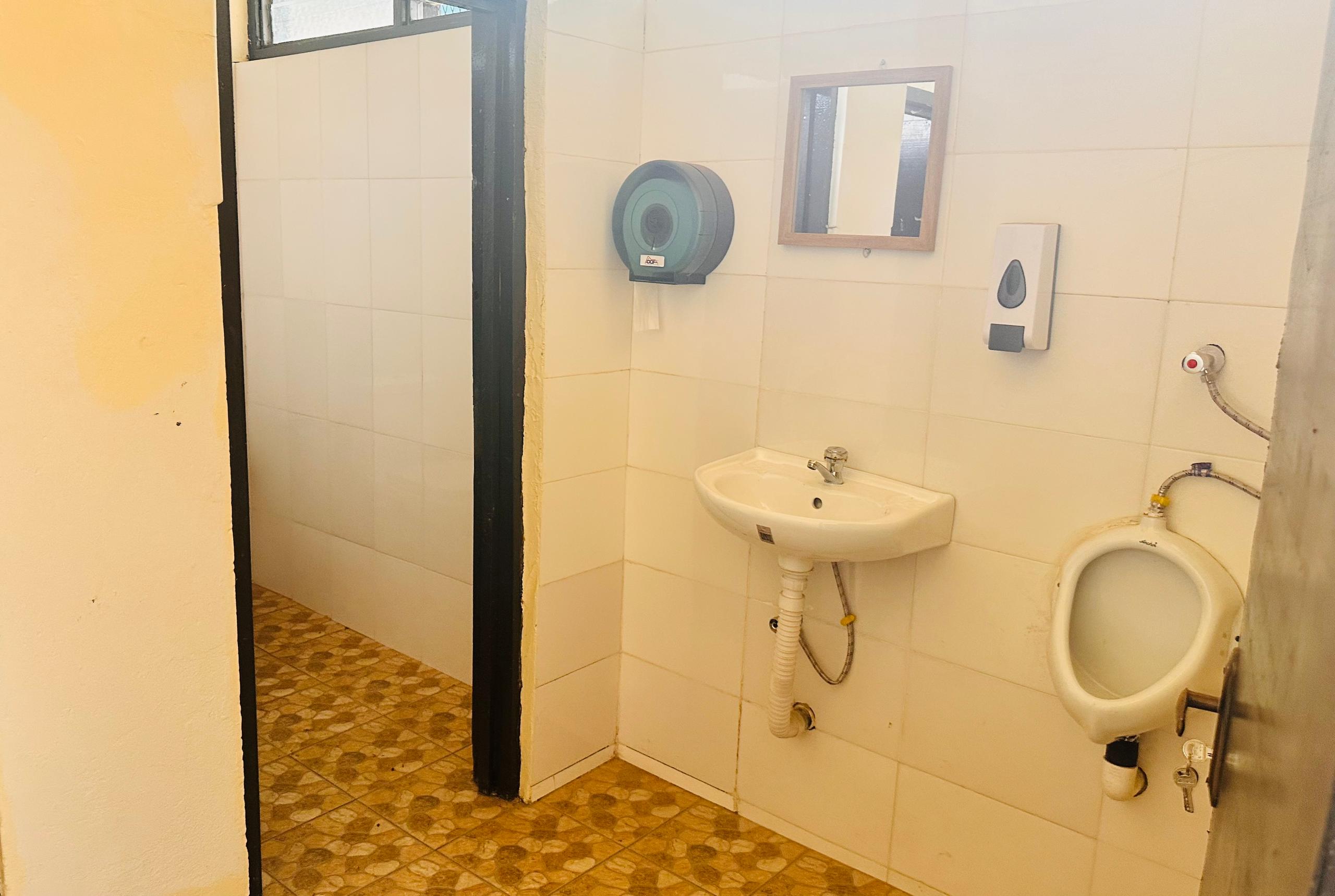
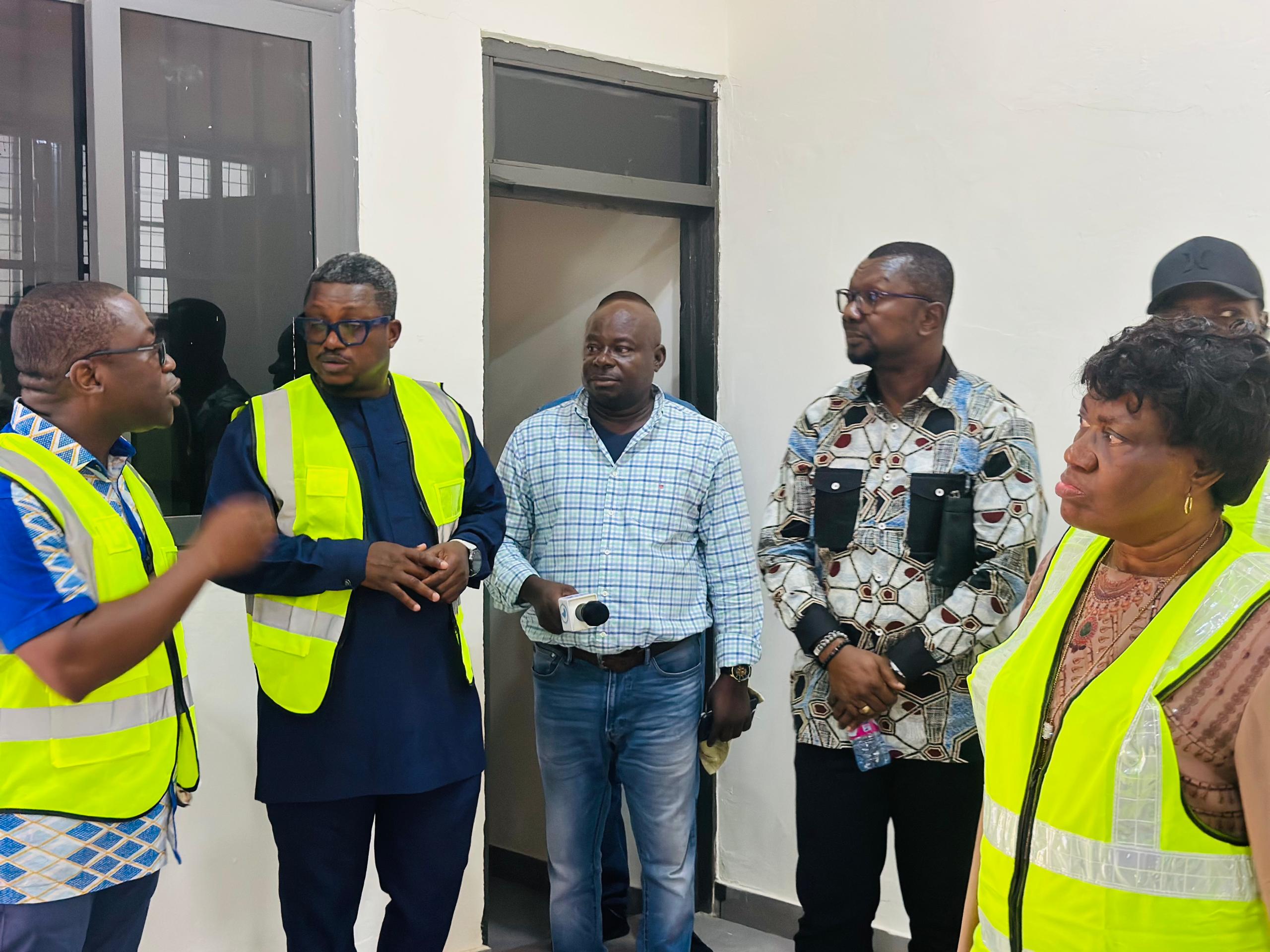
The Agency, he said, was now better equipped to prevent similar situations in future.
Mr Isaac Adjei Mensah, Zonal Consultant, at the Architectural Engineering Services Limited (AESL) in the Northern Region, said the building was extremely dilapidated and required extensive refurbishment.
The structure, he explained, was not rebuilt but extensively refurbished and that it was stripped of its worn-out components and upgraded with roofing sheets replaced, new windows and shutters installed, ceilings reconstructed, and floor finishes renewed.
He said only a few variations, such as fencing the facility to protect staff and equipment, would possibly be introduced, noting that the fence was part of the original design, however, it was not initially funded.
These, he explained, became necessary due to the building’s proximity to schools and the need to safeguard upcoming digital equipment.
GNA
Edited by Eric K. Amoh/Christian Akorlie