By Muniratu Akweley Issah
Accra, Oct. 24, GNA – Stakeholders in Ghana’s HIV response have renewed calls for stronger human rights-based and gender-sensitive approaches to empower young women and adolescent girls in the country’s fight against HIV/AIDS.
The call was made at a three-day workshop organised by Hope for Future Generations (HFFG) in collaboration with the National AIDS Control Programme (NACP) and the Ghana AIDS Commission (GAC).
The meeting aimed to develop strategic communication messages on HIV prevention, stigma reduction, and youth empowerment under the Adolescent Girls and Young Women (AGYW) project.
The three-year initiative targets adolescent girls and young women aged 15 to 24, both in and out of school, across seven districts including parts of Greater Accra, Kumasi, and the Eastern Region.
The goal of the AGYW project is to develop a comprehensive gender and human right-focused media toolkit that would empower AGYW, to amplify their voices and promote healthier choices through evidence-based social media campaigns.
The overall objective is to reduce new HIV infections among adolescent girls and young women through education, advocacy and community engagement.
Mrs Cecilia Senoo, Executive Director of HFFG, said the workshop was crucial as it brought together key partners, including Ghana Health Service, Ghana Education Service, Commission on Human Rights and Administrative Justice (CHRAJ), civil society, and the media to design practical strategies for reaching young women with HIV prevention messages.
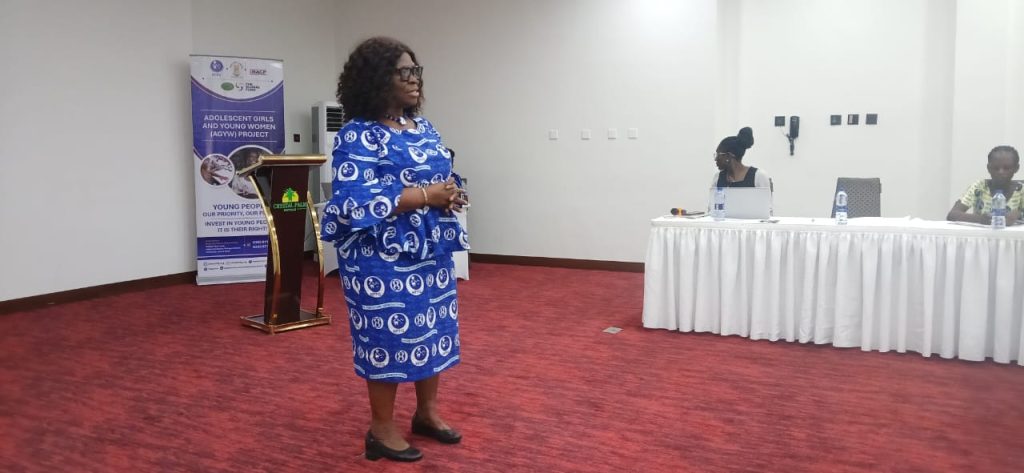
“Young people, especially young women, have a very important role to play in national development. We cannot talk about development without addressing the challenges they face from stigma and inequality to lack of access to services and information,” she said.
She emphasised the need to maximise limited resources and ensure coordinated efforts among stakeholders to avoid duplication, saying, “Resources are scarce, so we must use the little we have effectively. We are here to share ideas and make sure no young woman is left behind.”
Participants identified key vulnerable groups, such as teenage mothers, school dropouts, and university students involved in transactional sex, girls with disabilities, and those in densely populated communities, as primary targets for the intervention.
The HFFG implemented activities such as sexual and reproductive health education, condom distribution, peer education, and social media advocacy.
Mr John Eliasu Mahama, Acting Director of Policy and Planning at the GAC, said despite progress, HIV remained a public health concern, with a national prevalence rate of 1.49 per cent in 2024, representing about 304,731 people living with the virus.
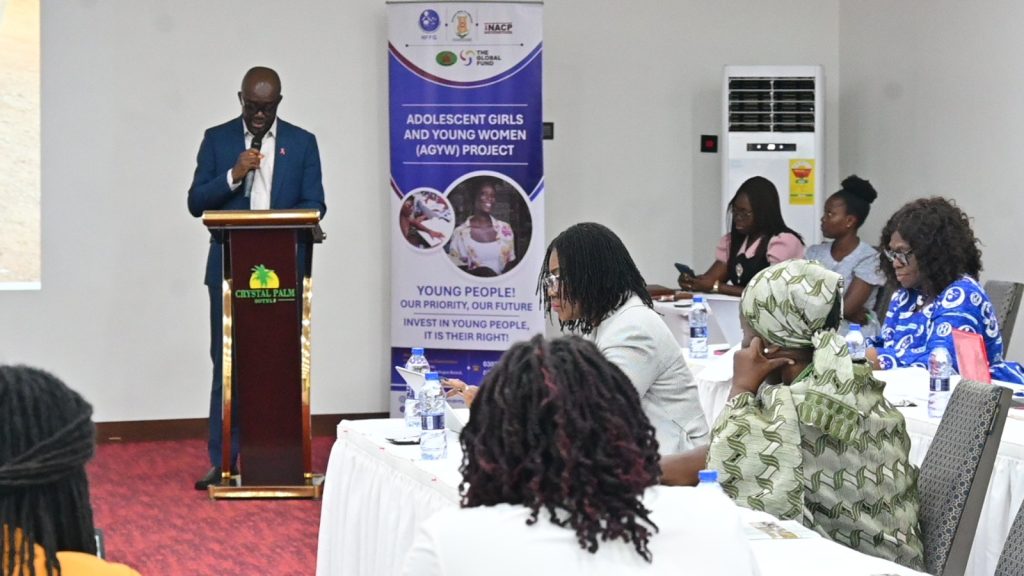
“Particular concern is the growing number of new infections among adolescents and young people aged 10 to 24. Addressing the vulnerabilities of adolescent girls and young women is central to achieving epidemic control,” he said.
Madam Elsie Ayeh, Immediate Past President of NAP+ Ghana, said stigma and non-disclosure continued to hinder young people’s adherence to treatment, saying, “Many young people do not know their status because parents fear stigma. We need simple, relatable messages that speak to their realities in schools, homes, and communities.”
Dr Robert Amesiya, Greater Accra Regional Health Director, commended HFFG for its efforts and urged sustained education to counter misconceptions, adding that most infections among young girls stemmed from socio-economic vulnerabilities.
He said: “Sometimes, transmission is due to poverty, ignorance, and discrimination. Workshops like this help us communicate better and renew public awareness that HIV/AIDS is still with us.”
Dr Amesiya added that the fight against HIV must remain a priority despite emerging diseases like Mpox and COVID-19 and stated that when “HIV is well managed, government resources could be channeled into other vital sectors.”
GNA
Edited by Christian Akorlie