By Dennis Agyei Boateng
Accra, May 1, GNA – As Ghana marks International Workers’ Day, this year’s commemoration goes beyond celebration to reflect a renewed national conversation on wages, fairness, and the future of work.
Recent high-level engagements between Government and Organised Labour signal a shift towards structural reform.
At a dialogue held at the Jubilee House, the Government outlined plans to streamline public sector wages and transition the Fair Wages and Salaries Commission into an independent emoluments commission to ensure transparency, equity, and sustainability in compensation.
These engagements reflect growing recognition that the issue of decent work in Ghana is not merely about employment, but about fairness, dignity, and long-term security.
May Day, therefore, stands as a moment of truth – an opportunity to assess whether the Ghanaian worker is truly benefiting from national progress.
Across cities and rural communities, millions of Ghanaians rise each day with determination, heading to farms, markets, offices, construction sites, and streets.
Their resilience remains undeniable. Yet, for many, hard work does not translate into a dignified standard of living.
A paradox continues to define the labour landscape. While employment levels remain relatively high, the quality of jobs tells a different story.
A significant majority of workers operate within the informal sector, engaged in petty trading, subsistence farming, and casual labour – activities that sustain livelihoods but often lack stability and protection.
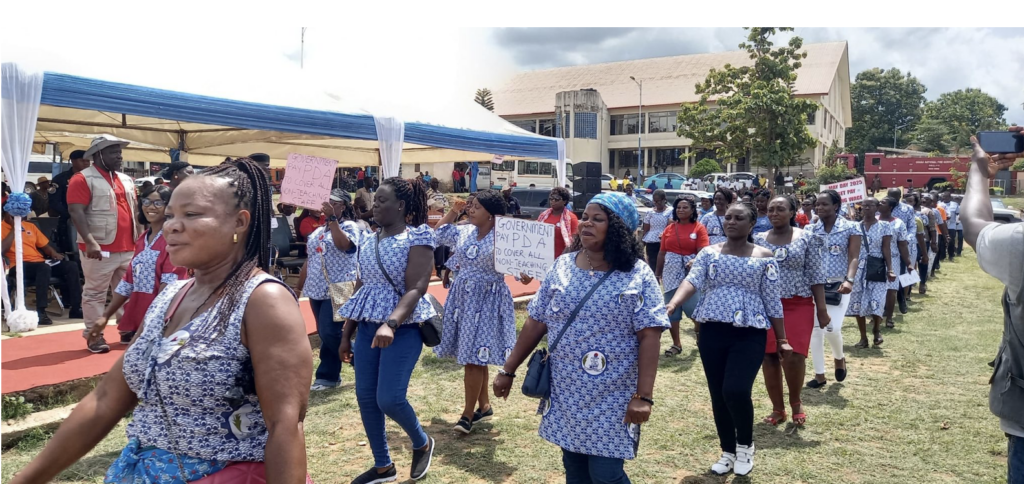
Only about 20 to 30 per cent of Ghanaian workers can be considered to have what is globally recognised as decent work – employment that offers fair income, job security, safe working conditions, and social protection.
The rest navigate daily uncertainties, working without guarantees and earning without the ability to build financial resilience.
For many, incomes barely cover transportation and basic needs. Savings remain out of reach, and long-term planning becomes uncertain.
In such circumstances, the dignity of labour is gradually eroded – not due to a lack of effort, but because the system does not adequately reward it.
The ongoing dialogue between Government and Labour underscores these realities. It also highlights persistent concerns about disparities in public sector pay, inefficiencies in wage structures, and the broader challenge of aligning compensation with productivity and national economic conditions.
This author observes that the proposed independent emoluments commission represents a significant step towards addressing these structural imbalances.
By introducing a more transparent, rule-based, and evidence-driven approach to determining public sector pay, the reform seeks to restore confidence and reduce recurring labour tensions.
Equally important is the Government’s approach to wage negotiations. Rather than broad-based increases, current efforts emphasise targeted adjustments and fiscal discipline, reflecting the delicate balance between worker welfare and macroeconomic stability.
However, policy intent must be matched with implementation.
Questions remain about whether these reforms will reach the ordinary worker in markets, on farms, and within the informal economy, where vulnerability is most pronounced.
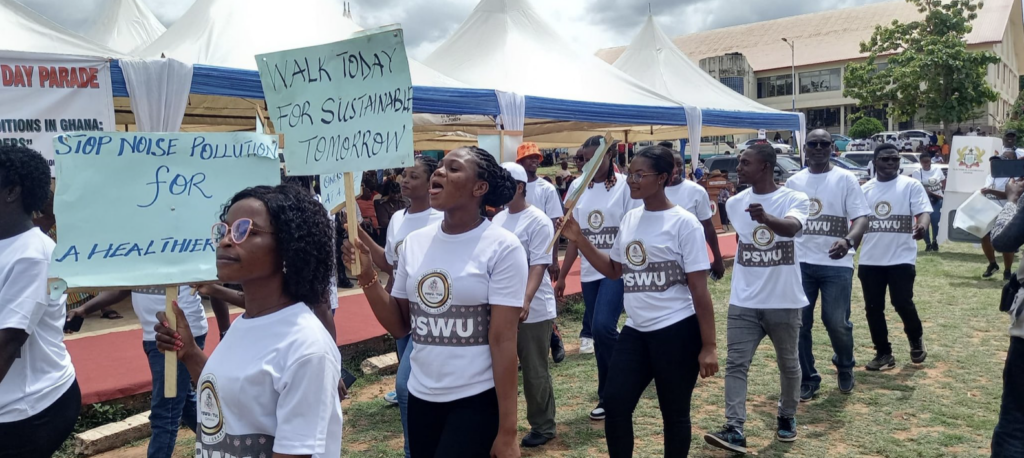
Beyond policy reforms, deliberate investment in industrialisation, skills development, entrepreneurship, and the formalisation of the informal sector remains essential to creating sustainable and dignified employment opportunities.
Employers and institutions also carry responsibility. The strength of any economy lies in the well-being of its workforce, and national development cannot be sustained if workers are merely surviving.
Yet, in the face of these challenges, the Ghanaian worker continues to demonstrate resilience. There is strength in perseverance, dignity in struggle, and hope in the collective effort to build a better future.
As Ghana marks this year’s May Day, the call is clear: celebration must be matched with action.
The emerging reforms in wage governance and labour engagement offer a pathway, but the true measure of success will lie in whether they translate into real improvements in the lives of workers.
A Ghana where hard work leads to progress, where labour is rewarded with dignity, and where every worker can face the future with confidence remains not just an aspiration, but a national imperative.
GNA
Edited by Beatrice Asamani Savage
01 May 2026
Dennis Agyei Boateng is a Development Communication practitioner