By Hafsa Obeng, GNA
Accra, Sept. 29, GNA – The Ghana Export Promotion Authority (GEPA) has reaffirmed its unwavering commitment to deepening intra-African trade and investment as key pillars of the continent’s economic transformation agenda.
Mr. Ambrose Edwin Nsarkoh, Deputy CEO of the Ghana Export Promotion Authority (GEPA), said there was the need for greater collaboration among African nations to unlock the continent’s vast investment and trade potential.
He made this observation at the Ghana International Expo and Investment Forum 2025, held in Lagos, Nigeria, on the theme: “Unlocking Investment Potential through Intra-African Trade and Tourism.”
Mr. Nsarkoh noted that intra-African trade accounts for only 15 percent of Africa’s total trade volume, compared to 69 percent in Europe and 59 percent in Asia, describing this gap as “an enormous opportunity we must collectively seize.”
“When African countries trade more with each other, we create jobs for our youth, retain value within our economies, and build the industrial capacity necessary for sustainable development,” he said.
Highlighting GEPA’s strategic role, Mr. Nsarkoh reiterated Ghana’s commitment to its export-led transformation agenda.

“Initiatives such as the Accelerated Export Development Agenda and the government’s 24-hour economy policy, are designed to maximize productive capacity and expand market access for Ghanaian products.”
He announced GEPA’s goal of increasing Ghana’s export revenues from $4 billion to $10 billion by 2029, stating that the target reflected “not just numbers, but improved livelihoods, job creation, and economic resilience.”
Mr. Nsarkoh commended the Ghana High Commission in Nigeria for their economic diplomacy efforts and urged other diplomatic missions to continue supporting similar platforms that fostered regional trade and investment.
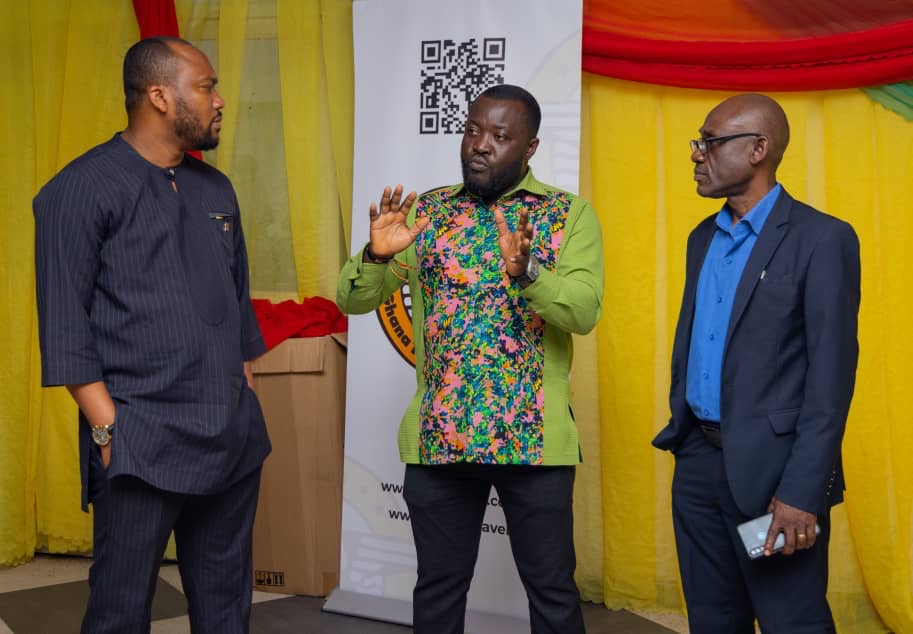
“To our Nigerian hosts and participants from across the continent, GEPA stands ready to be your partner in exploring the vast opportunities Ghana offers, from cocoa to technology, and from agriculture to financial services,” he added.
Ms. Margaret Ansei, CEO, Ghana Enterprises Agency (GEA), underscored the critical role of Micro, Small, and Medium Enterprises (MSMEs) in driving inclusive growth across Africa.
“MSMEs are not merely businesses, they are lifelines. They are the heartbeat of our economy, employing over 80 percent of our people and contributing significantly to GDP,” she said.
Ms. Ansei called for deliberate action to dismantle the barriers that prevented African MSMEs from participating fully in regional and global trade.
She identified access to finance, fragmented markets, and limited digital capabilities as persistent challenges.
She said the African Continental Free Trade Area (AfCFTA), headquartered in Accra, was a transformative opportunity for the continent’s entrepreneurs, urging stakeholders to translate policies into tangible outcomes for small businesses.
Ms. Ansei noted that empowering MSMEs, particularly women, youth, and persons with disabilities, could unlock Africa’s true economic potential.
She highlighted GEA’s BizBox Project, in partnership with the Mastercard Foundation, which aims to create 250,000 dignified jobs with a focus on inclusivity and cross-border trade readiness.
“Inclusivity is not charity, it is smart economics. When women thrive, families thrive. When young people are empowered, communities grow,” Ms. Ansei stated.
She called for sustained investment in infrastructure, digital transformation, and market access to ensure MSMEs were at the forefront of Africa’s economic renaissance.
The GIEBF 2025 is the first of its kind to be held outside Ghana, signaling a bold step towards strengthening bilateral and regional economic ties within Africa.
It convened policymakers, business leaders, investors, and development partners.
Participants engaged in high-level discussions, exhibitions, and networking sessions focused on leveraging trade and tourism as twin engines for job creation, innovation, and shared prosperity.
GNA
Christian Akorlie