By Eunice Hilda A. Mensah
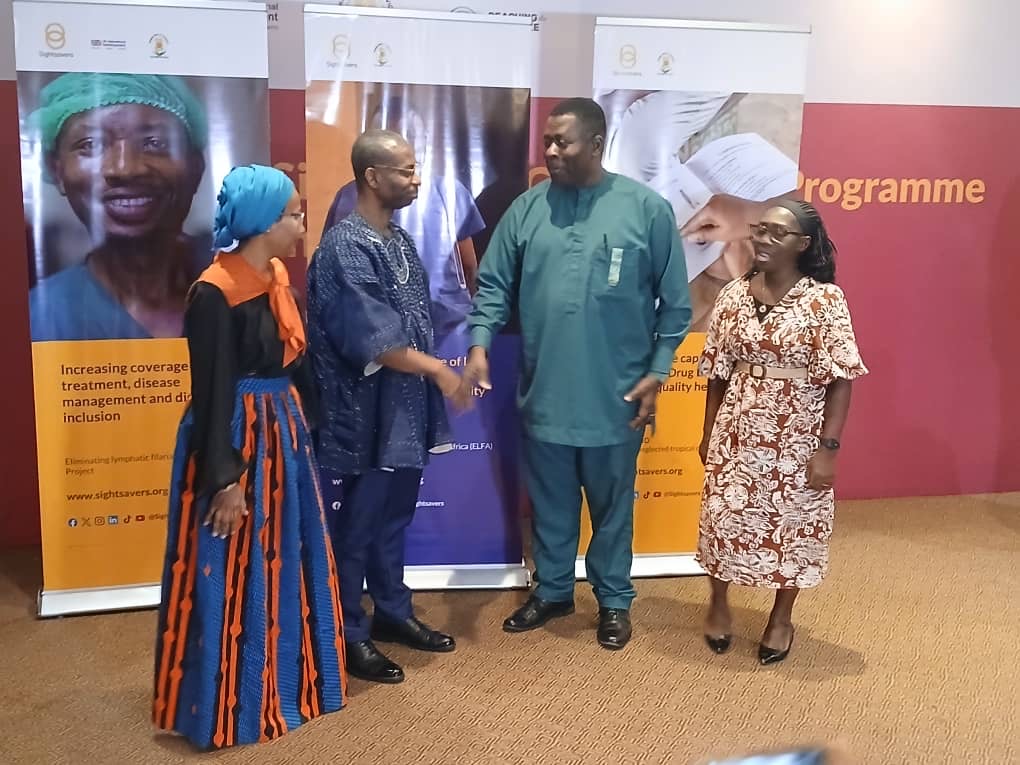
Accra, Aug.16, GNA – In a bid to eliminate Neglected Tropical Diseases (NTDs), especially Lymphatic Filariasis (LF) and River blindness in Ghana, Sightsavers in partnership with the Ghana Health Service (GHS) and World Health Organization (WHO) has launched a strategic programme.
Dubbed: “Eliminating Lymphatic Filariasis in Africa” and “Reaching the Last Mile Fund” programme, it aims to help Ghana achieve the UN Sustainable Development Goals (SDGs) target of ending the epidemics of NTDs by 2030.
Dr Joseph Larbi Opare, Programmes Manager of NTDs, GHS, described NTDs as a group of 21 preventable and treatable diseases which occur under conditions of poverty and mainly found in tropical and sub-tropical countries.
They afflict 1.5 billion people worldwide, with 40 per cent cases from Africa.
He gave the statistics at the launch of the programmes at Sightsavers Ghana NTDs Programme inception meeting in Accra.
He said NTDs in Ghana were Onchocerciasis (river blindness), Schistosomiasis (bilharzia), Soil transmitted helminthiasis, Trachoma (eliminated in 2018), Scabies, and Lymphatic Filariasis (elephantiasis) under preventive chemotherapy NTDs.
The rest were Dracunculiasis (Guinea worm- eliminated in 2015) Rabies, Human African Trypanosomiasis (sleeping sickness – eliminated in 2023), Yaws, Cutaneous Leishmaniasis, Snake-bite envenomation, Leprosy and Buruli ulcer under case management NTDs.
Dr. Opare explained that the diseases disfigured and disabled, kept children out of school and parents out of work, thus perpetuated the cycle of poverty while subjecting survivors to intense stigma and neglect.
Speaking on the Lymphatic Filariasis (Elephantiasis), he said it impaired the Lymphatic system and could lead to the abnormal enlargement of body parts, causing pain, severe disability and social stigma.
The morbidity associated with LF, he said included lymphoedema, advanced stage lymphoedema (elephantiasis of the hand, leg, breast, peninsula, vulva, and scrotum), acute attack and hydrocele.
To prevent infection of the NTDs, Dr Opare advised the public to get involved in mass drug administration especially against Lymphatic Filariasis.
He also admonished those with the condition already to maintain good personal hygiene and wash the affected area well at least twice daily to prevent further infections.
“The vector for the disease is mosquito, so let’s do all that it takes to prevent mosquitoes and sleep in treated bed nets,” he added.
On Schistosomiasis, he urged people to avoid open defecation and urination, adding: “When you avoid that, the eggs or parasite may not get into the water bodies to start the life cycle once again.
“You also make sure you don’t swim in contaminated water bodies,” he advised, while explaining that Schistosomiasis could lead to infertility in women and damage the testicle, leading to azoospermia (lack of sperms in semen) in men.
Mr David Agyemang, the Country Lead, Sightsavers, said his office anticipated to support the GHS through the programme to reduce transmission of LF, lymphoedema, and River Blindness, so that Ghana would be able to meet the 2030 targets.
He called on government and stakeholders to come on board to bridge the gap created by the withdrawal of the USAID funding support, to enable the Ghana Health Service deliver interventions to people that were affected by NTDs.
After the launch of the programme, he said there would be mass drug administration to more than five million people and hydrocele surgery for those who needed it.
There would also be training of Doctors to conduct the surgeries and other health workers to manage lymphoedema.
Mr Agyemang expressed gratitude to their donors – the GATE Foundation and Foreign, Commonwealth & Development Office for supporting them to launch the programme in Ghana.
Dr Felicia Owusu-Antwi, National Advisor for NTDs, WHO and Chairperson for the programme commended Sightsavers for playing a pivotal role for the Country to eliminate Trachoma and helping assiduously to eliminate LF.
She said it was heart-breaking to observe how people were being disabled, stigmatised and discriminated against because of diseases that were preventable and treatable.
“Why do we still have Yaws? Why do we still have scabies in Ghana?” She questioned and called for disability friendly interventions to be put in place to economically empower those who had been disabled by NTDs.
GNA
Edited by Samuel Osei-Frempong