By Benjamin Akoto
Sunyani (Bono), July 26, GNA -Mr Joseph Addae Akwaboa, the Bono Regional Minister, says the nation’s health systems ought to become more responsive and adaptable in tackling the health needs of the emerging aging population.
Beyond providing curative services, he said the health systems must incorporate long-term preventive and rehabilitative care for the elderly in society.
Mr Akwaboa said this when speaking at the 25th Public Lecture of the Ghana Medical Association in Sunyani, on the theme: “Ghana’s Ageing Population: Challenges, Opportunities and Strategies for the Next Decade”.
He said the health sector required reforms, not only to improve health outcomes, but also for enhancing the wellbeing of the aged people by ensuring that the elderly had access to quality services that reflected dignity, inclusion and sustained well-being.
Mr Akwaboa said: “The aged represent a repository of cultural values, knowledge, and experience”, saying with inclusive policy support, they could serve as “anchors of social stability” and thereby fostered intergenerational learning.
He said huge investments ought to be made into generic genetic medicine, community-based care models, and active ageing programmes as measures to enable the aged in society to live productive and dignified lives.
Mr Akwaboa urged medical professionals to help put in place ageing strategies, through empowerment of caregivers and expanding medical access to allow aged people to live longer and thrive in society.
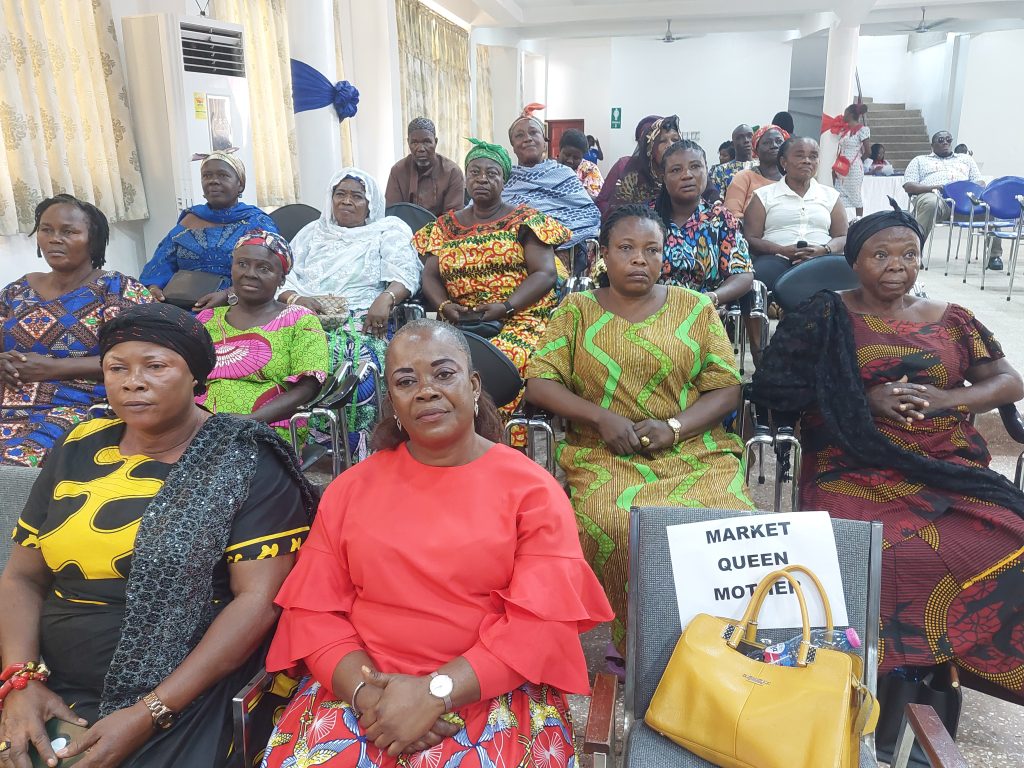
He pointed out that the government was intensifying efforts to improve health infrastructure, strengthen the healthcare workforce, and promote public health awareness, especially for vulnerable groups, including the elderly.
Dr Lenusia Ahlijah, a Geriatrician at Tema Urban Hospital, who spoke on the topic the “Health of Ghana’s ageing population”, noted that the nation was undergoing a major demographic transition, driven by increased life expectancy and declining fertility rates.
He said: “Our population is ageing rapidly and older adults, those above 60 years are projected to make up 22 percent of Ghana’s total population by 2050”, saying Ghana Demographics and Health Survey 2023 put the country’s average life expectancy at 64.5 years, with women living an averagely of 66.7 years and men 62.4 years.
Dr Ahlijah said the ageing process was associated with increased health risks, including chronic illnesses, disabilities, falls and injury-related complications with rural-urban disparities.
He recommended funding health promotions and disease prevention, strengthening health systems, especially the National Health insurance coverage and rural health services as well as aiding caretakers, and promoting advocacy for elderly care to tackle health needs of the aging population.
GNA
Edited by Dennis Peprah/Akorlie