By Mildred Siabi-Mensah
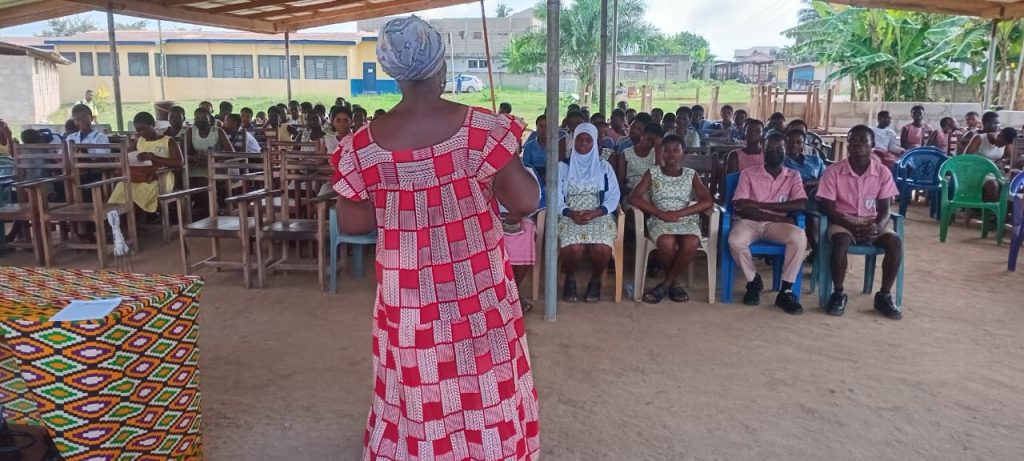
Takoradi, July 11, GNA – The Sekondi-Takoradi Metropolitan Assembly (STMA) Local Accountability Network of the Ghana Anti-Corruption Coalition has engaged more than 1000 students from three schools on Corruption and the Whistle Blowers Acts.
The beneficiary schools are Opportunity Industrialization Centre Institute, Takoradi Community Development Institute and the Presbyterian Schools.
The school education project highlighted the negative effects of corruption on the socio-economic development of the Ghanaian and the need for collective efforts to eliminate the practice from the fibre of society.
Madam Mercy Quarshie, a leading Member of the Network told the Ghana News Agency that the African Union Anti-Corruption Day (AUACD), observed every July 11, highlighted the continent’s commitment to fighting corruption under the 2003 AU Convention.
It served as a reminder to raise awareness, reflect on progress, and strengthen anti-corruption efforts and since 2018, the Ghana Anti-Corruption Coalition (GACC) had commemorated the day through outreach and education, especially among young people.
The GACC prioritised youth in its anti-corruption work, recognising their vulnerability to corruption and their potential as future leaders by providing knowledge and tools to empower young people to act with integrity and demand accountability.
This year, “with support from the Hewlett Foundation, GACC is expanding its AU Anti-Corruption Day sensitisation efforts to engage youth on corruption, promoting whistleblowing, and encouraging civic responsibility.”
She added that the initiative would highlight how corruption affected their future and the need to promote whistleblowing as a safe and powerful tool for youth to demand accountability and contribute to a more just and accountable society.
Madam Beauty Emefa Narte, the Executive Secretary in a release to mark the day, said the persistent scourge of corruption undermined development, deepened inequality, and eroded public trust in institutions.
The 2023 Auditor-General’s Report revealed that the country lost over GH¢11 billion to financial irregularities, resources that could have transformed education, healthcare, and job opportunities for its citizens.
Madam Narte said “But it is our young people who often bear the harshest consequences, adding corruption disrupts access to quality education, reduces job prospects, limits opportunities, and undermines trust in public systems”.
She indicated that these realities made it more challenging for young people to envision a future built on fairness and integrity, adding that the GACC recognised that empowering youth to stand against corruption was a critical step toward building a fairer, more inclusive Ghana where development benefited all, not just a few.
Madam Narte called on stakeholders to support and protect the youth as they take a stand for transparency and justice…”I call on the youth of Ghana to rise to the occasion by taking a personal pledge against corruption committing to the 3Rs of Corruption – Resist, Reject, and Report.”
GNA
Edited by Justina Paaga/Benjamin Mensah