By Michael Foli Jackidy
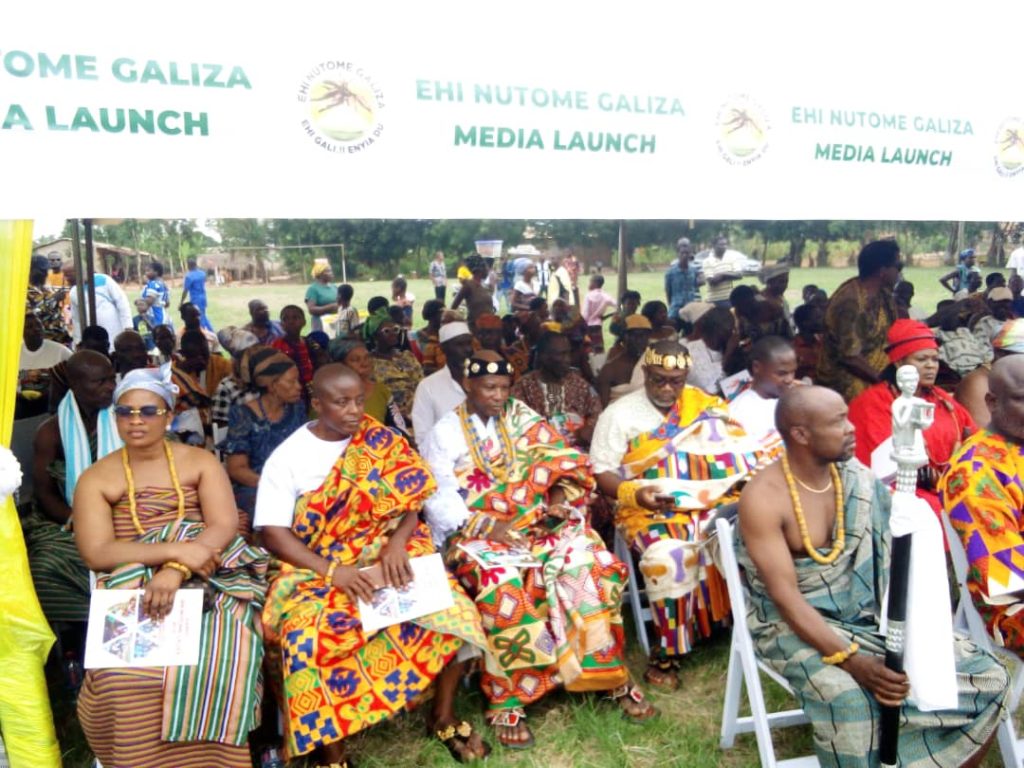
Gbegbekorfe (V/R), July 28, GNA – The 2025 edition of the ‘Ehi Nutome Gali Za’ (Gali Festival) has been launched at Gbegbekorfe in Ehi, highlighting a strong call for unity, collective responsibility, and community-driven development.
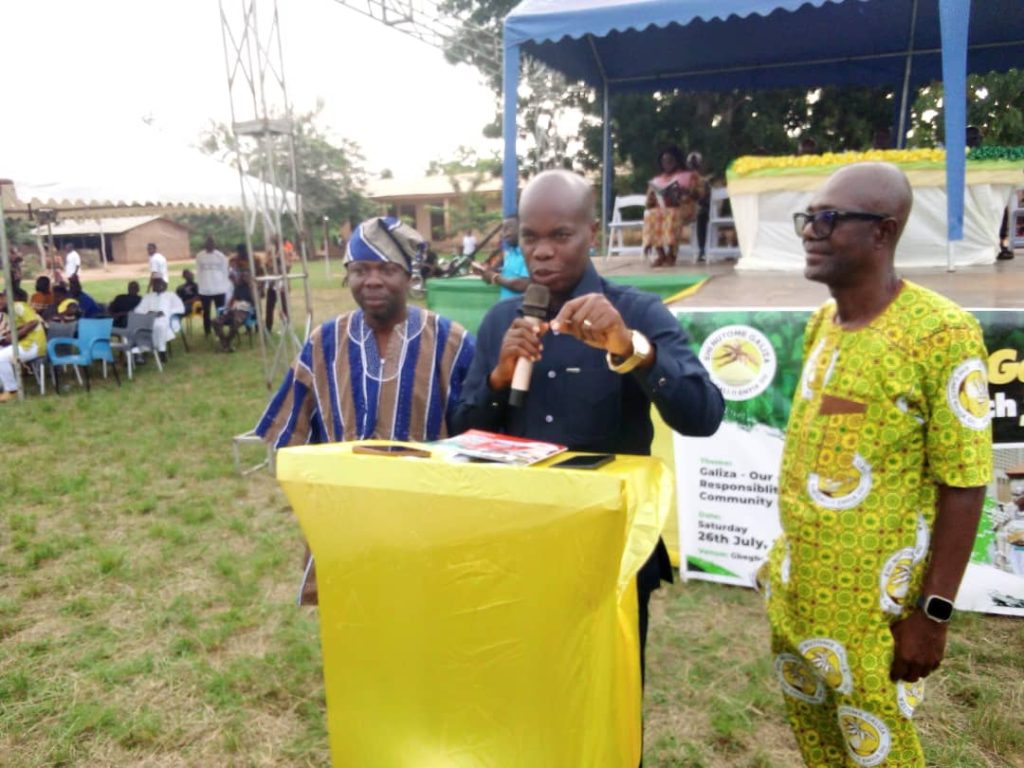
Delivering the keynote address at the July 26 launch, Mr. Forgive Yao Agoha, Public Relations Officer of the Ghana Education Service (GES) in the Volta Region, underscored the festival’s theme: “Galiza; Our Collective Responsibility for Community Development,” emphasising that sustainable development depends on community ownership and active participation.
Delivering the keynote address at the July 26 launch, Mr. Forgive Yao Agoha, Public Relations Officer of the Ghana Education Service (GES) in the Volta Region, underscored the festival’s theme: “Galiza; Our Collective Responsibility for Community Development.” He stressed that sustainable development thrives on community ownership and active participation.
“Development is not a gift to be received but a duty to be fulfilled,” Mr. Agoha said. “It starts when we stop pointing fingers and start joining hands—when we shift from complaints to contributions, from watching to working.”
He described development as more than infrastructure, noting that it must embody justice, equity, dignity, and the collective well-being of all. He decried negative attitudes such as apathy, envy, and dependency on government or NGOs, and called on professionals—teachers, health workers, artisans, and farmers—to apply their skills for communal good.
Mr. Agoha encouraged civic engagement, participation in communal labour, and respectful accountability in leadership. “Leadership is service, not a title. Let’s not tire of doing good—our efforts today build the foundation for tomorrow,” he added.
Torgbui Akpo Ashiakpor VI, Paramount Chief and President of the Weta Traditional Council, highlighted the festival’s role in fostering unity and shared identity among the people of Ehi and its surroundings.
“Gali Za is more than a celebration—it’s a platform for peace and cohesion,” he said. Urging against tribalism and division, he reminded the gathering of their shared ancestry: “Let the quail perch, and let the partridge also perch.”
Torgbui Dzeble-Adukpo IV, Dufia of Ehi and Head of the Ehi Division, echoed the festival’s theme as a call to action. “If we leave development to politicians alone, we’ll always be waiting. It’s up to us—the people—to organise communal labour, improve schools, and lead health campaigns,” he said.
He emphasized that citizen ownership of development initiatives leads to greater impact and sustainability.
Rev. Martin Amenaki, Municipal Chief Executive of Ketu North, announced plans to support farmer-based groups. He urged local farmers to form groups of 15 to 40 members to access government resources.
He also highlighted the potential of gali—a key food staple in Ghana and Africa—as an economic driver. Increasing production, he said, could position Ehi as a major hub for local and export markets, accelerating socio-economic development.
Festival Significance
Gali Za is an annual cultural festival that celebrates gali, a popular staple food, while showcasing the area’s rich cultural heritage and economic potential. This year’s celebration will climax on September 28, 2025, with a week-long series of events in Ehi.
Traditional leaders from the Weta Traditional Council, political figures, opinion leaders, youth groups, and cultural troupes graced the launch with vibrant performances and symbolic support.
The festival remains a strong symbol of unity, identity, and the collective resolve to shape a better future for generations.
GNA
Edited by Maxwell Awumah / Audrey Dekalu