By Isaac Newton Tetteh
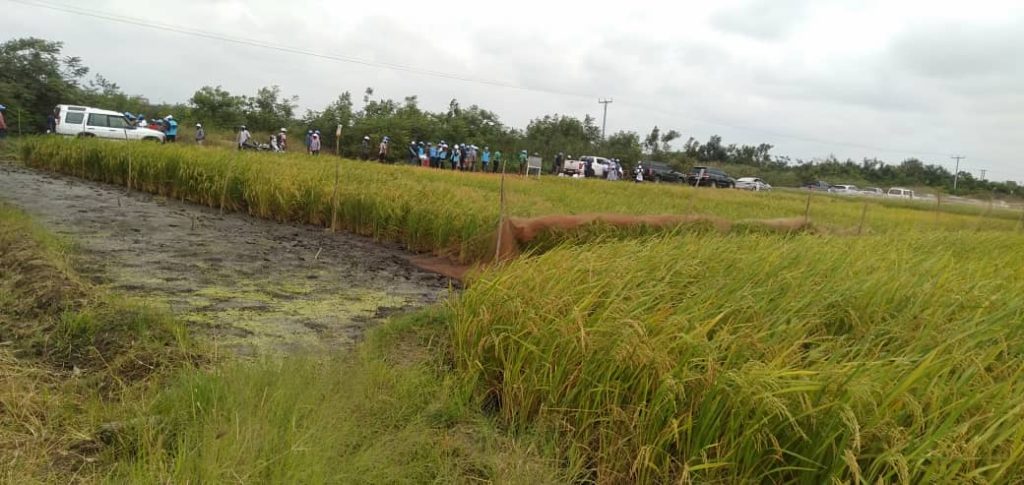
Dawhenya, July 25, GNA – The Council for Scientific and Industrial Research (CSIR) and KOPIA Ghana have engaged rice farmers at the Dawhenya irrigation enclave to promote science-based farming practices to enhance productivity and reduce rice importation.
The sensitisation programme brought together researchers, extension officers, and hundreds of farmers to discuss sustainable agricultural practices and climate-resilient rice varieties suitable for Ghana’s ecosystem.
Professor Mrs. Marian Quain, Deputy Director-General of CSIR, stressed the strategic importance of rice to national food security and called for increased investment and scientific support to transform Ghana’s rice sector.
“Science must lead the country’s agricultural transformation. With the right technologies and support systems, Ghana can reduce rice importation significantly,” she said, urging government prioritisation of inputs, training, and improved seed access for farmers.
She added that CSIR had developed a range of technologies to boost productivity, improve post-harvest handling, and enhance resilience to climate change.
Professor Maxwell Darko Asante, Director of the CSIR-Crops Research Institute, highlighted several high-yielding rice varieties developed for Ghana’s agro-ecological zones, including AGRA rice, Ena rice, Agyapa rice, and CRI-Amankwatia.
“These varieties are early maturing, drought-tolerant, and suitable for both rain-fed and irrigated farming,” he noted, urging farmers to adopt scientific recommendations and work closely with extension officers.
Mr. Young Jin Kim, Country Director of KOPIA Ghana, reaffirmed Korea’s commitment to supporting Ghana’s rice production agenda through technical cooperation, research, and training.
“Korea once faced similar challenges in rice production but overcame them through science and strong government commitment. Ghana can do the same,” he said.
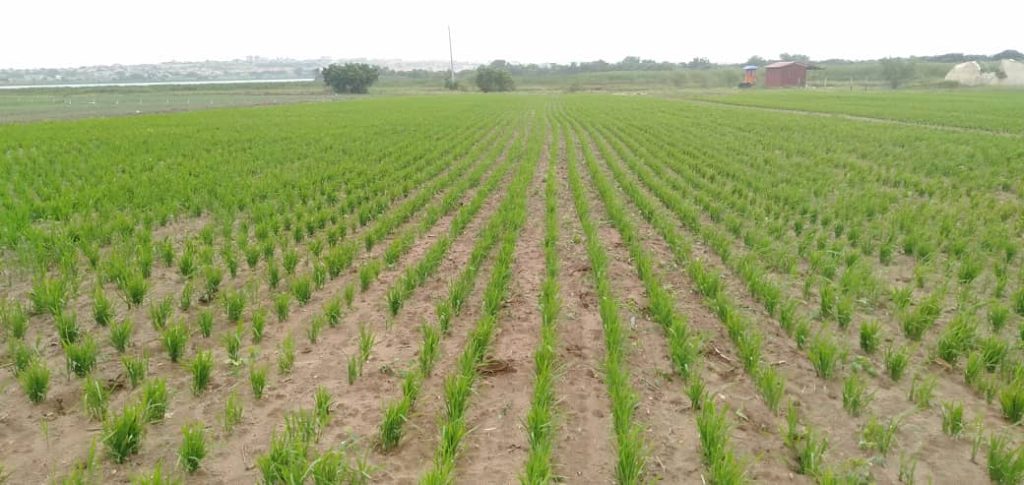
He added that KOPIA and CSIR would continue investing in demonstration farms, capacity building, and equipment to make rice farming more productive and profitable.
Farmers at the event expressed appreciation for the initiative and appealed for timely access to inputs, machinery, and markets to complement research efforts.
GNA
Edited by Laudia Sawer/Audrey Dekalu