By Isaac Arkoh
Cape Coast, July 18, GNA – Fifty-three traditional authorities and Chief fishermen in the Central Region have, in a resolution, declared their unalloyed support to eliminate all forms of Illegal, Unreported and Unregulated (IUU) fishing from the region’s territorial waters.
They indicated that the persistent IUU fishing, particularly light fishing, use of chemical substances, explosives and undersized nets had depleted fish stocks, disrupted breeding cycles and destroyed marine habitats critical for healthy fish stocks.
IUU activities, according to them, threatened the economic foundation of fishing communities by reducing legitimate catches, undercutting fair competition and creating hardships for law-abiding fishers.
Beyond that, the practices not only contaminate the marine environment, but posed direct risks to consumers and fishers alike.
The declaration was contained in a resolution read by Nana Kwa Bonko V, representing the Nkusukum Traditional Council and Nana Kwamena Sanka II, Chairman of the Central Regional Canoe Fisherman Council after day’s durbar on effective enforcement of fisheries’ regulations in Cape Coast .
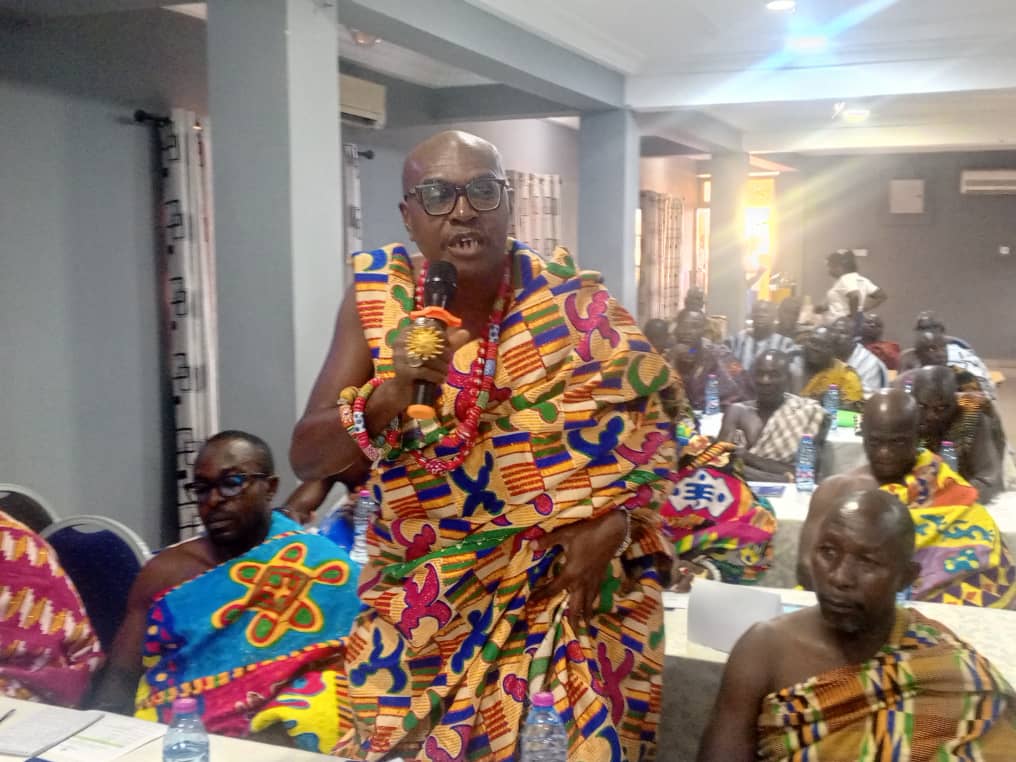
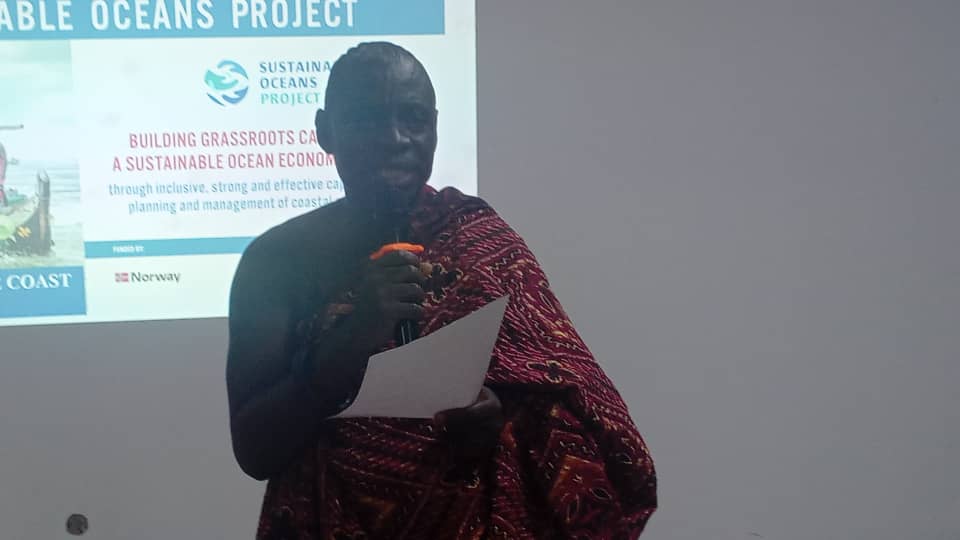
The forum was arranged by EJF through its sustainable fisheries project in collaboration with fisheries related non-governmental organisations like Hen Mpoano and CEWEFIA to provide a platform for dialogue, collaboration and collective action to improve compliance with fisheries regulations in the Central region.
The project seeks to restore marine resources, protect local livelihoods and ensure the long-term sustainability of Ghana’s fisheries by fostering improved partnerships between traditional governance structures and the Landing Beach Enforcement Committees (LaBECs) to strengthen enforcement efforts and community ownership of ocean governance.
The Traditional leaders reaffirmed their commitment to upholding the longstanding customary ban on fishing every Tuesday.
They explained that the age-old tradition allowed fish stocks to replenish, preserved marine resources for future generations and ensured sustainable livelihoods for local fishing communities.
By dedicating a day each in a week as rest day, gave fishermen and their families the opportunity to engage in community activities and perform necessary net repairs.
The Chiefs further urged the government to sustain the fight against illegal transhipment, commonly known as ‘saiko’, stressing that such practices undermined local livelihoods, depleted fish stocks, and threatened the industry’s survival.
However, they cautioned politicians against politicising fisheries management, citing instances where political actors intervened to shield offenders from prosecution, or influence the allocation of fishing inputs for political gain.
The Chiefs advocated for Fisheries Commission to enforce regulations independently and efficiently, with regular consultation with traditional authorities.
They also highlighted the importance of maintaining clean beaches, noting that poor sanitation could harm fish habitats, reduce catches, and pose health risks to both fishermen and consumers.
Earlier, Mr Theophilus Boakye Yiadom, the Environmental Justice Foundation’s (EJF) Director of Fisheries Programme, commended the traditional authorities for their commitment to sustainable fisheries practices.
He said Ghana’s fisheries industry was threatened by unsustainable practices and weak enforcement, but traditional leaders played a key role in fostering compliance and sustainable management.
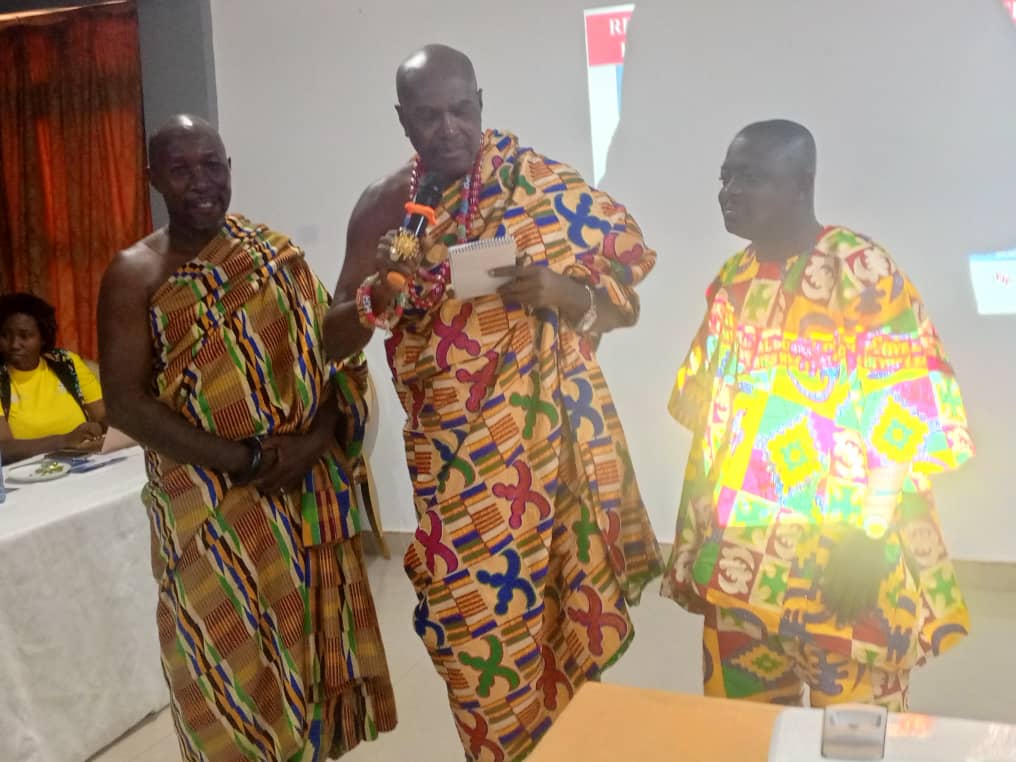
To him, the Chiefs’ strong involvement, particularly in ensuring observance of regulations like the Tuesday fishing holiday, was vital to protect the future of fisheries industry.
GNA
Edited by Alice Tettey/Christian Akorlie