By Morkporkpor Anku
Accra, June 26, GNA – The implementation of the Landscapes and Environmental Agility across the Nation (LEAN) project has ended with the planting of one million trees and seedlings across various regions, contributing to reforestation.
It has also improved biodiversity across 250,000 hectares under sustainable land management and contributed to environmental and natural resources management and building rural communities’ resilience against climate change.
Mr Massimo Mina, Head of Cooperation, European Union Delegation to Ghana, speaking at the closing workshop of LEAN project, said the project also contributed to conserving biodiversity and improving the livelihoods of some local communities in the Savannah, Transition and Forest belts.
The European Union (EU) sponsored project helped smallholder farmers and communities to restore vegetative cover, forest reserves and degraded landscapes while offering alternative livelihoods to residents.
The EU LEAN project is a four-year initiative aimed at supporting national and local efforts to conserve biodiversity, improving the livelihoods of smallholder farmers, building climate resilience, and reducing emissions from land-use changes across Ghana’s high forest, savannah, and transition zones.
The project was led by a consortium of partners led by
Rainforest Alliance, World Vision Ghana, Tropenbos Ghana and EcoCare Ghana.
He said through a Farmer-Managed Natural Regeneration (FMNR) approach, the project had restored over 420 hectares of degraded lands in communities, created buffers against bushfires, improved biodiversity to support grazing, enhanced livelihoods, and restored 255 acres of on-farm agroforestry sites.
He said more than 4,000 beneficiaries-2,435 males and 1,168 females-had been trained and equipped with tools, resources, and materials across seven livelihood diversification enterprises in the three landscapes.
“These alternative income-generating activities include beekeeping, fisheries, mushroom cultivation, small ruminants, snail rearing, piggeries, and vegetable farming,” he added.
He said with over 3,000 members in 120 groups – 2,194 women and 679 men the Savings for Transformation (S4T) initiative under the LEAN project had raised over GH₵ 2 million from 45 communities between 2022 and 2024.
Mr Mina said these achievements aligned with the European Union Green Deal, Global Gateway Strategy and Ghana’s own commitment under the Paris Agreement and the Sustainable Development Goals.
He commended the implementing partners for their efforts to restore the country’s vegetation, adding that the EU was proud of the accomplishments achieved through the LEAN project.
“They reflect our strong commitment to supporting Ghana’s environmental goals and fostering sustainable development
for all,” he said.
However, the efforts in environmental protection, agriculture, and sustainable development in Ghana go well beyond the LEAN project and would continue and sustainable agriculture remains a core focus of our cooperation.
He said for the EU, promoting agriculture must go hand in hand with the responsible use of natural resources and agricultural growth must not come at the expense of nature.
The Head of Cooperation said safeguarding its natural assets is essential to ensure that agriculture can continue to feed them in the future.
He said the LEAN project exemplified its approach to sustainable development and was an illustration of its success.
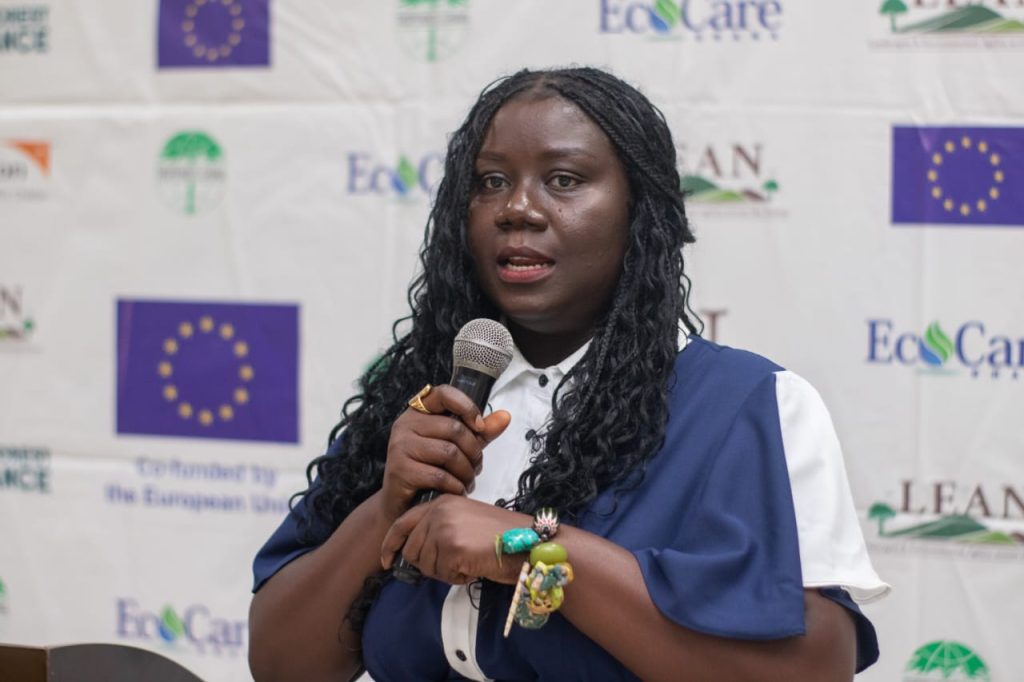
Madam Abena Dufie Woode, the Consortium Lead, expressed satisfaction with the project, adding that through it two landscape management boards had been established in the Savannah landscape.
She said the capacity was built to ensure that they led landscape restoration and natural resources management and protection.
She said through the project had distributed and planted across the 250,000 hectares, adding that most of the farmers and beneficiaries recounted how the planting of the
trees on their farms, especially their cocoa farms, helped improve their yields over the four years.
She said, up in the savannah area, where most of the farmers were into cashews, the feedback was that the LEAN project had helped improve the cashew value chain.
Madam Woode said within the transition, most of the farmers and market women were also involved in the fruit trees and the development of the fruit value chain.
“We have also helped improve the resilience of most small-holder farmers,” she added.
She said at least 26,000 of these were trained on climate-smart agricultural activities, which had improved their yields over time.
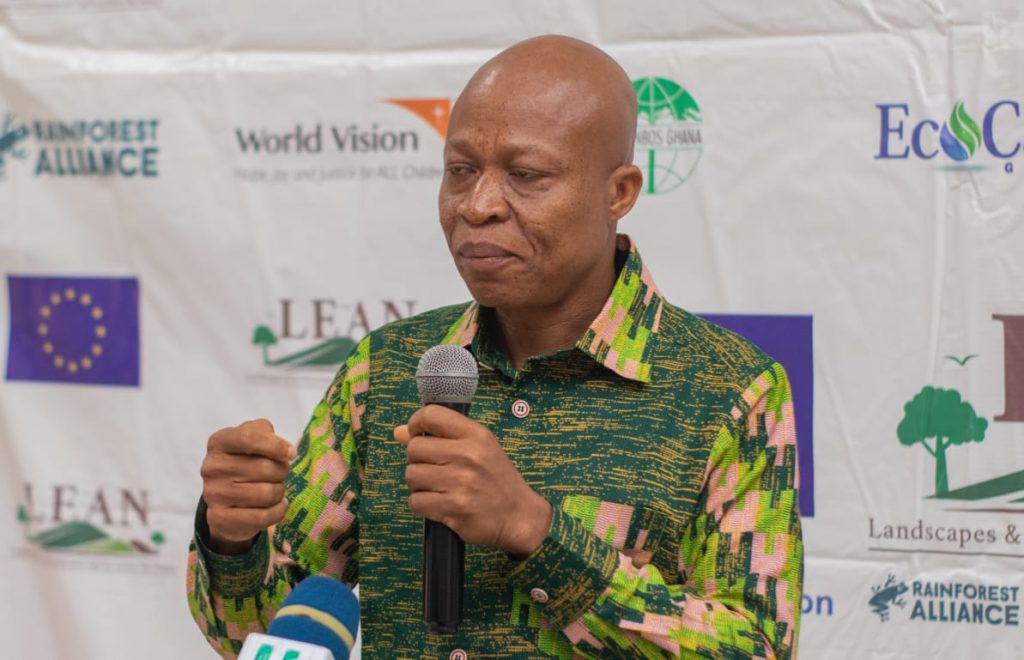
Nicholas Jengre, Country Director Rainforest Alliance, said through World Vision Ghana, the project had also introduced smallholder farmers to the Village Savings and Loans Scheme.
She said this had encouraged a savings culture among the rural folks and provided them with financial assistance.
The project presented some five motorbikes to the Landscape Management Board and other partners to ensure sustainability.
GNA
Christian Akorlie