By Solomon Gumah
Walewale (NE/R), May 29, GNA – Mr Constant Tchona, Country Director, Plan International Ghana, has called on the government to ensure the effective implementation of the Free Pad Initiative, especially in hard-to-reach rural communities to enhance inclusivity.
He emphasised the importance of sustainable investment in menstrual health education and school sanitation facilities, and urged government to promote large-scale local production of sanitary pads.
Mr Tchona made the call at Walewale in the West Mamprusi Municipality of the North East Region to commemorate this year’s World Menstrual Hygiene Day.
The event, organised by Plan International Ghsanion the theme: “Together for a Period-Friendly Ghana”, brought together various stakeholders to raise awareness about the challenges women and girls faced in managing menstruation, and to advocate increased investment in menstrual health education and WASH facilities in schools.
Mr Tchona commended the government for allocating GHc292.4 million in its 2025 budget for the distribution of free sanitary pads to female students in primary and secondary schools, saying such initiative would help reduce absenteeism, improve menstrual hygiene, and break the cycle of poverty that disproportionately affected girls.
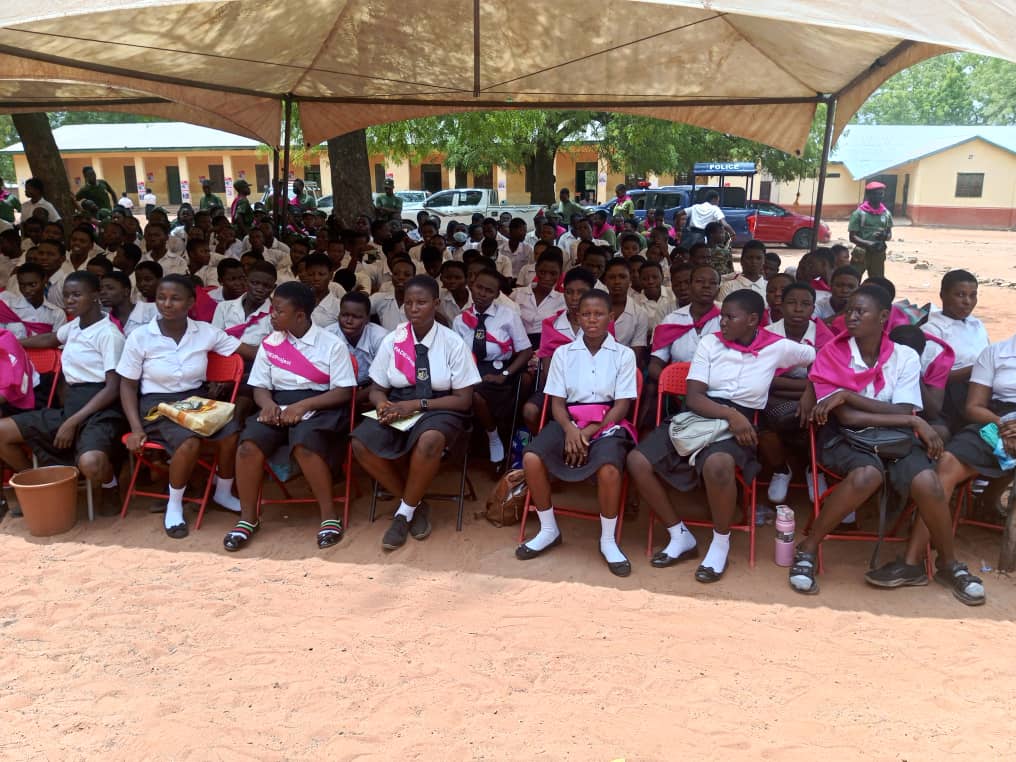
He reaffirmed Plan International Ghana’s commitment to collaborating with the government and communities to advance menstrual equity and gender equality.
He highlighted key interventions by the organisation, including supporting visually-impaired girls to advocate for water, sanitation and hygiene (WASH) facilities, constructing over 100 girl-friendly latrines, launching pad banks in schools and universities, and distributing reusable pads to over 150,000 girls, amongst others.
He said, “Menstruation is not a choice. It is a natural, healthy part of life. Yet for far too long, the word ‘period’ has been whispered in shame, wrapped in stigma, and burdened in silence.”
He added that “Today, we take a stand for every girl, who has missed school, for every woman, who has suffered in silence, and for every voice that has gone unheard.”
Mr Ibrahim Tia, North East Regional Minister, underscored the significance of the celebration as a call to collective action to safeguard the dignity, health, and educational rights of young women.
He praised Plan International Ghana for its continued support for development efforts in the region.
He said, “Your interventions under the Integrated Package for Sustainable Development (IPADEV) project are exemplary and deeply impactful.”
Mr Tia emphasised the vital role of parents and guardians in guiding and protecting children, saying “We must remain vigilant and involved in the lives of our young ones to steer them away from harmful behaviours like substance abuse and peer pressure that can derail their future.”
Reverend Ibrahim Sebiyam, Headmaster of Walewale Senior High/Technical School, expressed appreciation to the government and development partners for their support.
He appealed to Plan International Ghana and other benevolent organisations to prioritise the provision of a female-friendly toilet facility, changing rooms, and potable water for the girls in the school.
He lamented about the school’s current reliance on the Community Water and Sanitation Agency for water supply, which he described as erratic and inadequate.
The Headmaster said, “With a student population of about 2,013, the school faces limited water storage facilities. This often forces students to leave campus in search of water disrupting academic activities and leading to indiscipline.”
World Menstrual Hygiene Day, observed annually on May 28, is a global initiative aimed at raising awareness about menstrual health and hygiene, promoting good practices, and breaking myths and misconceptions surrounding menstruation.
As part of the celebration, Plan International Ghana distributed 1,000 reusable sanitary pads to girls at the school and provided education on their proper use.
GNA
Edited by Eric K. Amoh/Christian Akorlie