By Elizabeth Larkwor Baah
Tema, May 31, GNA — Plan International has officially concluded a 22-month project dubbed the “Stronger Together” project, an initiative aimed at enhancing sanitation, environmental sustainability, and economic opportunities in Ashaiman.
The programme, held in partnership with Safisana Ghana Limited, was launched in September 2023 under the theme “United for Change: Building Healthier, Greener and Fairer Communities.”
The event featured poetry, cultural dance and a series of solidarity messages from all partner organisations, underscoring their collective commitment to the objectives of the Plan International Ghana “Stronger Together” project.
They outlined the tangible benefits of the project, such as improved access to strengthened social protection systems and the creation of sustainable livelihoods.
Mr Constant Tchona, Country Director, Plan International, said when the 22-month project was launched, there were three interwoven challenges in Ashaiman they faced, which included a public health crisis, an environmental crisis, and a livelihoods crisis.
Mr Tchona said the community was struggling with poor sanitation, unsafe public toilet facilities, contaminated water sources, degraded soil, and limited economic opportunities, especially for women and young people, adding that open defecation remained common due to unsafe and unhygienic sanitation options.
He added that climate change was compounding vulnerabilities, affecting farming, water access, and household resilience, adding that fertiliser prices were rising, while far too many young people, especially girls and young women, were excluded from the economic systems that could lift them out of poverty.
He said over 120 students were trained through the project to serve as sanitation ambassadors, empowering them to lead hygiene education in their schools and homes, and worked with toilet operators and vacuum truck operators, as well as engaged communities in dialogue about the importance of safe waste disposal and helped shift perceptions around hygiene and cleanliness.
The country director added that they relied on the expertise of Safisana to transform waste into products such as biogas, bioelectricity and biofertilisers from both organic and faecal waste, expressing the hope that the project would be sustained by the community.
Ms Judith Mol, Plan International, Netherlands, emphasised that the overarching objective of the institution is to foster a cleaner, healthier, and more resilient environment within the target communities, noting that the project was underpinned by innovative waste-to-energy and waste-to-wealth business models, specifically designed to address the complex challenges of sustainable sanitation management in low-income settings.
Ms Mol further elaborated that Plan International strongly recognises the indispensable role of public-private partnerships in achieving lasting impact, saying that a collaboration with private sector actors enhances the capacity of such interventions by contributing technical expertise and mobilising additional resources.
Ms Mol called on all stakeholders, including farmers and community members and development partners, to remain actively engaged even after the project’s formal closure. She urged them to consolidate the gains made and to build on the foundation laid by the initiative to achieve higher levels of productivity, economic resilience, and environmental
Mr Eric Ayaba, Head of Programmes and Influencing, Plan International Ghana, described the project as the most innovative economic empowerment project on a pilot basis with Safisana, explaining that it has had a significant impact on people, especially the vulnerable.
He highlighted the uniqueness of the project, noting that, unlike previous interventions which Plan Ghana typically championed in deprived communities, this particular programme was implemented in a densely populated urban setting, Ashaiman.
He stated that this project exemplifies the concept of waste as wealth by transforming waste into valuable products that benefit society, saying that the initiative serves not only as a tool for human empowerment but also addresses several critical issues, including environmental protection, public health, and climate change.
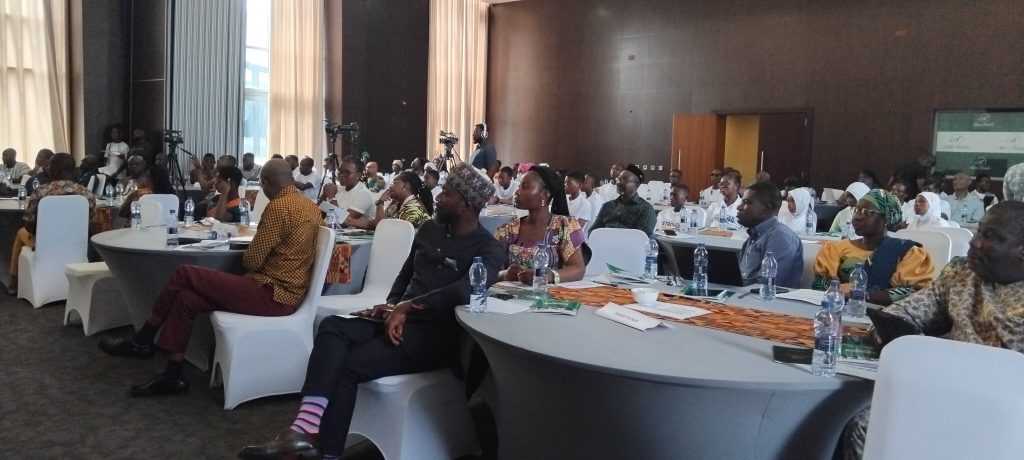
The “Stronger Together” programme close-out was attended by a diverse group of stakeholders, including traditional leaders from Ashaiman, civil society representatives, local government officials, youth advocates, and development partners.
GNA
Edited by Laudia Sawer/Benjamin Mensah