By Elizabeth Larkwor Baah
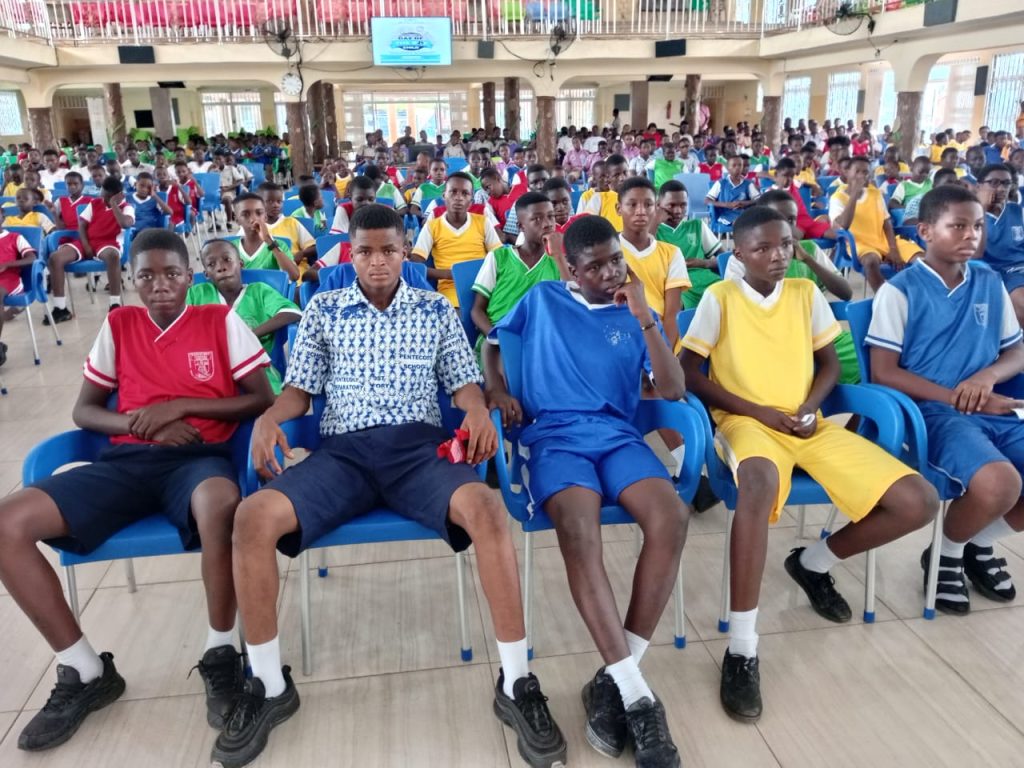
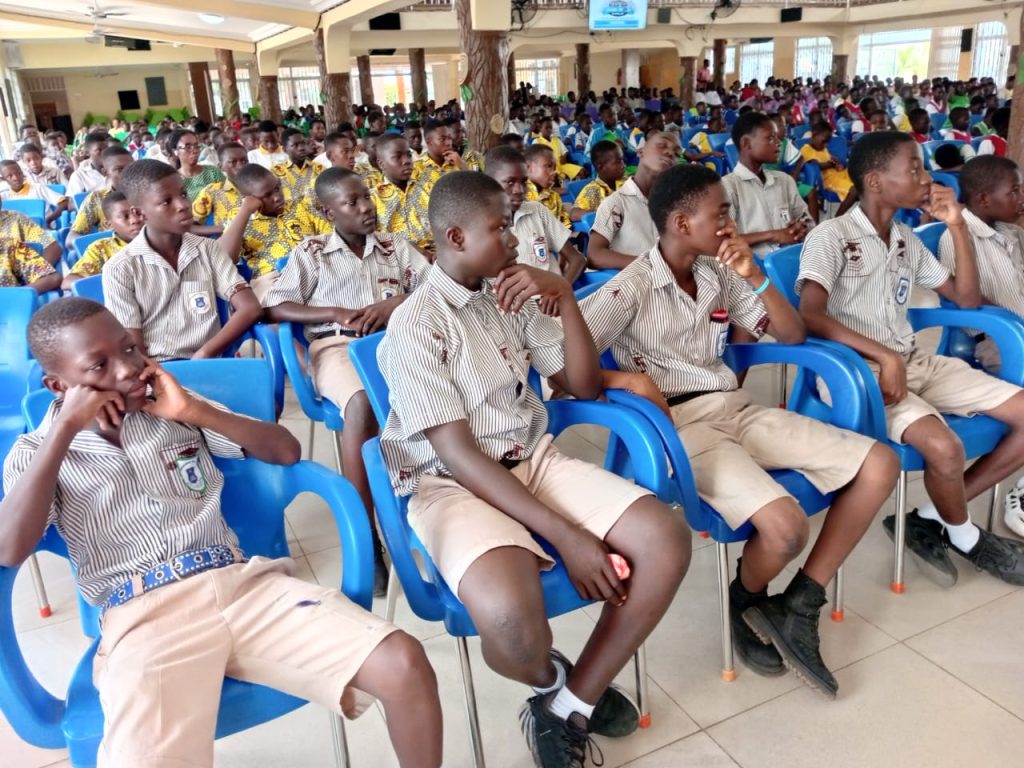
Ashaiman, May 17, GNA – The Church of Pentecost’s School Outreach Ministry (SOM) has organised a grooming programme for over 500 pupils in Ashaiman to commemorate the 2025 International Day of the Boy Child.
The event, held under SOM’s theme “Unleashing the Boy Child Through Holistic Development,” brought together students, educators, and the clergy to address the unique needs and challenges facing boys today.
The programme, organised in collaboration with the Pentecost’ Men Ministry and Ghana Education Service, sought to create a safe and empowering space for boys to learn, express themselves, and receive guidance on critical aspects of personal development.
Apostle Vincent Anane Denteh, National Director of Pentecost’s Men Ministry, said research he undertook on identity crisis within the context of gender and cultural dynamics revealed that a considerable number of individuals born and raised in Africa lack proficiency in their indigenous languages.
Apostle Denteh, chairing the event, emphasised the crucial role of language in shaping cultural identity and called on parents to actively teach their children local languages to preserve their cultural heritage.
He also underscored the importance of nurturing the moral development and mental well-being of children, noting that disparities in mental health significantly affect children’s academic participation and overall development.
According to him, although some of these challenges might stem from genetic experiences of abuse, it was important to raise and guide the boy-child responsibly.
He cautioned against bullying; excessive academic pressure in the pursuit of being first; and substance abuse, as they contribute to deteriorating mental health, and also advised children to avoid placing undue trust in things they see on social media and within their communities, stressing the need to fear the lord.
Apostle Professor Joseph Buertey, Board Chairman of SOM, speaking on the theme, underscored the urgent need to prioritise mentorship programmes for the boy child, noting that the lack of such guidance had adversely affected their sense of identity, values, and purpose, saying that contemporary portrayals of masculinity were often distorted, leaving boys without clear direction.
Drawing on Luke 2:52, he highlighted four essential dimensions of empowerment critical to the holistic development of the boy child, which included wisdom, representing intellectual and mental growth; stature, denoting physical development; favour with God, reflecting spiritual and moral grounding; and favour with man, indicating social intelligence and interpersonal competence.
He further highlighted the importance of equipping boys with critical thinking skills, encouraging a strong commitment to both academic and technical education, and urged parents to support their children by ensuring a balanced diet, promoting physical exercise, instilling values such as respect, and fostering spiritual growth through Bible reading and prayer.
Mr Peter Abledu-Golden, Greater Accra Regional Public Relations Officer, Ghana Education Service (GES), representing the Greater Accra Regional Director of Education, said that Ghana had demonstrated a longstanding commitment to universal education for children, dating back to the colonial era and continuing through the post-independence period.
He said this commitment was reflected in the country’s ratification of key international labour instruments and conventions, as well as the development of robust legal and policy frameworks aimed at achieving universal access to education.
He highlighted international frameworks to which Ghana was a signatory and national legal instruments that promote educational equity, referencing the 1992 Constitution, which guarantees the right to equal educational opportunities for all persons, and the Children’s Act, 1998 (Act 560), among others, saying that the GES was committed to ensuring that vulnerable and marginalised children do not risk missing education.
The participants were given wristwatches, a copy of the New Testament Bible, and snacks each.
GNA
LS/KOA