By Muyid Deen Suleman
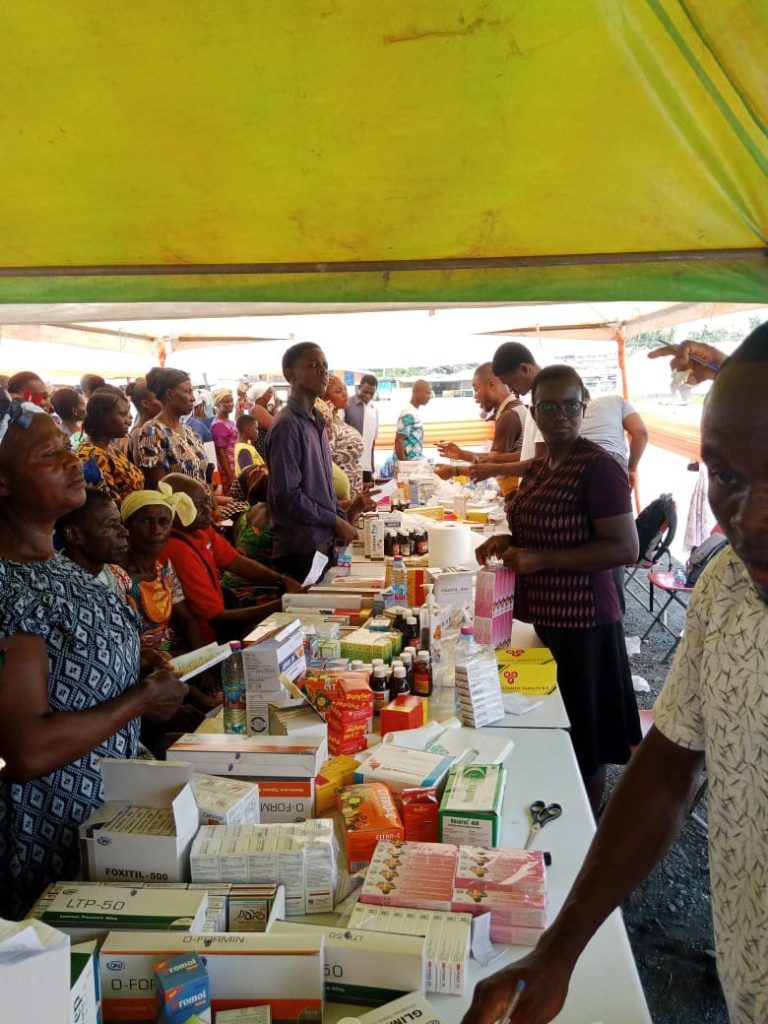
Kumasi April 28, GNA – AngloGold Ashanti Obuasi Mine has marked World Malaria Day with the hosting of a mini clinic for the residents of Obuasi and its environs.
The event was organized in collaboration with AGAMal, the AGA Health Foundation, the Municipal Health Directorates of Obuasi East and Obuasi West, along with other stakeholders.
World Malaria Day is celebrated on April 25, every year to recognize global initiatives and interventions to combat malaria.
The theme for this year’s observance, “Malaria ends with us: Reinvest, Reimagine, Reignite,” seeks to invigorate efforts across all levels—from overarching global policy to grassroots community action—to hasten progress towards the elimination of malaria.
Malaria continues to be one of the foremost causes of morbidity and mortality, particularly affecting vulnerable populations such as children under five and pregnant women.
Although Ghana has achieved significant milestones in reducing malaria prevalence and fatalities, the disease remains a formidable public health challenge.
Mr. Edmond Adjei Oduro, Community Relations Manager of AngloGold Ashanti, speaking at the ceremony, said though the journey towards malaria elimination might be lengthy and intricate, it was attainable with the implementation of appropriate systems.
These systems, he said, encompassed robust surveillance, capacity enhancement, effective partnerships, governance, and cross-border collaboration.
He underscored AngloGold Ashanti’s unwavering commitment to the welfare of the residents in its host communities, emphasizing the imperative to leave no stone unturned in its endeavour to execute healthcare interventions outlined in its 10-year Socioeconomic Development Plan.
According to him, the AngloGold Malaria Control Program (AGAMal) has initiated an Indoor Residual Spraying (IRS) campaign aimed at treating residences and offices with anti-malaria chemicals to curtail mosquito breeding.
He noted that promoting healthy living was a collective effort and urged the people to remain vigilant on their health issues.
Mr Ignatius Williams, the Head of Monitoring and Evaluation for AGAMal programme, highlighted the success so far of the 11-week Indoor Residual Program (IRP) in the Obuasi district, emphasizing the positive response it had received from the community.
He urged the government to consider replicating the programme in other regions, citing the significant impact it has had on malaria prevention and control in the Obuasi area.
In addition to the IRP, Mr Williams mentioned that various other interventions had been implemented to combat malaria effectively in the area.
These initiatives, ranging from community education campaigns to the distribution of mosquito nets, aim to completely eliminate malaria transmission and reduce the burden of the disease on the population.
Furthermore, Mr Williams stressed the importance of early detection and treatment of malaria and encouraged individuals to prioritize regular health check-ups to detect any potential malaria infections at an early stage, enabling prompt and effective treatment to prevent complications.
GNA
KOM/CA