By Priscilla bour
Kumasi, Oct. 29, GNA – Quality of literacy, availability of affordable books and the cultivation of a reading culture, are critical in building a knowledge-driven economy.
Professor Christian Agyare, Vice Chancellor of the Kwame Nkrumah University of Science and Technology (KNUST), who stated this, said books remained indispensable for transmitting knowledge, preserving cultural heritage, stimulating critical thinking and inspiring innovation.
In an address read for him by Mr Samuel Adu-Gyamfi, Vice Dean, Faculty of Social Sciences, KNUST, at the 50th anniversary symposium organized by the Ghana Publishers Association in partnership with KNUST in Kumasi, Professor Agyare pointed out that, literacy empowered individuals to make informed decisions, participate meaningfully in society and contribute to national progress.
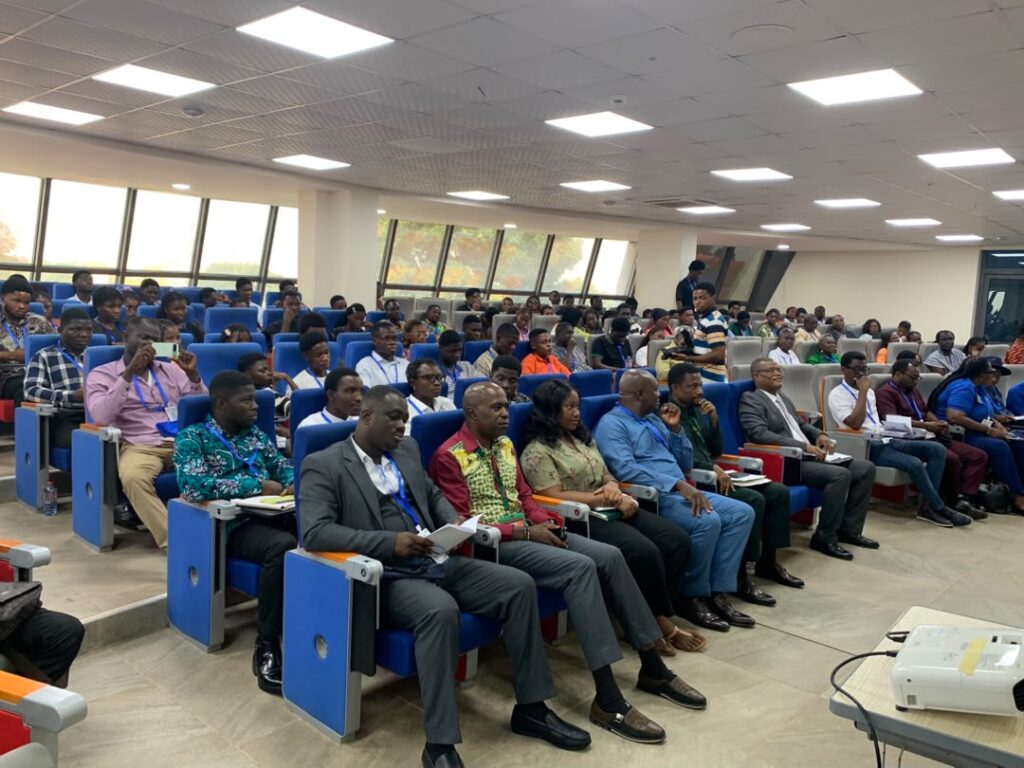
The symposium, which was on the theme: “Empowering Minds: The Future of Books and Literacy in Ghana”, brought together key stakeholders in education and publishing to reflect on 50 years of publishing in Ghana and to chart a path for the future.
Professor Agyare stressed the need for every child to have the opportunity to discover the joy of reading, and every learner should have access to appropriate, relevant and high-quality learning materials,” he said.
He noted that the publishing industry was experiencing profound changes driven by digital transformation, presenting opportunities to expand access to knowledge, but also challenges relating to affordability, unequal digital access, piracy and protection of intellectual property.
He called for strong collaboration among government, educational institutions, publishers, authors, libraries and the private sector to ensure books remained accessible while protecting the interests of authors and publishers.
Professor Felix Narku Engman Associate Professor at the Kumasi Technical University, said nations must not simply react to changes in books.
Prof Engman said overcoming exclusion, enabling creativity and empowering people to create and apply knowledge were vital for improving lives and national development.
He said books remained powerful foundations for development, connecting readers to scientific discoveries, historical experiences, cultural knowledge and global ideas that helped individuals understand complex subjects, develop businesses and improve agricultural practices.
He said literacy went beyond recognizing letters to include reading comprehension, critical thinking, problem-solving and the ability to apply knowledge to everyday life.
Prof Engman observed that, for many households facing financial pressure, books often competed with basic needs such as food, transport, accommodation and healthcare.
He therefore, stressed the need for deliberate measures to reduce production and distribution costs and to support disadvantaged learners, while ensuring fair compensation for authors, printers and publishers.
He said libraries must be repositioned as active centres of discovery, dialogue, creativity and community learning, rather than mere storage rooms for books.
Mr. Edward Yaw Udzu, Esq. President of the Ghana Publishers Association, said the future agenda must focus on strengthening school, public and community libraries, including mobile and digital services, to ensure accessibility based on relevance and contribution to literacy.
He said there was the need to support Ghanaian authors and publishing in Ghanaian languages through professional development, translation, improved discoverability and transparent local commissioning and purchasing.
He said the Association would accelerate inclusive digital publishing by building capacity for e-books, audiobooks, mobile-friendly publications and accessible resources.
Mr Udzu, said the economics of publishing must be strengthened through more efficient supply chains, transparent procurement, professional training, digital distribution, and stronger regional market links.
He called for investment in research and evidence gathering regarding reading habits, book availability, library access, language preferences, digital reading and production costs.
On partnerships, Mr Udzu said practical partnerships must be established among government, publishers, authors, booksellers, librarians, educators, technology and communication companies and civil society.
He said government and policy makers must treat book publishing and literacy as strategic investments, coordinate relevant sectors, ensure equitable access and create an enabling environment for local publishing.
He urged authors and illustrators to continue documenting Ghanaian experiences and producing works that educate, entertain, inspire and challenge communities.
He charged educators and school administrators to make reading central to learning.
Mr Udzu said librarians and booksellers must bring books closer to communities, while tech and telecom companies must support affordable solutions that work in low-connectivity settings.
He encouraged young people to use technology while cultivating patience, deep reading, questioning information and creating knowledge rather than merely consuming it.
Mr Udzu expressed the desired future as one where every child had engaging reading materials, schools and community libraries served as active learning centres, geography and household income did not determine access, indigenous languages and digital media flourished, authors were globally recognized, publishers ran sustainable businesses and Ghanaian books reached audiences across Africa and the world.
GNA
Edited by Kwabia Owusu-Mensah/Kenneth Odeng Adade