By Albert Oppong-Ansah, GNA
Sawaba (N/R), Oct. 26, GNA – The North-East Regional Coordinating Council is promoting solar-powered water systems and dry-season farming to help communities adapt to climate change, as rivers dry up and traditional sources of irrigation become increasingly unreliable.
The initiative seeks to improve access to water for households and public institutions while supporting year-round farming through groundwater extraction powered by solar energy.
Mr Ibrahim Tia, the North-East Regional Minister told the Ghana News Agency that climate change was increasingly affecting water availability and making farming along river bodies less sustainable, requiring communities to explore alternative water sources.
“We cannot rely on our river bodies. Climate change is fast catching up with us, and the only way is to explore other opportunities available for our activities,” he said.
He said the Council was working with district assemblies and development partners to extend access to water to communities, schools and other public facilities.
The Minister said solar-powered water systems offered a more sustainable option because they used sunlight, a readily available resource, to pump groundwater without the recurring fuel costs associated with conventional pumping systems.
Mr Tia said communities would mainly be responsible for the relatively low maintenance costs of the systems.
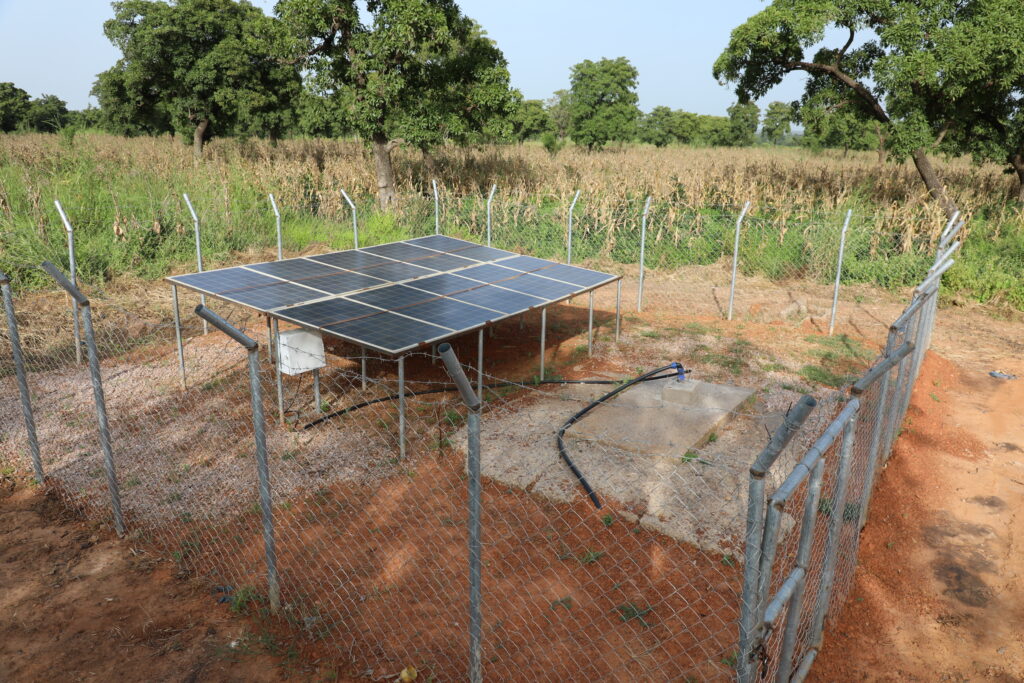
The Minister said the Council was also pursuing plans to expand dry-season farming by drilling boreholes on suitable farmlands and equipping them with solar-powered pumping systems to support irrigation throughout the year.
He said the approach would reduce farmers’ dependence on rivers, which were increasingly drying up, and allow them to cultivate fertile lands that could otherwise remain underused during the dry season.
The initiative is expected to create additional opportunities for farmers to increase production and improve their incomes while strengthening the region’s capacity to cope with changing rainfall patterns.
Mr Tia noted preparatory work was underway to establish facilities in each district to support the programme, with some infrastructure expected to be completed by the end of November.
The initiative forms part of broader efforts to strengthen local resilience to climate change through investments in water infrastructure, renewable energy and climate-smart agriculture.
The region relies heavily on rain-fed subsistence farming and is experiencing shorter rainy seasons, delayed rains, and dry spells that leads to lower crop yields, massive crop failures, and significant post-harvest losses.
It is also witnessing prolonged dry seasons and rising temperatures dry up water bodies, lower water tables, and degrade topsoil.
Seasonal hunger peaks sharply during lean periods (such as May–June) because households cannot store or produce enough food year-round.
Declining farm incomes narrow economic options, pushing young people to migrate south and increasing competition for scarce natural resources—which can fuel local farmer-herder tensions.
GNA
Edited by Kenneth Odeng Adade
26 October 2026
Reporter: Albert Oppong-Ansah
Email: [email protected]