By Elizabeth Larkwor Baah, GNA
Buade (GAR), Oct. 22, GNA – Eco Impact Network, a non-profit organisation, has called for increased public commitment to regular handwashing with soap as a means of preventing infectious diseases and improving public health.
Ms Gifty Ofori Yeboah, Chief Executive Officer (CEO) of the Network, said proper handwashing remained one of the most effective and affordable ways of reducing the spread of diseases such as cholera, typhoid fever, dysentery and diarrhoeal infections.
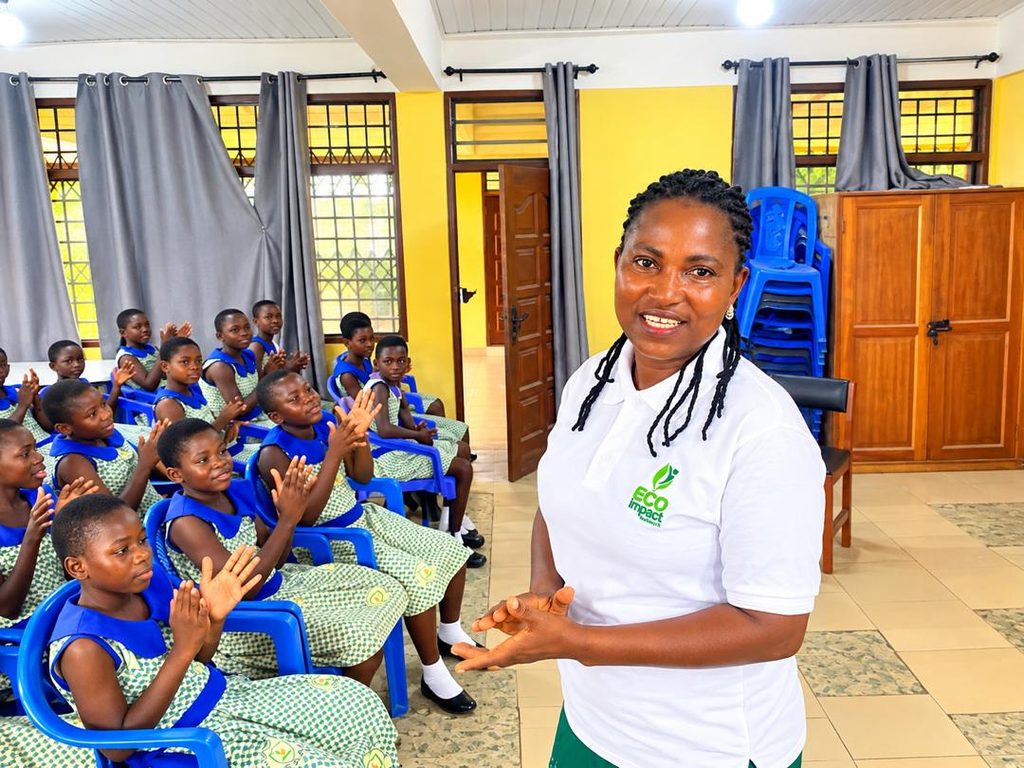
She made the call during a handwashing education programme organised to mark Global Handwashing Day at the SDA School in Nungua Buade.
The programme sought to educate pupils on the importance of hand hygiene and encourage them to make handwashing a regular habit at home, in school and within their communities.
As part of the event, the Network donated liquid soap, tissue towels and other hygiene materials valued at GHS4,915 to the school to support handwashing promotion among pupils under the Network’s “Support One Child at a Time” initiative.
Ms Ofori Yeboah said handwashing with soap at critical times, including after using the toilet and before preparing or eating food, could significantly reduce the spread of germs responsible for many preventable illnesses.
She noted that children needed to understand the importance of keeping their hands clean because they frequently came into contact with contaminated surfaces and could transfer germs to their mouths while eating.
Ms Ofori Yeboah called on parents, teachers and community leaders to support hygiene education and ensure that children had access to soap and clean water for regular handwashing.
She emphasised that promoting hand hygiene required more than periodic public education campaigns and urged stakeholders to make the practice an integral part of daily life.
She said the Network remained committed to promoting the message that clean hands protected individuals, families and communities from preventable diseases.
Ms Ofori Yeboah appealed to stakeholders, organisations and individuals to support efforts to extend handwashing education to underserved communities, particularly in hinterland areas where access to hygiene information and essential supplies remained limited.
According to her, sustained support would enable more children and communities to benefit from hygiene education and develop healthy habits that safeguarded their wellbeing.
She urged Ghanaians to regard handwashing as a daily health practice rather than an activity undertaken only during disease outbreaks.
Ms Ofori Yeboah further underscored the need for collective action among individuals, schools, communities and development partners to promote good hygiene practices and reduce the burden of preventable infectious diseases.
GNA
Edited by Laudia Anyorkor Nunoo/Lydia Kukua Asamoah
Reporter: Elizabeth Larkwor Baah
[email protected]