By Isaac Arkoh
Cape Coast, Sept. 24, GNA – The Central Regional Office of the Ghana Tourism Authority (GTA) has marked the 2026 World Tourism Day committing to collaborate with stakeholders to integrate Artificial Intelligence (AI) into the region’s tourism and hospitality services to improve efficiency, visitor experience and destination marketing.
The Authority says bolstering tourism and hospitality services with AI meant using data-driven tools such as smart booking systems, virtual guides and visitor analytics to personalise experiences, streamlines operations and optimise marketing.
Ultimately, the move will increase visitor satisfaction and revenue while enabling managers to make faster, evidence-based decisions and improve resource use across the region.
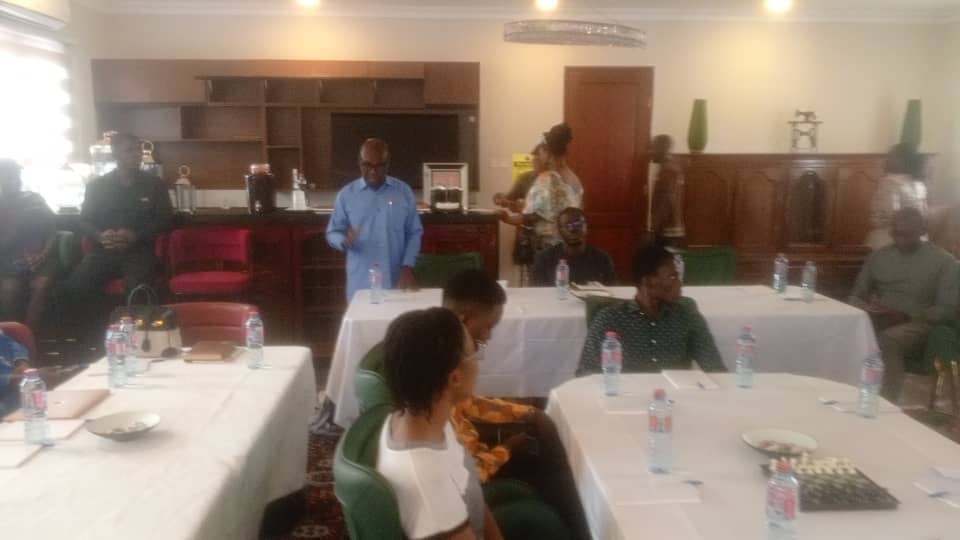
Mr Charles Buabin, the Regional Director of GTA gave the assurance at the opening of a day’s seminar to herald the commemoration of the Day in Cape Coast.
Themed: “Digital agenda and AI to redesign tourism,” the Day is celebrated to recognise the importance of tourism in promoting economic development, cultural exchange, peace and sustainable growth, while encouraging responsible travel and community development.
The forum assembled key stakeholders including facility owners and managers, academia, students, tourism enthusiasts and members of the media to discuss AI-driven solutions for bookings, visitor-data analytics, virtual guides and smart facility management.
Ghana will officially mark the Day with a week-long celebration fused with the Eastern Expo in Koforidua, Eastern Region, from Friday, September 26 to Sunday, October 3.
It would bring together stakeholders in Tourism, Culture, Creative Arts and investment to promote sustainable development and unlock new opportunities within the sector.
The celebration is being held under the theme: “Unlocking opportunities for sustainable trade, tourism and investment.”
Facilitating the seminar, Professor Ishmael Mensah, a Professor of Tourism and Hospitality Management at the University of Cape Coast, regretted the digital gaps in Ghana’s tourism industry.
According to him, around 80 percent of hotels in the country still lacked websites, depriving them of AI aids to boost efficiency, competitiveness and sustainability.
The Professor of Tourism and Hospitality Management said AI could deliver the same or better results with fewer resources, less time and lower cost, helping hotels operate smarter and more responsively.
He noted that by adopting AI tools responsibly, Ghanaian hotels would improve guest experiences, capture more bookings and operate more sustainably, but urged managers to combine technology with human oversight to avoid errors and maintain service quality.
He contrasted this with international trends, citing that a large share of travellers use AI tools when planning trips although inaccurate information remained a problem for global travellers, but better AI systems could reduce those errors.
Prof Mensah explained: “AI influences every stage of a visitor’s journey: from initial motivation and trip planning to booking, the stay itself and post-visit experience.
“Examples include AI-generated travel content, personalised trip planners and chat assistants that provide real-time recommendations and answers.”
In operations, he said AI could support all hotel departments’ front office, revenue management, human resources and guest services by automating routine tasks, improving dynamic pricing, managing bookings and ensuring timely responses to enquiries, including after-hours messages on platforms like WhatsApp.
Dr Francis Junior Quaye, the Head of Department of Tourism and Hospitality at Zenith University College, said technology was changing tourism through tools such as AI and generative AI, big data and analytics, the internet of things, geographic information systems, virtual and augmented reality and digital payment and eticketing.
He noted that the Central Region possessed heritage attractions capable of drawing concentrated visitation during peak events, and that digital ticketing could produce time‑stamped visitation data to distinguish peak and quiet periods.
He urged hotels to prioritise online reviews and asked the GTA to install anonymous sensor or computer‑vision systems to support visitor‑flow monitoring.
He warned that high visitor numbers did not necessarily mean a healthy site, since crowding, waste, water use, damage, complaints, or rising community tension could signal poor performance.
Mr Victor Minta, the National President of the Ghana Hotels Association, commended the GTA for its commitment to the sector’s progress and urged the government to reduce the number of taxes levied on the industry to bolster growth.
He said rising taxes and the proliferation of multiple levies were crippling the sector by eroding profit margins, discouraging investment and forcing hotels to cut services or raise prices.
Some managers of hotels in an interview with the Ghana News Agency welcomed the use of AI to improve operations and guest experiences, while others called for targeted investment and special packages to revamp hotels and support hospitality players across Ghana.
GNA
Edited by Alice Tettey/Benjamin Mensah
Reporter: Isaac Arkoh
Reporter’s email address: [email protected]