By Michael Pepsin Avorgah, GNA
Aflao (V/R), Nov. 10, GNA – Residents and traders in Aflao have called for the establishment of an ECOWAS office at the Ghana-Togo border to enable citizens to report alleged extortion and other difficulties encountered during cross-border movements.
They said the office would provide a direct channel for reporting incidents, submitting evidence and seeking assistance on challenges affecting their movement and trading activities.
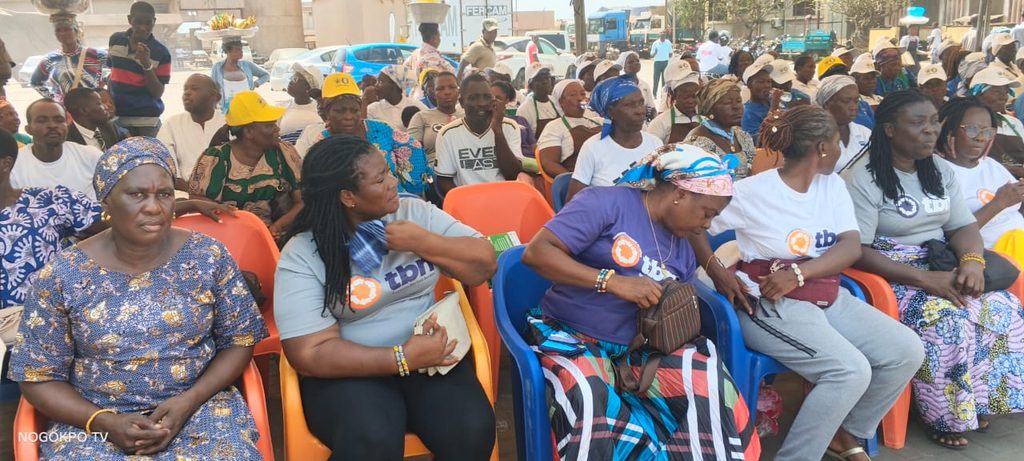
The call was made during a National Citizens’ Engagement and Public Sensitisation Campaign organised by the ECOWAS National Office of the Ministry of Foreign Affairs in Aflao to educate traders, transport operators, border officials and the general public on their rights and responsibilities under ECOWAS protocols.
The engagement, held under the theme: “Bringing ECOWAS Closer to the Citizens: Promoting Awareness, Participation and Opportunities for Regional Integration,” provided a platform for participants to raise concerns and seek answers from authorities on challenges affecting cross-border movement and trade.
Some participants who spoke to the Ghana News Agency (GNA) expressed disappointment that officials from Togo were not represented at the engagement, saying most of their concerns related to their experiences with border officials on the neighbouring country’s side.
They alleged that they had repeatedly reported the challenges to local authorities, traditional leaders and the Municipal Assembly without receiving the needed response.
They therefore appealed to the Ministry of Foreign Affairs to engage the relevant authorities in Togo and address the concerns, while calling for regular sensitisation programmes to educate citizens on their rights and responsibilities as ECOWAS citizens.
Ambassador Francis Danti Kotia, Coordinating Director, Multilateral and International Organisations at the Ministry of Foreign Affairs, in a keynote address, said ECOWAS was established 51 years ago to promote economic integration, peace, stability and prosperity among citizens of member states.
He said the organisation had remained the most viable platform for regional integration in the sub-region, although many ordinary citizens continued to perceive it as an institution meant mainly for Heads of State and Government.
He said the campaign was intended to address that perception by making citizens understand that ECOWAS belonged to them and that they had fundamental rights and responsibilities under the regional community.
“The ECOWAS we want is an ECOWAS of people, not ECOWAS of states,” he said, adding that the Ministry wanted to bring the organisation to the doorsteps of ordinary citizens.
Ambassador Kotia described the Aflao border as the nerve centre of regional trade and human mobility, noting that developments there had a direct impact on the regional integration agenda.
He reminded citizens of their responsibility to travel with valid documents, submit themselves to legitimate border procedures and respect the laws of host member states.
Captain George Kofi Nfodjo (Rtd), Ghana’s Ambassador to Togo, acknowledged the difficulties some citizens encountered when crossing borders, saying he had personally witnessed incidents and received reports of people allegedly being asked to pay money to border officials before being allowed to cross.
He described such practices as unfortunate and called for them to be addressed at the highest level.
He said citizens of ECOWAS member states were entitled to move freely within the region without extortion and cautioned border officials to discharge their duties responsibly.
Mr James Gunu, the Volta Regional Minister, said the initiative was important to the Volta Region because of its strategic geographical location and shared border with Togo.
He described Aflao as a major gateway for trade, travel, cultural exchange and people-to-people relations, noting that ECOWAS policies and protocols directly affected the daily lives and economic activities of residents, traders, transport operators and businesses.
He said regional integration must go beyond agreements and policy documents to deliver tangible benefits to ordinary citizens through increased trade, employment opportunities, stronger security cooperation and improved economic relations among member states.
Mr Gunu encouraged traders, transport operators, market women, border officials and the general public to take advantage of the engagement to understand their rights and responsibilities under ECOWAS protocols and conduct their activities lawfully.
He also urged relevant institutions and stakeholders to strengthen collaboration in addressing cross-border challenges, including smuggling, human trafficking and other forms of transnational crime, while ensuring that legitimate movement and trade were facilitated.
The campaign was attended by traders, transport operators, traditional leaders, border security personnel, other stakeholders and members of the general public.
GNA
Edited by Maxwell Awumah/ Christabel Addo