By Prince Acquah
Cape Coast, Sept 04, GNA –It was a solemn and nostalgic moment of kinship, unity, reflection and renewed resolve as traditional authorities from Ga and Gonja lands joined the Oguaamanhen at the historic Cape Coast Castle on Thursday.
The presence of different ethnic groups and cultures, epitomised unity in diversity, at the memorial celebration to commemorate the Transatlantic Slave Trade.
The historic moment, graced by Vice President Professor Naana Jane Opoku-Agyemang, painted the city of Cape Coast with a colourful blend of three distinct cultures as the Paramount Chiefs and their entourage showed up boldly announcing their identities and traditions.
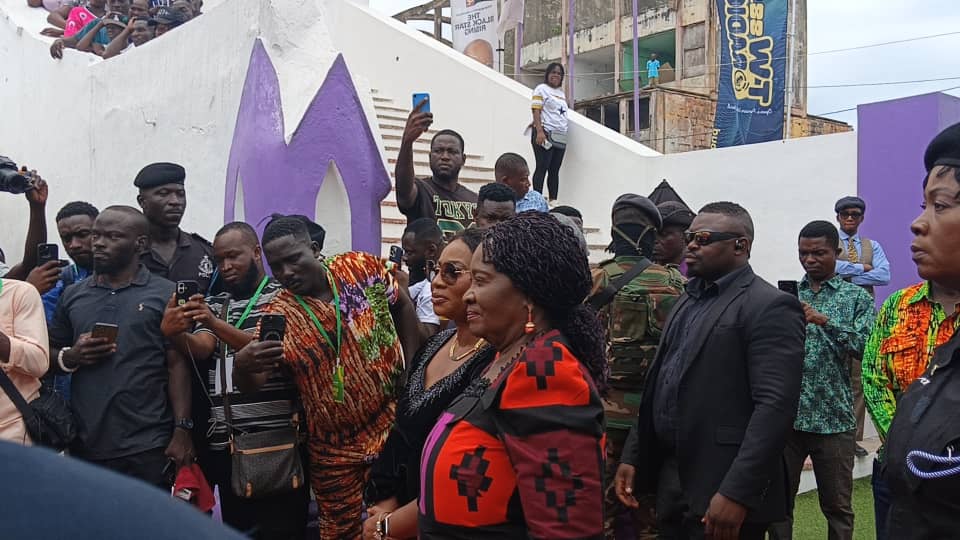
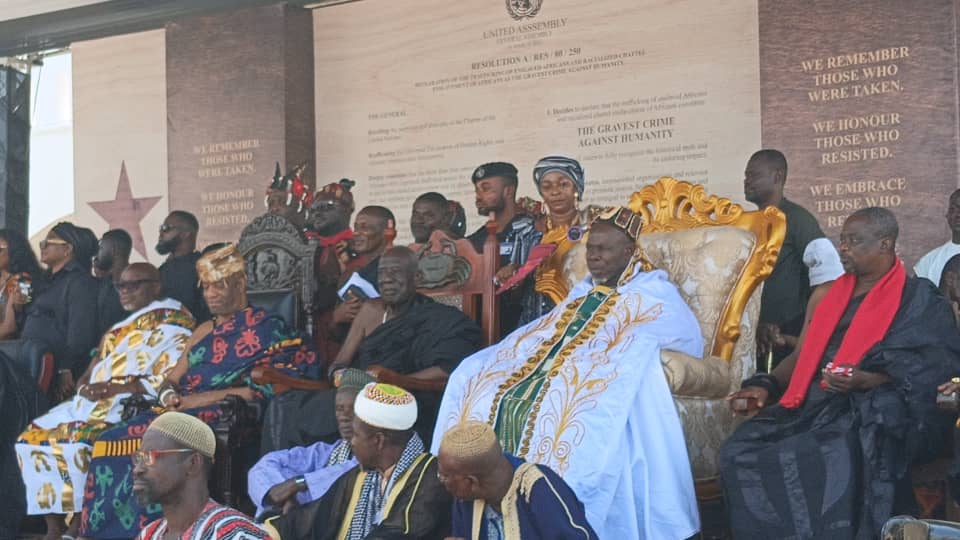
While Osabarimba Kwesi Atta II, the Oguaamanhen, and his people were largely clad in black, Nii Tackie Teiko Tsuru II, the Ga Mantse, and his people came mostly in colourful kente.
Jira Yagbon Wura Bi-Kuntuo Jewu Soale I, the Overlord of the Gonja land and his retinue, appeared mostly in traditional smocks, popularly known as fugu, with the Overlord standing out in a white apparel with intricate golden embroidery.
The memorial, a significant activity marking the 2026 Fetu Afahye, was held to honour the memory of African ancestors who were lost to the slave trade and advance the cause for reparatory justice.
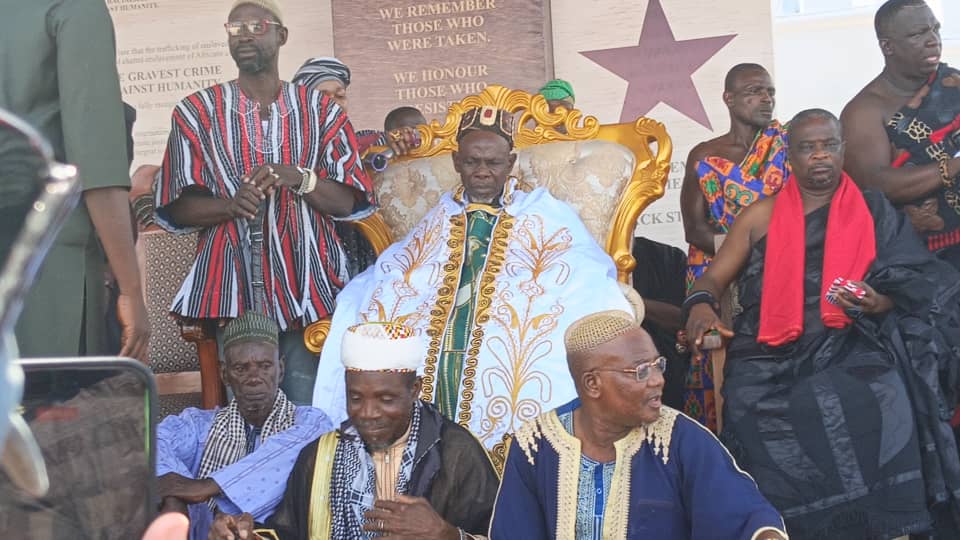
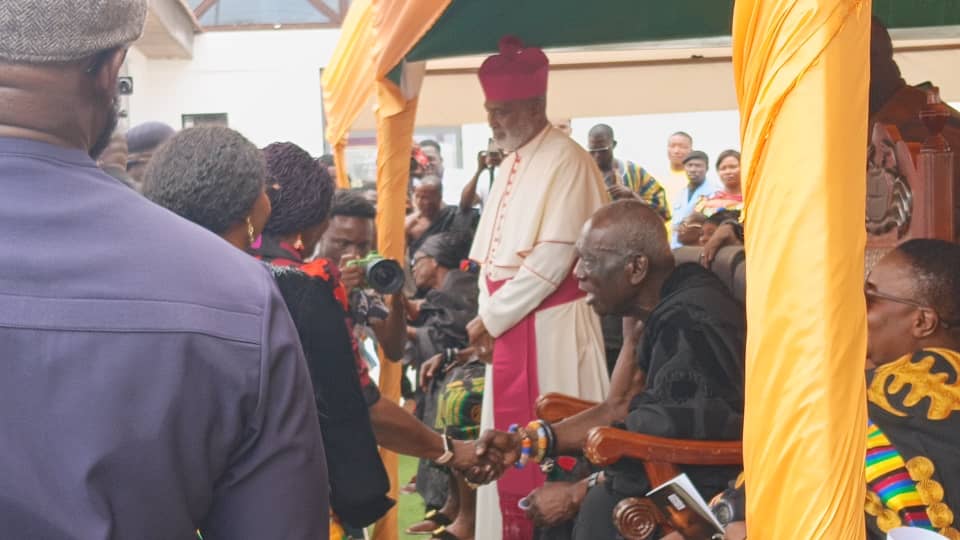
In a solemn and sombre atmosphere, a brief wreath laying ceremony was held which saw the Vice President, the three paramount chiefs, representatives of the Diaspora community and other stakeholders lay wreaths on the grave of Philip Quaque, an educator and missionary from Cape Coast, in the Castle to honour all ancestors.
The Vice President and the Oguaamanhen also unveiled a commemorative plaque at the Castle in memory of the ancestors.
Addressing the gathering, Prof Opoku-Agyemang called for a more concrete action towards reparatory justice to consolidate the international recognition of the Trans-Atlantic slave trade as the gravest crime against humanity.
She acknowledged that the adoption of the United Nations General Assembly Resolution 8250 on March 25, this year was an important achievement but was not enough to repair the centuries of injustice.
“Recognition creates responsibility,” she said, maintaining that the pursuit for true and impactful reparatory justice would involve education, preservation, restitution, appropriate legal pathways and sustained international engagements.
It would require contributions from history, law, economics, culture and international relations, she added, saying the differences over the form of justice should not be an excuse for inaction.
Highlighting the scale of the Trans-Atlantic Slave Trade, Prof Opoku-Agyemang said Africans were captured and commodified, causing severe disruption to communities and families and depriving the Continent of labour, skills and human potential which had resulted in sustained and systemic inequalities long after the abolition of slave trade.
She said: “Education, relevant education, is part of the responsibility. This history should be reflected accurately in our knowledge systems and encourage countries to integrate reparatory justice into their education broadly conceived in all its different forms.
“Our young people should understand how the trade operated, how it shaped societies on both sides of the Atlantic and why its consequences remain part of international discussion today.”
Touting Ghana’s leading role in the fight for reparation with support from the African Union, Caribbean partners and the wider international community, the Vice President reaffirmed the country’s commitment to the cause.
She assured that Ghana would continue to strengthen its relationship with the African diaspora through historical understanding, cultural exchange, investment and sustained engagement.
“Our responsibility is equally important here at home. Ghana is the custodian of some of the most significant surviving sites associated with the Transatlantic Slave Trade.
“Cape Coast Castle and other forts, castles and sites must be carefully preserved and honestly interpreted,” the Vice President charged.
Osabarima Kwesi Atta called for unity, vigilance and confidence among Africans, stressing that all people were created equal and that Africans should resist external domination and work together to restore their dignity and pride.
He cautioned Africans against losing their cultural identity, questioning why indigenous Africans, including Fante, Ashanti and Gonja people, should have to pass English before obtaining certificates.
He argued that the practice undermined African languages and culture.
He also expressed concern about the weakening of the extended family system and the growing preference for English among children, describing these as subtle ways of distancing Africans from their identity and traditions.
The Oguaamanhen, therefore, urged leaders and citizens to translate efforts at the international level into concrete action at home.
Nii Teiko Tsuru urged stakeholders to turn the commemoration of the painful history into concrete efforts to improve living conditions of citizens, promote unity and build a better future for African people.
He urged African leaders and citizens to focus on improving the lives of their people by expanding access to quality education, proper healthcare and sustainable livelihoods.
He also called on the African diaspora to strengthen its connection with the Continent by building networks and communities that would support Africa’s development and welfare.
Dr Abu Sakara, a revered politician, speaking on behalf of the Overlord of Gonjaland, called for a renewed bond between Africa and the diaspora, stressing that reparations should go beyond financial compensation to restore dignity and reconnect families separated by the slave trade.
He announced the Gonja King’s commitment to support the President’s citizenship initiative by making lands in the savannah available to members of the diaspora who wish to settle.
He urged them not only to visit the Gonja land but to join communities, settle and integrate with local people to build lasting bonds of kinship.
He said Africa’s growing population and youthful workforce placed the Continent in a strong position to become a global power but urged Africans to believe in themselves and work together.
Nana Ama Kese, (Charlotte Osei) the Nkum Ankobeahemaa, and Chairperson of the Afahye Planning Committee, called for the urgent documentation of oral histories from elders in Africa and the diaspora before the knowledge was lost.
She stressed that the consequences of the slave trade must be confronted through education, commemoration, truth-telling and reparative justice.
She also urged members of the African diaspora to make their homecoming more meaningful by reconnecting and becoming active members of traditional councils, community groups, schools and markets, rather than remaining as visitors.
GNA
Edited by Alice Tettey/Benjamin Mensah
Reporter: Prince Acquah
Reporter’s e-mail address: [email protected]