By Priscilla Oye Ofori
Accra, Sept. 04, GNA – The United Nations Development Programme (UNDP) and the Environmental Protection Authority (EPA) are calling for deliberate measures to mainstream gender in Ghana’s Refrigeration and Air-Conditioning (RAC) sector.
They said the RAC sector remained predominantly male, with women facing barriers to entry, training, employment and leadership.
Dr Abdul-razak Saeed, the Head of Environment and Climate, UNDP Ghana, at a Stakeholder Validation Workshop on the Gender Equality Strategy for RAC sector, noted that as demand for cooling services continued to rise, opportunities in the sector had not been equally accessible.
“As a country committed to sustainable development and gender equality, we cannot afford to leave more than half of our talent pool behind in such an important industry,” he added.
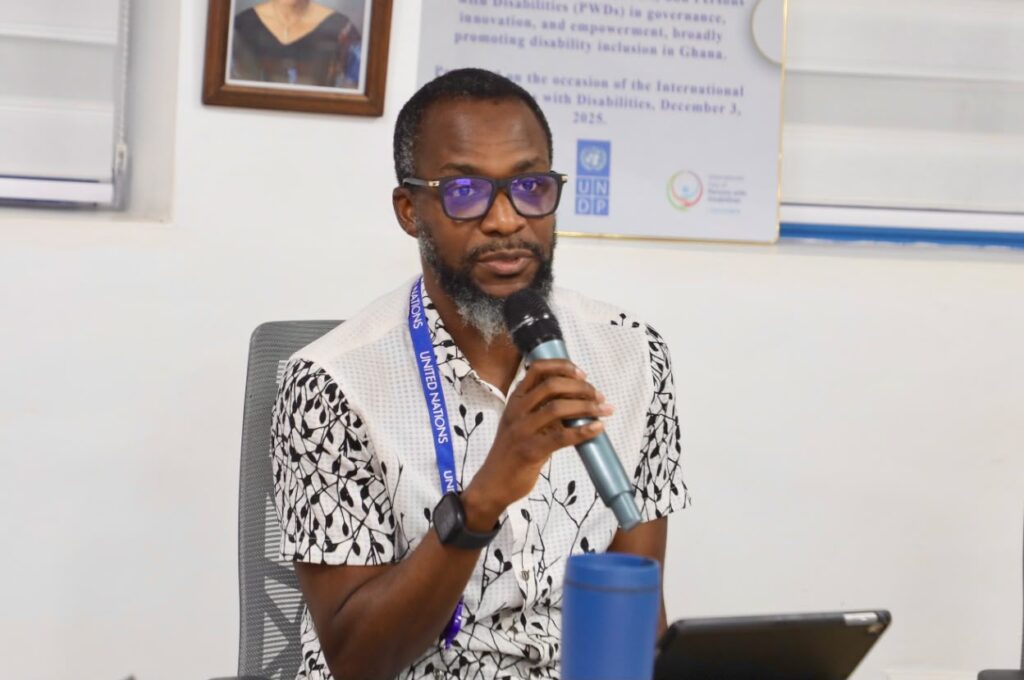
Dr Saeed said it was important to develop strategic and targeted approaches such as the Gender Strategy, to chart the way to ensure female participation and representation in the practice.
He said the draft Gender Equality Strategy sought to create practical pathways for attracting more women into RAC training, supporting women-led enterprises, promoting gender-responsive policies, and creating workplaces where both women and men could thrive.
He stated that as a development partner, UNDP, through its global and local network of technical expertise, financial support, strategic convening and enabling power, had supported the government to chart a path towards achieving sustainable cooling.
Mr Joseph Amankwa Baffoe, the Programmes Coordinator of the National Ozone Unit, EPA, said Ghana’s Institutional Strengthening, Hydrochlorofluorocarbon Phase-out Management Plan (HPMP) and Kigali Implementation Plan initiatives had made considerable progress.
Mr Amankwa said the shift to energy-efficient cooling must be inclusive.
“Bridging this gender gap is not only a matter of fairness; it is essential to national development, to achieve the Sustainable Development Goal 5 (SDG) on Gender Equality, and to realise the full potential of our climate action ambitions under the Goal 13,” he stated.
Mr Amankwa said hence, UNDP and EPA, through the National Ozone Unit, engaged a consultant to undertake a comprehensive gender analysis and develop a draft Gender Equality Strategy, to guide the mainstreaming of gender considerations into the Sustainable Cooling implementation efforts.
The draft Strategy sets out five interconnected pillars: awareness creation, education, workplace reform, leadership and entrepreneurship, and institutional sustainability.
He said they were supported by a clear phased five-year implementation plan with measurable targets.
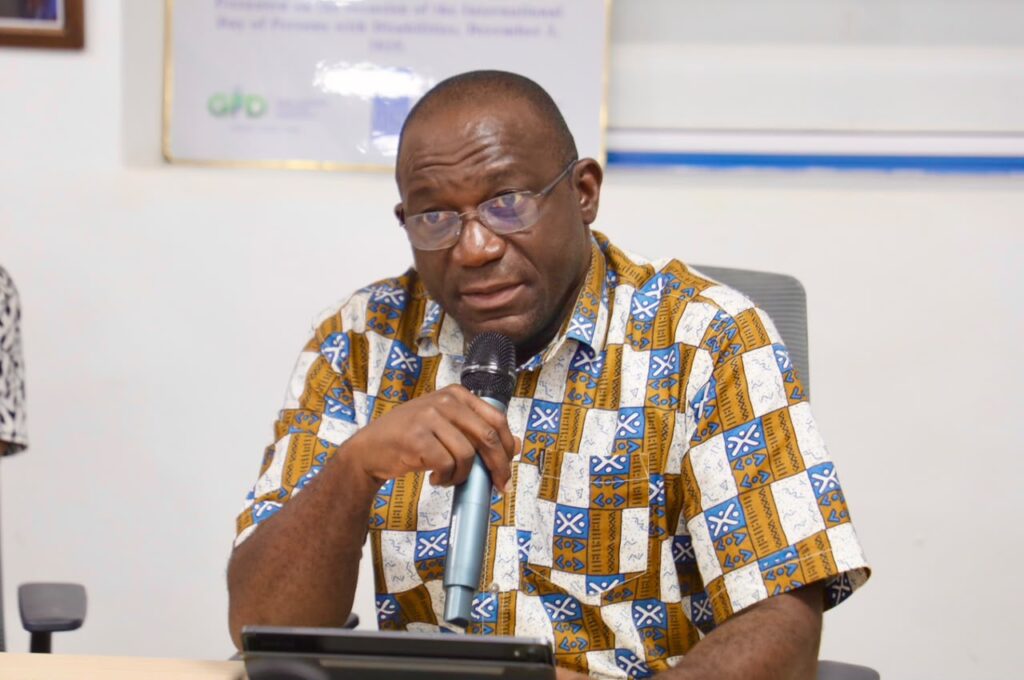
Ms Jennifer Asuako, the Programme Analyst for Gender and Human Rights, UNDP, said as part of awareness creation, parents must be engaged on the benefits of the RAC sector.
She noted that as parents were more likely to decide on courses of study for their children, it would be important for them to understand the sector.
Mr Solomon Quaye, the President, National Refrigeration Workshop Owners Association of Ghana (NARWOA), called on young women to utilise every opportunity to be trained in the RAC sector.
He said the Association were committed to supporting females in the sector for them to thrive.
GNA
Edited by Christabel Addo
By Priscilla Oye Ofori
Email: [email protected]