By Solomon Gumah, GNA
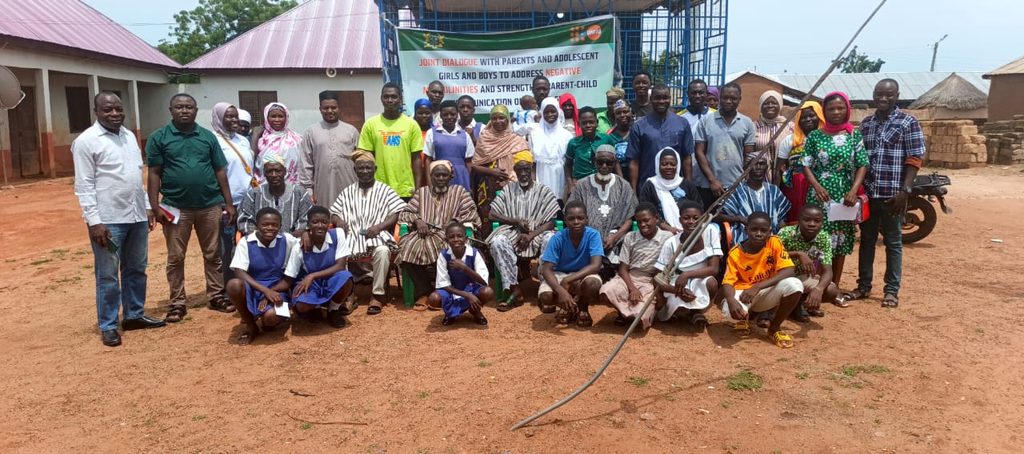
Tinguri (NE/R), Sept. 15, GNA –Some parents and adolescents in the North East Region have been sensitised on positive masculinity, gender equality, gender-based violence (GBV) and Sexual and Reproductive Health and Rights (SRHR) to promote safer and more supportive family environments.
Thes series of dialogues were held separately at Tinguri in the West Mamprusi Municipality, Chereponi, Bunkprugu and Yunyoo in the region, and facilitated by the Department of Gender and the Ghana Health Service with support by the United Nations Population Fund.
The dialogues provided opportunity for participants to discuss gender roles, harmful cultural practices, adolescent health, and ways of preventing teenage pregnancy, child marriage, and GBV.
Madam Bushira Alhassan, Northern Regional Director, Department of Gender, who facilitated the session on positive masculinity, gender equality and GBV during the dialogues, explained that positive masculinity involved promoting healthy attitudes and behaviours among boys and men including recognising that expressing emotions or showing vulnerability did not make a man weak.
She highlighted the importance of sharing household roles and responsibilities among family members saying domestic work should not be regarded as the sole responsibility of women and girls.
She sensitized participants on forced, early and child marriage and its negative consequences for adolescent girls, families and society including its potential effects on girls’ health, education, and future opportunities.
Madam Alhassan said both fathers and mothers had important responsibilities in guiding, protecting, and counselling their children and providing them with a safe and supportive environment.
She encouraged parents to use family, community, and social gatherings as opportunities to educate others about positive masculinity, gender equality, GBV, and harmful cultural practices.
Madam Rabiatu Zakari, a Midwife at the North East Regional Health Directorate, who spoke on adolescent development and SRHR, underscored need for parents to create an environment where adolescents could freely discuss issues concerning their bodies, menstruation, sexuality and reproductive health without fear or embarrassment.
She said the region faced serious challenges with teenage pregnancy and unsafe abortion, cautioning that an increase in teenage pregnancy could result in a corresponding increase in unsafe abortion and its associated health risks.
She indicated that abstinence from sexual intercourse remained the best way for adolescents to prevent unintended pregnancy.
Madam Zakari advised adolescents, who were sexually active, to seek accurate SRHR information and use appropriate contraceptive methods to prevent unintended pregnancies stressing the importance of responsible choices and access to reproductive health services.
She cautioned that repeated unintended pregnancies coupled with inadequate reproductive health information and support could expose adolescent girls to serious health and social consequences, including unsafe abortion.
Some of the participants said the training had helped them understand the need to distribute household roles and responsibilities more equally among family members thereby reducing the workload burden on women and girls.
The adolescents, in their contributions, during the dialogue identified poverty, inadequate financial support from parents and broken homes as some of the factors contributing to teenage pregnancy, child marriage and other forms of GBV.
They expressed concern about situations where parents depended heavily on adolescent girls for financial and material support, saying such pressures could expose young people to risky circumstances.
They also raised concerns about children being sent by their parents to purchase cigarettes and other substances saying such practices could give them the impression that smoking and substance use were acceptable behaviours.
Participants called for introduction and enforcement of community bylaws to address GBV and harmful cultural practices
GNA
Edited by Albert Futukpor/Linda Asante Agyei
Writer’s Email: [email protected]